


Castor Farming
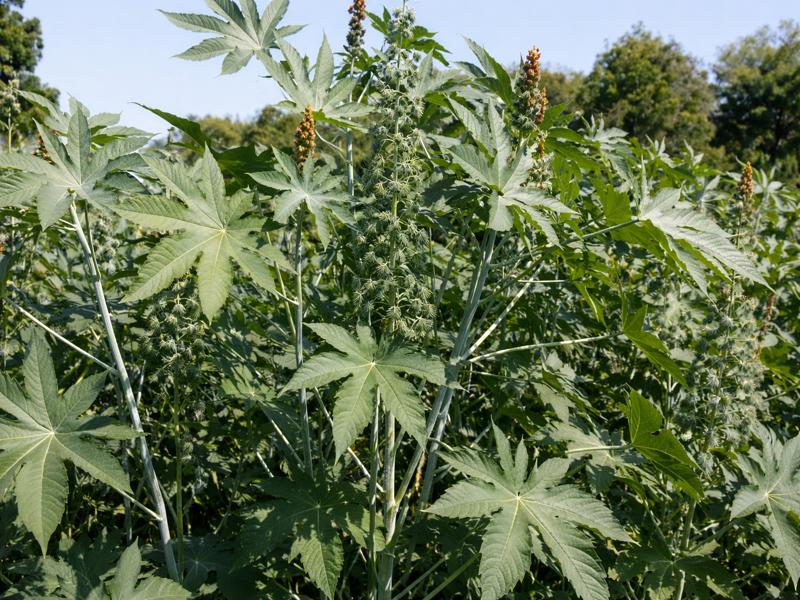
Castor Cultivation | Arandi Ki Kheti
Castor cultivation is one of the most profitable, low-risk, and farmer-friendly oilseed farming options in India. It is especially suitable for farmers who have limited irrigation facilities or are looking for an alternative crop during the Kharif season. Castor oil has high demand in industrial, medicinal, and export markets, making this crop a strong source of stable income.
This blog on Castor Cultivation | Arandi Ki Kheti is written in simple, practical English, keeping Indian farmers in mind. All information is explained per acre, so farmers can easily plan their cultivation. The content is based on authentic agricultural guidance and government-supported knowledge sources.
1. Importance of Castor Cultivation
Castor is an important commercial oilseed crop in India. The oil extracted from castor seeds has unique properties, making it valuable across multiple industries.
1.1 Major Uses of Castor Oil
- Industrial Uses
Paint manufacturing
Polymers and plastics
Nylon and rubber chemicals
Hydraulic fluids
Engineering materials - Medicinal Uses
Ayurvedic medicines
Relief from constipation and stomach problems
Baby massage oil
Skin and hair care products - Agricultural Uses
Castor cake, obtained after oil extraction, is used as organic manure
2. Status of Castor Farming in India
India ranks first in the world in castor production.
The country contributes nearly 87 percent of global castor oil exports.
Major castor-producing states include
- Gujarat
- Rajasthan
- Andhra Pradesh
Gujarat alone contributes more than 80 percent of India’s total castor production.
3. Climate and Soil Requirements
3.1 Suitable Climate
- Warm and humid climate is ideal
- Temperature range of 20 to 30 degrees Celsius
- Frost and extreme cold can damage the crop
3.2 Suitable Soil
- Loamy soil
- Sandy loam soil
- Light sandy soil
- Proper drainage is very important
- Soil pH between 6 and 7 is best
4. Land Preparation
Proper land preparation plays a key role in good yield.
4.1 Field Preparation Steps
- One deep ploughing
- Two to three shallow ploughings
- Apply 8 to 10 tons of well-decomposed farmyard manure per acre
- Level the field properly after pre irrigation
5. Improved Varieties and Hybrids
5.1 For Rainfed and Low Irrigation Areas
- DCH 177
5.2 For Irrigated and High Management Areas
- GCH 7
- DCH 177
- DCH 519
Special Advantage
DCH 177 shows better tolerance against whitefly and frost.
6. Best Time for Sowing
6.1 Kharif Season
- From the end of June to mid July
- Complete sowing by the end of July
Late sowing may reduce yield due to cold stress during later stages.
7. Seed Rate and Sowing Method (Per Acre)
7.1 Seed Requirement
- Open pollinated varieties
3 to 4 kg per acre - Hybrid varieties
1.5 to 2 kg per acre
7.2 Spacing
- Row to row distance of 4 to 5 feet
- Plant to plant distance of 2 to 3 feet
7.3 Sowing Depth
- Maintain seed depth of 2 to 3 inches
8. Seed Treatment
Seed treatment protects the crop from seed borne diseases.
8.1 Chemical Treatment
- Thiram or Captan
3 grams per kg of seed - Bavistin
2 grams per kg of seed
8.2 Simple Farmer Practice
- Soaking seeds in water for 12 to 24 hours before sowing improves germination
9. Nutrient and Fertilizer Management (Per Acre)
9.1 Organic Manure
- Farmyard manure 8 to 10 tons
9.2 Chemical Fertilizers
- Nitrogen 35 to 40 kg
- Phosphorus 20 kg
- Potash 15 kg
- Sulphur 8 to 10 kg
Always apply fertilizers after soil testing for better results.
10. Irrigation Management
Castor has deep roots, so it does not need frequent watering.
10.1 Critical Irrigation Stages
- 50 to 60 days after sowing
- 80 to 95 days after sowing
10.2 Total Irrigations
- Rainfed areas need 3 to 4 irrigations
- Irrigated areas may require 6 to 8 irrigations
During summer, irrigate every 15 to 20 days.
During winter, irrigate every 25 to 30 days.
11. Weed Management
11.1 Manual Control
- First weeding after 4 weeks
- Second weeding after 7 weeks
11.2 Chemical Control
- Apply Pendimethalin 800 ml per acre after sowing
12. Intercropping in Castor Farming
Intercropping helps farmers earn extra income in the initial months.
12.1 Suitable Intercrops
- Green gram
- Cluster bean
- Groundnut
- Sesame
- Cotton
- Pigeon pea
- Tomato
- Chilli
- Coriander
- Radish
- Carrot
13. Pest and Disease Management
13.1 Major Pests
- Stem borer
- Whitefly
13.2 Control Measures
- Remove and destroy infected plants
- Use recommended pesticides only when necessary
14. Harvesting of Castor Crop
14.1 Right Stage for Harvest
- Capsules turn yellow
- About one fourth of the fruits dry
14.2 Harvesting Schedule
- First harvest after 90 to 120 days
- Total 4 to 6 pickings
- Final harvest during late April or early May
15. Yield per Acre
15.1 Rainfed Conditions
- 6 to 12 quintals per acre
15.2 Irrigated Conditions
- 12 to 16 quintals per acre
16. Market Price and Profit
16.1 Average Market Price
- 5400 to 7200 rupees per quintal
16.2 Reasons for Good Profit
- Low cultivation cost
- Less water requirement
- Income from oil and organic cake
- Strong domestic and export demand
17. Frequently Asked Questions (FAQs)
17.1 Which season is best for castor cultivation
Castor is mainly grown during the Kharif season.
17.2 What is the cost of castor farming per acre
The average cost ranges between 12000 to 18000 rupees per acre.
17.3 When is the first harvest ready
The first harvest is ready within 90 to 120 days after sowing.
17.4 Can castor be grown with limited water
Yes, castor performs well even under low water conditions.
17.5 Which variety gives the best yield
DCH 177 and GCH 7 are popular high yielding varieties.
17.6 Is organic castor cultivation possible
Yes, castor can be grown using organic manure and bio inputs.
17.7 Where can castor seeds or oil be sold
In local mandis, oil mills, and export trading companies.
17.8 What is the use of castor cake
It is used as organic fertilizer in agriculture.
17.9 Is castor farming risky
No, it is considered a low risk and stable crop.
17.10 How much profit can farmers earn per acre
Farmers can earn 30000 to 60000 rupees per acre depending on yield and market price.
18. Conclusion
Castor cultivation is a strong income opportunity for Indian farmers, especially in areas with limited water resources. With proper seed selection, timely sowing, balanced nutrition, and scientific management, farmers can achieve excellent yields and profits.
This crop not only supports farmers economically but also contributes to India’s global leadership in castor oil production. By adopting improved practices and reliable information, farmers can move towards sustainable and self-reliant agriculture.
For more detailed guidance, farmers are encouraged to refer to trusted government resources such as hi.vikaspedia.in, HP Agriculture Department, Indian Institute of Horticultural Research, and the Krishi Vigyan Kendra Portal.
Smart farming today ensures a secure future tomorrow. Choose castor cultivation with confidence.
👉 Click here to read complete and detailed information about other oilseed crops cultivation.