


Sandalwood Farming: Earn Crores with Low Investment
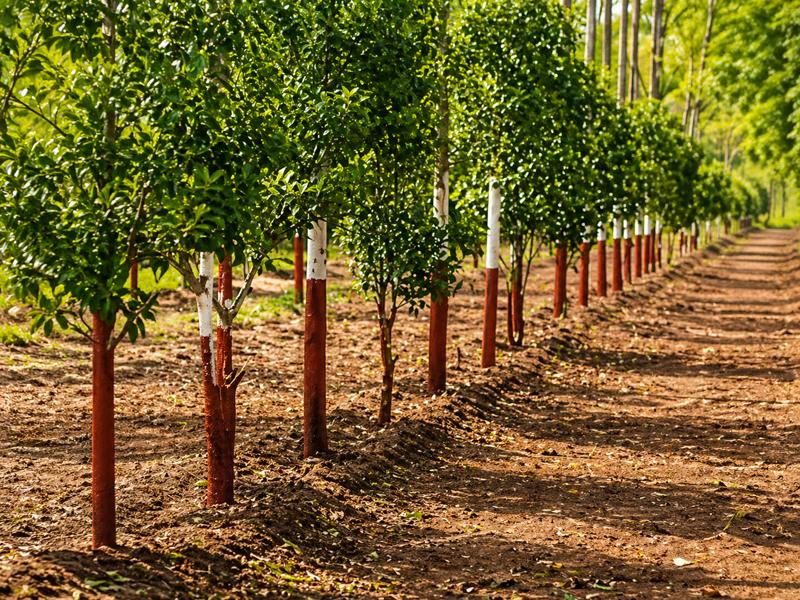
🌿 Sandalwood Farming: Earn Crores with Low Investment
Sandalwood farming has now become a golden opportunity for farmers, from which crores of rupees can be earned in the long term. It is a medicinal, fragrant, and highly valuable tree whose demand is not only in India but also very high in the international market.
In traditional farming like wheat, paddy, sugarcane, etc., where cost is increasing and profit is decreasing, sandalwood farming is proving to be a game changer for farmers. With the right technique and patience, farmers can earn from ₹1.5 crore to ₹2 crore from one acre of land.
This farming is also special because after investing once, a stable asset is created for many years, and during the middle period, additional income can also be earned through intercropping.
1. 🌱 Crop Introduction
Sandalwood is a valuable tree, which is known for its fragrant wood and oil.
Main Features
- It is a semi-parasitic plant
- It needs a host plant to grow
- Its wood and oil both are very expensive
- It becomes fully ready in 12 to 15 years
Basic Income Calculation
- Income per tree: ₹3 lakh to ₹6 lakh
- Number of trees per acre: 400 to 600
- Total potential income: ₹1.5 crore to ₹2 crore
2. 💊 Health Benefits and Uses
Main Uses
- In Ayurvedic medicines
- In perfumes and aroma therapy
- In पूजा and religious activities
- In cosmetics and skin care
Health Benefits
- Gives coolness and glow to skin
- Controls blood pressure
- Increases mental peace and memory
- Helps in hair growth
3. 🔬 Scientific Classification
- Kingdom: Plantae
- Family: Santalaceae
- Genus: Santalum
- Species: Santalum album
4. 🌦️ Climate & Temperature
For sandalwood farming to earn crores with low investment, selecting the right climate is very important.
Suitable Climate
- Tropical and sub-tropical climate is best
- Areas with mild cold and moderate heat are suitable
Temperature Range
- Minimum temperature: 12°C
- Maximum temperature: 35°C
- Ideal temperature: 20°C to 32°C
Rainfall
- 500 mm to 1500 mm annual rainfall is sufficient
- Waterlogging should not happen at all
👉 In North India also, due to new techniques, its farming is now becoming successful
5. 🌾 Soil Requirement
The success of sandalwood farming depends on soil.
Suitable Soil
- Loamy and sandy loam soil is best
- It is also possible in light gravelly soil
pH Level
- Ideal pH: 6.5 to 7.5
Soil Features
- Good drainage should be there
- Organic matter should be sufficient
Soil Improvement
- 8 to 10 tons of cow dung manure per acre
- Use of vermicompost
- Prevent waterlogging in the field
6. 🌱 Seed & Varieties
For sandalwood farming to earn crores with low investment, selecting the right variety and plant is the most important step.
Main Varieties
White Sandalwood (Santalum album)
- Most in-demand variety
- Both oil and wood are expensive
- Used in perfume, Ayurveda and export
Red Sandalwood (Pterocarpus santalinus)
- Wood color is red
- Medicinal and decorative use
- High price in market
Improved Clones and Plants
- Improved clones developed for North India are available
- Choose fast-growing and high oil-yield plants
- Tissue culture plants are a better option
Tips for Plant Selection
- Take plants of 6 to 12 months old
- Plant height should be 1 to 2 feet
- Roots should be healthy and strong
- Take disease and pest-free plants
7. 🌾 Seed Rate
Number of Plants per Acre
- 400 to 600 sandalwood plants
Spacing Management
- 10 x 10 feet spacing
- 12 x 12 feet spacing for better growth
Host Plant Ratio
- 1 to 2 host plants with each sandalwood plant
Suitable Host Plants
- Neem
- Sitaphal
- Casuarina
- Arhar
👉 Without host plant, sandalwood growth becomes very slow
8. 🛒 Where to Buy Seeds or Plants
Reliable Sources
- State agriculture department nursery
- Agriculture university
- Certified private nursery
Keep in Mind While Buying
- Plant should be certified and tagged
- Should be disease-free and healthy
- Avoid fake plants
Price per Plant
- ₹150 to ₹400
9. 🚜 Land Preparation
Field Preparation
- Do deep ploughing 2 to 3 times
- Level the field
- Arrange proper drainage
Pit Preparation
- Pit size: 2 x 2 x 2 feet
- Mix 10 to 15 kg cow dung manure in pit
Cost per Acre
- ₹30,000 to ₹50,000
10. 🌱 Sowing Method
Planting Time
- August to March is most suitable
Planting Process
- Plant the sapling in the pit
- Plant host plant along with it
- Press the soil lightly
Special Tips
- Do irrigation immediately after planting
- Give shade for initial 1 month
11. 🌿 Fertilizer & Manure Management
Organic Manure
- 5 to 10 kg cow dung manure per plant
- Use of vermicompost
Chemical Fertilizer
- NPK in light quantity
- 1 to 2 times in a year
Suggestions
- Quality is better with organic farming
- Give fertilizer based on soil testing
12. 💧 Irrigation Schedule
Initial Stage
- Irrigation every 7 to 10 days for first 2 years
Later Stage
- 1 to 2 times in a month
Advanced Technique
- Drip irrigation is best
- Saves up to 40 percent water
13. 🌾 Weed Control
For sandalwood farming to earn crores with low investment, weed control is very important, because in the initial years weeds reduce the nutrition of plants.
Losses Due to Weeds
- Competition for nutrients
- Slow plant growth
- Risk of increase in pests and diseases
Methods of Control
1. Manual Control
- Do weeding 2 to 3 times
- First weeding after 30 days of planting
- Second weeding after 60 to 90 days
2. Mulching Technique
- Use dry leaves, straw or plastic mulch
- Helps in maintaining moisture
- Reduces weed growth
3. Organic Methods
- Use neem leaves
- Adopt cover cropping
👉 Weed control is most important in the first 2 years
14. 🐛 Pest & Disease Management
Sandalwood plants are generally strong, but if not managed properly, pests and diseases can cause damage.
Major Pests
- Termites
- Stem borer insects
- Leaf eating insects
Major Diseases
- Root rot disease
- Leaf spot disease
- Fungal diseases
Control Measures
1. Organic Control
- Spray neem oil every 15 to 20 days
- Use of Trichoderma
2. Chemical Control
- Use pesticides only when needed
- Take advice from agriculture expert
3. Prevention Measures
- Do not allow waterlogging
- Select healthy plants
- Do regular inspection
15. ⏳ Crop Duration
Sandalwood is a long duration crop, but its return is very high.
Growth Stages
0 to 2 Years
- Plant establishment and slow growth
3 to 8 Years
- Fast growth and root development
8 to 12 Years
- Heartwood formation starts
12 to 15 Years
- Full maturity
👉 Older the tree, higher the value
16. ✂️ Harvesting Method
Right Time of Harvesting
- After 12 to 15 years
- When heartwood is fully developed
Harvesting Process
- Uproot the tree along with roots
- Roots also have high oil content
- Separate the heartwood
Important Precautions
- Take permission from forest department
- Keep protection from theft
- Do harvesting with help of expert
17. 📊 Yield per Acre
Production Details
- 10 to 15 kg heartwood per tree
- 400 to 600 trees per acre
Total Production
- 5000 to 8000 kg wood
👉 Production can increase with good care
18. 💰 Market Price & Profit per Acre
The biggest reason for earning crores with low investment in sandalwood farming is its high market value.
Market Price
- ₹6000 to ₹30000 per kg (depends on quality)
Income per Tree
- ₹3 lakh to ₹6 lakh
Income per Acre
- ₹1.5 crore to ₹2 crore
Cost
- ₹8 to ₹10 lakh per acre
Additional Income
- Income every year from intercropping
- Earning from fruit plants
👉 ROI is very high and safe investment
19. 📦 Storage
Storage Methods
- Keep in dry and cool place
- Protect from moisture
- Keep wood above ground level
Safety Measures
- CCTV and boundary
- Secure warehouse
- Protection from theft is necessary
20. 🏛️ Government Schemes
Main Schemes
- National Horticulture Mission
- Subsidy from agriculture department
- State government plantation schemes
Training Facility
- Krishi Vigyan Kendra
- Training by research institutes
👉 Government is now promoting sandalwood farming
21. 📜 Is Government Approval Required
Important Rules
- Sandalwood farming is legal on private land
- Permission from forest department is required for harvesting
- Sale is allowed only through authorized agencies
Suggestions
- Take information from local forest department
- Keep all documents safe
22. ❓ FAQ | Important Questions and Answers
1. Is there risk in sandalwood farming
👉 Yes, but it can be reduced with security and proper management
2. Can every farmer do it
👉 Yes, proper knowledge and patience are required
3. Why host plant is necessary
👉 It provides nutrition to the plant
4. What is the cost
👉 ₹8 to ₹10 lakh per acre
5. How much time it takes
👉 12 to 15 years
6. How much water is needed
👉 Very less
7. Can intercropping be done
👉 Yes, for additional income
8. Is there risk of theft
👉 Yes, security is necessary
9. Where to get market
👉 Government agencies and export
10. Is this farming good for future
👉 Yes, very profitable and safe investment
23. 🧠 Additional Information
- Grow pomegranate, neem and pulse crops with sandalwood
- Security is the biggest factor
- It is a long-term investment
- Risk can be reduced with proper guidance
🏁 Conclusion
Sandalwood farming: Earn crores with low investment has now become the strongest and safest investment option for farmers in today’s time.
This farming requires patience, but its result is very big. If you follow the right technique, right plants, security and government rules, then in coming years you can earn crores.
👉 Start planning today and secure your future 🌱
👉 For more cash crop farming guides, keep exploring our website