


💧 Latest Irrigation Technology Articles
View All Articles →- Flood Irrigation: Types, Advantages, Disadvantages & Complete Guide

- Rainwater Harvesting for Farmers: Best Water Conservation Method
- Plant a Tree with Just One Liter of Water – No Irrigation for Life
- Micro Irrigation System
💧 Popular Irrigation Technologies
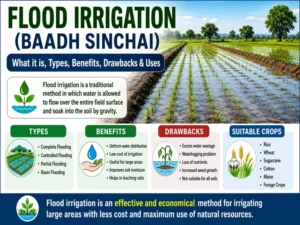
Flood Irrigation: Types, Advantages, Disadvantages & Complete Guide
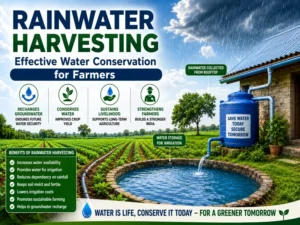
Rainwater Harvesting for Farmers: Best Water Conservation Method
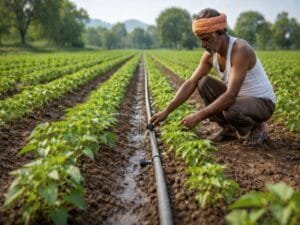
Low Cost Irrigation Method
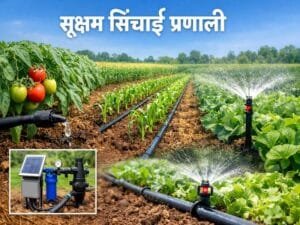
Micro Irrigation System
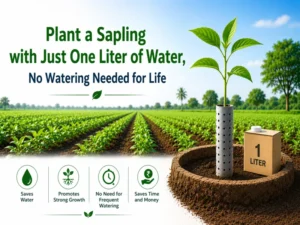
Plant a Tree with Just One Liter of Water – No Irrigation for Life
🚜 Farmer Support Tools
📋 Frequently Asked Questions (FAQs)
What is irrigation technology?+
Irrigation technology is a system that supplies water to crops at the right time and in the appropriate quantity, helping improve crop yield while conserving water.
What are the major types of irrigation?+
The main irrigation methods include surface irrigation, sprinkler irrigation, drip irrigation, fountain irrigation, and micro irrigation.
What is drip irrigation and what are its benefits?+
Drip irrigation delivers water directly to the roots of plants drop by drop. It can save 30–70% of water, reduce weed growth, and increase crop productivity.
Which crops are suitable for sprinkler irrigation?+
Sprinkler irrigation is suitable for wheat, fodder crops, vegetables, pulses, oilseeds, and crops grown in light or sandy soils.
What is micro irrigation?+
Micro irrigation includes techniques such as drip irrigation, micro sprinklers, and mini sprinklers, allowing efficient irrigation of larger areas with less water.
When should crops be irrigated?+
Irrigation should be scheduled based on the crop growth stage, soil moisture, and weather conditions. Watering in the early morning or evening is generally considered most beneficial.
What are the disadvantages of over-irrigation?+
Over-irrigation can cause waterlogging, root rot, nutrient leaching, increased disease incidence, and reduced crop yield.
How does insufficient irrigation affect crops?+
Lack of water can stunt plant growth, cause flowers and fruits to drop, and negatively affect both crop quality and yield.
What is the best source of water for irrigation?+
Canals, tube wells, wells, ponds, rainwater harvesting systems, and check dams are commonly used irrigation water sources. The choice depends on water availability and quality.
Which irrigation technology is best for water conservation?+
Drip irrigation and micro irrigation are considered the most effective water-saving technologies because they deliver water directly to plant roots and minimize wastage.
Can fertilizers be applied through irrigation?+
Yes, in drip irrigation systems, water-soluble fertilizers can be applied through fertigation, improving nutrient use efficiency.
What is smart irrigation?+
Smart irrigation uses sensors, weather data, and automated control systems to provide water based on crop needs, helping save both water and energy.
Why is the irrigation method different for sandy and heavy soils?+
Water drains quickly through sandy soil, so frequent irrigation with smaller amounts is recommended. Heavy soils retain water longer, making less frequent irrigation more suitable.
Does the government provide subsidies for drip and sprinkler irrigation?+
Yes, both the Central and State Governments provide subsidies to eligible farmers for drip and sprinkler irrigation systems under various schemes. Contact your local agriculture department for details.