


🫛 Latest Articles on Pulses Farming
View All Articles →- Horse Gram Farming

- Cowpea Farming
- How to Grow Rajma (Kidney Beans): Best Time, Varieties, Seed Rate & Yield
- Black Gram Farming: Complete Cultivation Guide for High Yield
🫛 Popular Pulses Farming Guide
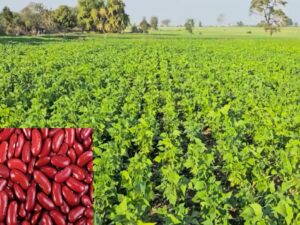
How to Grow Rajma (Kidney Beans): Best Time, Varieties, Seed Rate & Yield
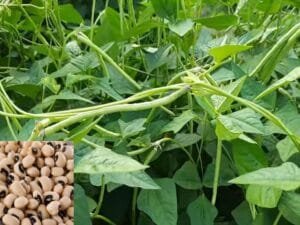
Cowpea Farming
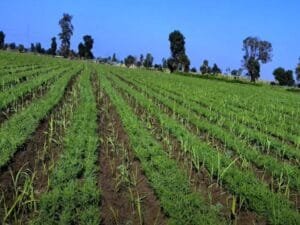
Chickpea Farming

Horse Gram Farming
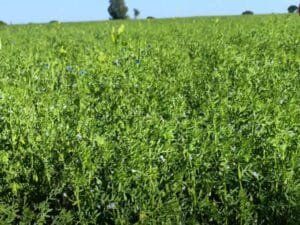
Lentil Farming

Black Gram Farming: Complete Cultivation Guide for High Yield

Moong Farming
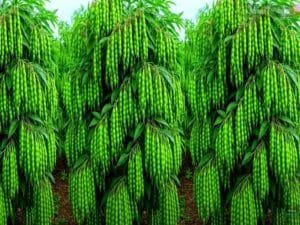
Pigeon Pea Farming
| 🫘 Pulse Crop | 🌱 Sowing | 🟢 Late Sowing | 🌾 Harvesting |
|---|---|---|---|
| 🫘 Chickpea (Gram) | October – November | December (Early) | March – April |
| 🫘 Pigeon Pea (Tur/Arhar) | June – July | August (Early) | December – January |
| 🫘 Mung Bean (Green Gram) | March – April / June – July | August (Early) | June / September – October |
| 🫘 Black Gram (Urad) | June – July | August (Early) | September – October |
| 🫘 Lentil | October – November | December (Early) | March – April |
| 🫘 Pea | October – November | December (Early) | February – March |
| 🫘 Cowpea | June – July | August | September – October |
| 🫘 Horse Gram | September – October | November | January – February |
| 🫘 Kidney Bean (Rajma) | October – November (Plains) / April – May (Hills) | December / June | February – March / September – October |
| 🫘 Field Bean | June – July / October | August / November | September – November / January – February |
| 🫘 Cluster Bean (Guar) | June – July | August | October – November |
| 🫘 Broad Bean (Fava Bean) | October – November | December (Early) | February – March |
🚜 Farmer Support Tools
🫘 Frequently Asked Questions (FAQs)
What are pulse crops?+
Pulse crops are crops whose seeds are consumed as lentils and legumes. They are rich in protein and also help improve soil fertility by fixing atmospheric nitrogen.
What are the major pulse crops grown in India?+
The major pulse crops grown in India include chickpea (gram), pigeon pea (tur/arhar), mung bean (green gram), black gram (urad), lentil, pea, kidney bean (rajma), cowpea, horse gram, cluster bean (guar), and field bean.
Which pulse crop is the most profitable?+
Profitability depends on market prices, yield, production costs, and local climate. Generally, chickpea, pigeon pea, mung bean, and black gram are considered among the most profitable pulse crops for farmers.
Which pulse crops can be grown with less water?+
Chickpea, lentil, horse gram, and pigeon pea are major pulse crops that can produce good yields under relatively low water conditions.
Which soil is best suited for pulse crops?+
Well-drained loam or sandy loam soil is considered the most suitable for most pulse crops. A soil pH between 6.0 and 7.5 is generally ideal.
Which fertilizers should be used for pulse crops?+
Based on soil test recommendations, balanced NPK fertilizers should be applied along with organic manure and Rhizobium culture to improve plant growth and increase yield.