


🌱 Latest Fodder Farming Information
View All Articles →- Green Oat Fodder: Cultivation, Sowing, Irrigation & Production

- Maize Fodder & Hydroponic Maize Fodder Guide
- Sorghum Green Fodder: High-Yield Nutritious Feed Guide
- Berseem Fodder
🌱 The Complete Guide to Fodder Farming
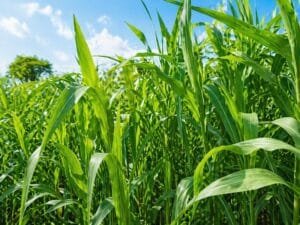
Sorghum Green Fodder: High-Yield Nutritious Feed Guide
Green Oat Fodder: Cultivation, Sowing, Irrigation & Production
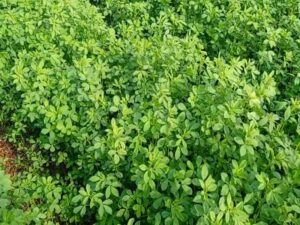
Berseem Fodder
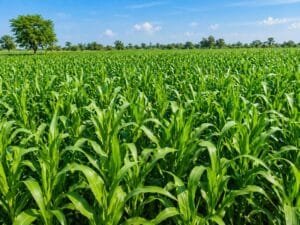
Maize Fodder & Hydroponic Maize Fodder Guide
🚜 Farmer Support Tools
📋 Frequently Asked Questions (FAQs)
What is fodder farming?+
The main purpose of fodder farming is to provide nutritious green or dry fodder for animals. It includes the cultivation of fodder crops such as oats, berseem, lucerne, maize, sorghum, pearl millet, cowpea and Napier grass. Good fodder farming provides balanced nutrition to animals, helps support milk production and helps maintain fodder availability throughout the year.
Which are the major fodder crops?+
The major fodder crops include oats, berseem, lucerne, maize, sorghum, pearl millet, cowpea, guar and Napier grass. Oats and berseem are major fodder crops during the Rabi season, while maize, sorghum, pearl millet and cowpea are cultivated during the Kharif season. The fodder crop should be selected according to the region, season, irrigation availability and the requirements of the animals.
Which crops are good for green fodder farming?+
Oats, berseem, maize, sorghum, pearl millet, cowpea and Napier grass are considered good fodder crops for green fodder. The crop should be selected based on the season, soil, water availability and number of animals. Growing different fodder crops in different seasons can help maintain green fodder availability throughout the year.
What is the right time for sowing fodder crops?+
The right sowing time for a fodder crop depends on the crop and season. During the Rabi season, crops such as oats and berseem are generally sown around October-November, while during the Kharif season, crops such as maize, sorghum, pearl millet and cowpea are sown according to rainfall and temperature conditions. It is better to decide the sowing time according to the advice of the local agriculture department or Krishi Vigyan Kendra.
What type of soil is suitable for fodder farming?+
For most fodder crops, fertile soil with good drainage and sufficient moisture is suitable. Different fodder crops may have different soil requirements. It is better to get the soil tested and manage nutrients and manure according to the soil test results. Crop selection should be done carefully in waterlogged or highly acidic or alkaline soils.
How should manure and fertilizers be used in fodder crops?+
Manure and fertilizers should be used in fodder crops based on soil testing and crop requirements. Well-decomposed farmyard manure or compost helps improve soil structure. The quantity of nutrients such as nitrogen, phosphorus and potash should be decided according to the crop and soil condition. Instead of using excessive nitrogen, it is better to follow balanced nutrient management.
How important is irrigation in fodder crops?+
Sufficient moisture is important for good growth and higher green fodder production. The irrigation requirement depends on the crop, soil, weather and rainfall. Irrigation should be done as required while avoiding waterlogging in the field. Lack of water, especially during germination, early growth and rapid growth stages, can affect fodder yield.
When should fodder crops be harvested?+
Harvesting fodder crops at the right stage is very important because it affects both fodder quantity and nutritional quality. Harvesting too early may result in lower yield, while harvesting too late can increase fibre in the stems and reduce digestibility. Therefore, fodder should be harvested according to the recommended harvesting stage of each crop.
Why is green fodder important for animals?+
Green fodder is an important part of the animal diet. It provides water, energy, protein, minerals and various nutrients. Providing good quality green fodder in a balanced amount helps maintain animal health and production. However, depending on the animal’s age, breed, production level and health, dry fodder and other balanced feed should also be provided along with green fodder.
How much fodder production can be obtained per acre?+
Fodder crop production cannot be fixed at one particular quantity per acre. It depends on the crop species and variety, soil fertility, irrigation, manure and fertilizer management, weather, sowing time and harvesting stage. Therefore, to estimate production accurately, the recommended cultivation practices for the particular fodder crop and local conditions should be considered.
What should be the seed rate for fodder crops?+
The seed rate for fodder crops varies according to the crop, variety, sowing method, seed quality and field conditions. Therefore, a single seed rate cannot be recommended for all fodder crops. Certified and good quality seeds should be used and sowing should be done according to the recommended seed rate for the particular crop.
How can weeds be controlled in fodder farming?+
Weeds compete with fodder crops for water, nutrients, light and space, which can affect fodder yield. Therefore, proper field preparation should be done and weed control should be given attention during the early growth stage. Depending on the requirement, manual weeding or the recommended weed control method for the particular crop can be followed. Since the crop is used as animal feed, any chemical should be used only according to the recommended dose and precautions.
How can fodder crops be protected from diseases and pests?+
To prevent diseases and pests in fodder crops, it is important to use healthy and certified seeds, maintain proper field sanitation, follow balanced fertilizer management, provide proper irrigation and monitor the crop regularly. If a disease or pest problem appears, it should first be correctly identified. Any pesticide or other agricultural chemical used on crops meant for animal feed should be applied according to the approved recommendation for the particular crop and the prescribed waiting period before harvesting should be followed.
How can fodder crops be dried and stored safely?+
To store fodder for a long time, good quality fodder should be harvested at the proper stage and dried in a clean and well-ventilated place. If the moisture content remains high in dry fodder, there is a risk of fungal growth and quality deterioration. After drying completely, the fodder should be stored in a place protected from rain and moisture. Keeping fodder away from direct contact with the ground helps maintain its quality.
What should be done to ensure green fodder availability throughout the year?+
To ensure green fodder availability throughout the year, fodder crops should be planned according to different seasons. Crops such as oats and berseem can be grown during the Rabi season, while maize, sorghum, pearl millet and cowpea can be grown during the Kharif season. Perennial fodder crops can also be included in the farming plan. Preserving surplus fodder by properly drying it or making silage can help during periods of fodder shortage.
Where can I get reliable information about fodder farming?+
Reliable information about fodder farming can be obtained from Krishi Vigyan Kendras (KVKs), the Indian Council of Agricultural Research (ICAR), state agricultural universities, agriculture departments and agricultural experts. Local recommendations related to crop varieties, sowing time, seed rate, manure and fertilizers, irrigation, disease and pest management and harvesting should be considered. Taking advice according to the soil and climate of the region can help achieve better fodder yield and quality.
Which fodder is best for milk-producing animals?+
There is no single fodder that is best for milk-producing animals. A proper combination of green fodder, dry fodder and balanced animal feed is more important. Nutritious fodder crops such as berseem, oats, maize, sorghum, cowpea and others can be used according to the region and season. The diet should be balanced according to the animal’s breed, milk production, age and health.
Which improved variety should be selected for fodder farming?+
An improved fodder variety should be selected according to the crop, climate of the region, soil, irrigation facilities and animal requirements. Preference should be given to certified varieties that provide good green fodder yield, better nutritional quality and adaptability to local conditions. While purchasing seeds, it is advisable to consider certified sources and recommendations from the concerned agricultural institution.