


🥔 Latest Articles on Spices Farming
View All Articles →- Nutmeg Farming: Complete Cultivation Guide for High Yield

- Asafoetida Farming in India: Complete Cultivation Guide
- How to Grow Bay Leaf Farming for High Profit at Low Cost
- Easy Ways to Earn Big from Fenugreek Farming
🥔 Popular Spices Farming Guide
Celery Farming

Nutmeg Farming: Complete Cultivation Guide for High Yield
Coriander Farming
Easy Ways to Earn Big from Fenugreek Farming

Turmeric Farming in India
Nigella Seeds Farming Guide: High Yield Tips
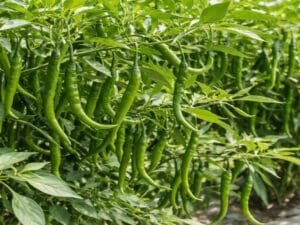
Green Chilies Farming Guide: Benefits, Cultivation & Tips
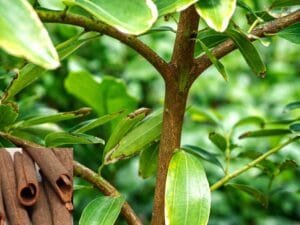
Cinnamon Farming

Ginger Farming
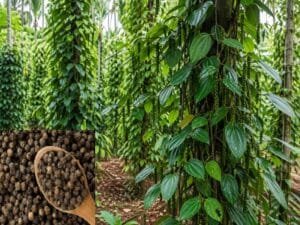
Black Pepper Farming in India: Complete Guide
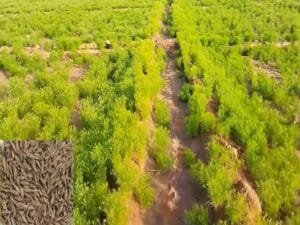
Cumin Farming
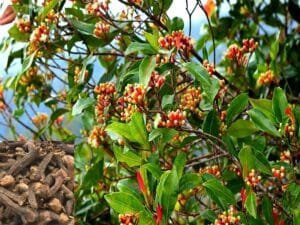
Clove Farming

Garlic Farming in India: Complete Cultivation Guide

Asafoetida Farming in India: Complete Cultivation Guide

How to Grow Bay Leaf Farming for High Profit at Low Cost
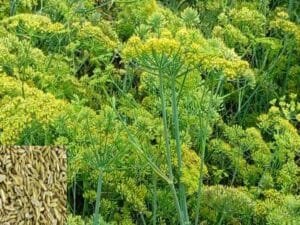
Fennel Farming

Saffron Farming: Complete Cultivation Guide for High Yield
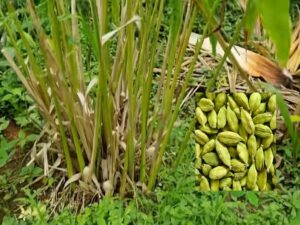
Cardamom Farming
| 🪴 Spice Crops | 🌱 Planting / Sowing | 🟢 Late Planting | 🍇 Harvest / Yield |
|---|---|---|---|
| 🌰 Nutmeg | June – August | September | After 7–8 years (June – August) |
| 🟡 Asafoetida (Hing) | October – November | December | After 4–5 years (April – June) |
| 🍃 Bay Leaf | June – August | September | After 3–5 years (Leaf harvesting throughout the year) |
| 🌱 Fenugreek | October – November | December | After 90–110 days (January – March) |
| ⚫ Nigella (Black Cumin) | October – November | December | After 120–140 days (February – March) |
| 🌿 Black Pepper | May – June | July | After 3–4 years (December – March) |
| 🌶️ Chili Pepper | June – July / January – February | August | After 75–120 days (October – February) |
| 🌸 Clove | June – August | September | After 6–8 years (December – February) |
| 🪵 Cinnamon | June – July | August | After 2–3 years (November – February) |
| 🌿 Carom (Ajwain) | October – November | December | After 140–160 days (February – April) |
| 💜 Saffron | August – September | October | October – November (Flowers), July – August (Corms) |
| 🌾 Fennel | October – November | December | After 140–170 days (March – April) |
| 🌿 Coriander | October – November | December | After 90–120 days (February – March) |
| 🌾 Cumin | November – December | January | After 100–120 days (March – April) |
| 🌱 Cardamom | June – July | August | After 2–3 years (October – February) |
| 🫚 Ginger | April – June | July | After 7–9 months (December – February) |
| 🟡 Turmeric | April – June | July | After 7–9 months (January – March) |
| 🧄 Garlic | October – November | December | After 120–150 days (March – April) |
🚜 Farmer Support Tools
🧂 Frequently Asked Questions (FAQs)
What are spice crops?+
Spice crops are agricultural crops grown to enhance the flavor, aroma, and medicinal value of food. Major spice crops cultivated in India include turmeric, ginger, coriander, cumin, cardamom, black pepper, clove, cinnamon, fenugreek, fennel, chili, garlic, asafoetida (hing), nutmeg, bay leaf, carom (ajwain), nigella (black cumin), and saffron.
Which is the most profitable spice crop in India?+
The most profitable spice crop depends on the region, climate, and market prices. Generally, high-value spices such as saffron, cardamom, black pepper, clove, nutmeg, cinnamon, and asafoetida offer higher returns, while turmeric, ginger, coriander, and cumin are also widely cultivated for good profits.
Which soil is best for spice crops?+
Most spice crops grow best in well-drained loamy or sandy loam soils. The ideal soil pH is generally between 6.0 and 7.5. Conducting a soil test before planting and applying organic manure can significantly improve crop yield.
What is the best time to sow spice crops?+
The sowing season varies depending on the spice crop. Coriander, cumin, fenugreek, fennel, and carom are mainly sown during October–November, while turmeric and ginger are planted from April–June. Black pepper, cardamom, clove, and nutmeg are generally planted during the monsoon season.
Which spice crop matures the fastest?+
Spice crops such as coriander, fenugreek, and chili mature relatively quickly. Coriander is ready in about 90–120 days, fenugreek in 90–110 days, chili in 75–120 days, while turmeric and ginger take around 7–9 months to mature.
How can farmers achieve higher yield and profit from spice crops?+
To achieve higher yields, use certified seeds or quality planting material, apply fertilizers based on soil test recommendations, irrigate on time, increase the use of organic manure, and adopt Integrated Pest Management (IPM). Modern farming practices and effective market planning can further improve profitability in spice cultivation.