


Tobacco Farming Guide: Cultivation, Care & Higher Yield
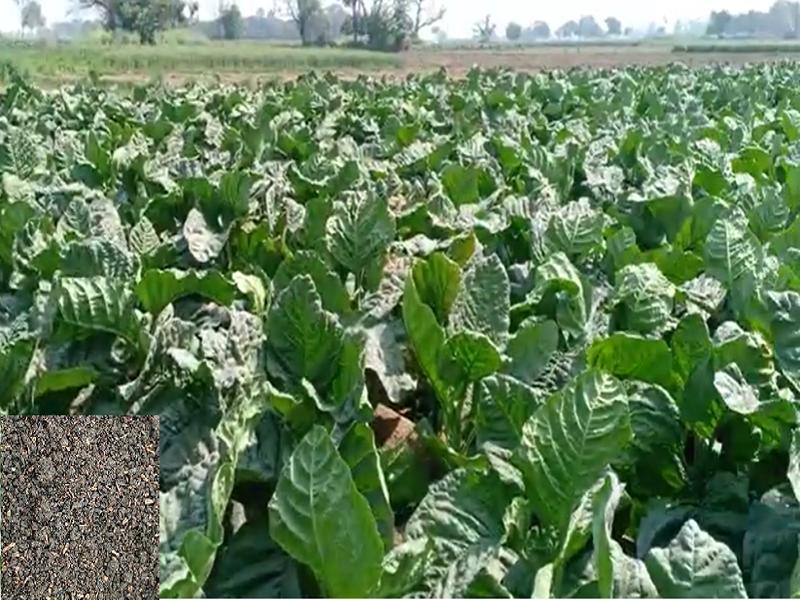
Tobacco Farming in India | Tobacco Ki Kheti
Tobacco farming is one of the major cash crops in India and supports the livelihood of millions of farmers. It contributes significantly to the rural economy and provides raw material for industries such as bidi, cigarettes, hookah, chewing tobacco, snuff, medicines, and industrial products.
When farmers follow scientific practices, proper management, and correct techniques, tobacco cultivation can generate good profit per acre. This blog explains Tobacco Ki Kheti in a clear, step by step, and farmer friendly manner.
Summary and Importance of License for Tobacco Farming
The Government of India has taken an important decision to support tobacco farmers. Earlier, farmers were required to renew their registration certificate or license every year. This process involved time, cost, and repeated visits to government offices.
Now, the tobacco farming license will remain valid for three years instead of one year. This decision benefits nearly 83,500 tobacco farmers across India. Farmers from Andhra Pradesh, Karnataka, Telangana, and Odisha will benefit the most, covering around 91,000 curing barns.
This change reduces administrative pressure and allows farmers to focus more on crop quality and production.
Why License Is Required for Tobacco Farming
- Tobacco is a regulated cash crop, and farming without a license is not legally permitted.
- A license allows farmers to sell their produce only to authorized buyers and markets.
- Cultivation remains within government approved area and production limits.
- Licensed farmers get access to government schemes, training, and technical guidance.
- Proper monitoring helps control illegal cultivation and black marketing.
1. Importance of Tobacco Farming
- Tobacco is one of the major cash crops of India.
- It provides higher income within a short time period.
- The crop is less affected by pests and diseases compared to many other crops.
- It generates employment opportunities in rural areas.
- Bidi, cigarette, and pharmaceutical industries depend heavily on tobacco production.
2. Major Tobacco Varieties in India
2.1 Nicotiana tabacum
- Used mainly for cigarettes, cigars, and filter tobacco.
- Leaves are large in size and superior in quality.
- Suitable for export markets due to high demand.
2.2 Nicotiana rustica
- Used for chewing tobacco, hookah, and snuff.
- Leaves are smaller but contain high nicotine content.
- Has strong demand in domestic markets.
3. Types of Tobacco and Major Growing Regions
- FCV Tobacco
- Andhra Pradesh
- Karnataka
- Bidi Tobacco
- Gujarat
- Karnataka
- Cigar and Cheroot Tobacco
- Tamil Nadu
- West Bengal
- Hookah Tobacco
- Assam
- West Bengal
- Bihar
- Uttar Pradesh
- Chewing and Snuff Tobacco
- Tamil Nadu
- West Bengal
- Bihar
- Assam
- Uttar Pradesh
4. Climate Required for Tobacco Farming
- Ideal temperature ranges between 20 to 27 degree Celsius.
- Uniform rainfall of around 500 mm per acre is suitable.
- Rainfall above 1200 mm is harmful for the crop.
- Rain during maturity reduces leaf quality.
- Tobacco performs best as a winter season crop.
5. Suitable Soil for Tobacco Cultivation
5.1 Cigar and Binder Tobacco
- Sandy to sandy loam red soil is suitable.
- Proper drainage is essential.
- Requires higher levels of nitrogen, potash, calcium, and magnesium.
5.2 Bidi Tobacco
- Light to medium loam old alluvial soil is preferred.
- Waterlogging should be strictly avoided.
5.3 Chewing Tobacco
- Red soil is suitable.
- Soil should have excellent drainage.
6. Seed and Nursery Management
6.1 Seed Characteristics
- Seeds are very small and oval shaped.
- One gram contains approximately 11,000 to 12,000 seeds.
- Nicotiana rustica seeds are comparatively larger.
6.2 Seed Rate per Acre
- About 4 to 5 grams of seed is sufficient per acre.
- Seeds should not be sown directly in the main field.
6.3 Nursery Preparation Method
- Select sandy or sandy loam soil.
- Choose a raised area.
- Ensure proper drainage.
- Control pests and diseases at the right time.
- Change nursery location every year to avoid soil borne diseases.
7. Field Preparation
- Plough the field 3 to 4 times.
- Make the soil loose and fine.
- Apply 8 to 10 trolleys of well decomposed farmyard manure per acre.
- Level the field properly after the final ploughing.
8. Transplanting Method
- Use healthy seedlings of 40 to 45 days.
- Maintain plant to plant distance of about 1 foot.
- Maintain row to row distance of 2 to 2.5 feet.
- Perform transplanting during evening hours.
9. Fertilizer Management per Acre
- Farmyard manure: 8 to 10 trolleys.
- Nitrogen: 40 to 50 kg.
- Phosphorus: 20 to 25 kg.
- Potash: 20 to 25 kg.
- Apply nitrogen in two split doses.
10. Irrigation Management
- Provide light irrigation immediately after transplanting.
- Irrigate at an interval of 7 to 10 days.
- Stop irrigation before crop maturity.
- Excess water reduces leaf quality.
11. Weeding and Inter-cultivation
- Carry out weeding 2 to 3 times.
- Remove weeds manually.
- Keep the field clean to avoid nutrient loss.
12. Topping and Suckering
12.1 Topping
- Remove flowers as soon as they appear.
- This helps leaves become larger and thicker.
12.2 Suckering
- Remove side shoots regularly.
- Ensures nutrients are directed towards leaves.
13. Harvesting of Tobacco
- Crop becomes ready in 90 to 120 days.
- Harvest when leaves turn yellow.
- Follow stage wise harvesting for better quality.
14. Drying and Storage Process
- Dry harvested leaves under shade.
- Pack dried leaves in gunny bags.
- Store in dry conditions to avoid moisture damage.
15. Income from Tobacco Farming per Acre
- Average yield ranges from 600 to 800 kg per acre.
- Income depends on market price and leaf quality.
- Net profit of ₹50,000 or more per acre is possible.
16. Risks in Tobacco Farming
- Excess rainfall.
- Fluctuation in market prices.
- Incorrect harvesting time.
17. Government Support and Information
- Farmers can get updated guidance from government agriculture websites.
- Krishi Vigyan Kendras provide technical training.
- State Agriculture Departments offer advisory support.
18. Useful Farming Articles
- How to Do Pearl Farming: Complete Beginner Guide
- Sandalwood Farming: Earn Crores with Low Investment
- Malabar Neem Farming Guide: High Profit Tree Crop
- Poplar Farming: A Complete Guide to Commercial Tree Cultivation and Profits
- Tobacco Farming
- Coffee Farming In India
- Tea Farming In India
- Rubber Farming
- Jute Farming
- Sugarcane Farming in India
- Cotton Farming in India
- Pests and Diseases in Crops: Definition, Significance & Impact
- Pest and Disease Control
- How to Do Organic Farming
- Benefits of Natural Farming
- How to Make Organic Vermicompost from Cow Dung in 30 Days
- Vermicompost Preparation Method
- Benefits of Drip Irrigation
- Pest and Disease Management
- Soil Health Card Scheme
19. Frequently Asked Questions (FAQs) on Tobacco Farming
Q1. What is the best time for tobacco farming?
The ideal sowing season depends on the region and the type of tobacco grown. In most parts of India, tobacco is cultivated as a winter crop. Nursery preparation generally starts from September to October, while seedlings are transplanted from October to November. Farmers should always follow the recommended planting schedule for their local climate to achieve better growth, leaf quality, and higher yields.
Q2. What is the average cost of tobacco farming per acre?
The total cultivation cost of tobacco farming usually ranges from ₹25,000 to ₹35,000 per acre, depending on factors such as land preparation, seed or seedlings, fertilizers, irrigation, labor, plant protection, and curing expenses. Costs may be higher in areas with intensive irrigation or labor shortages.
Q3. Which Indian states are most profitable for tobacco farming?
Gujarat and Andhra Pradesh are among India’s leading tobacco-producing states and often provide the highest returns due to favorable climate, established markets, and better infrastructure for curing and marketing. Other states such as Karnataka, Telangana, Uttar Pradesh, and Bihar also cultivate tobacco successfully depending on local conditions.
Q4. Which soil is best for tobacco cultivation?
Tobacco grows best in well-drained light to medium loam or sandy loam soils with good organic matter. A soil pH between 5.5 and 7.5 is generally considered suitable. Waterlogged, heavy clay soils should be avoided because they can reduce leaf quality and increase the risk of diseases.
Q5. How many days are required to prepare tobacco seedlings in a nursery?
Under proper nursery management, tobacco seedlings are usually ready for transplanting in 40 to 45 days. Healthy seedlings should have 4 to 6 well-developed leaves, a strong stem, and a healthy root system before being transplanted into the main field.
Q6. How long does the tobacco crop take to mature?
Most tobacco varieties mature within 90 to 120 days after transplanting, although the exact duration depends on the variety, climate, and management practices. Timely harvesting ensures better leaf color, texture, and market value.
Q7. What happens if too much water is applied to the tobacco crop?
Excess irrigation can negatively affect tobacco quality. Overwatering often results in thin, pale leaves, poor leaf texture, nutrient leaching, increased disease incidence, and reduced curing quality. Maintaining proper soil moisture without waterlogging is essential for producing premium-quality tobacco leaves.
Q8. Why is topping important in tobacco farming?
Topping is the practice of removing the flower buds from tobacco plants. This helps the plant redirect its nutrients and energy toward leaf development instead of seed production, resulting in larger, thicker, and higher-quality leaves. Proper topping can significantly improve both yield and market value.
Q9. Can small farmers successfully grow tobacco?
Yes. Small and marginal farmers can profitably cultivate tobacco on 1 to 2 acres with proper planning, quality seedlings, balanced fertilization, timely irrigation, and effective pest and disease management. Success largely depends on good crop management and access to reliable markets.
Q10. Is government support available for tobacco farmers?
Yes. Depending on the state and central government programs, tobacco farmers may receive support such as quality seed distribution, farmer training, technical guidance, soil testing, irrigation assistance, and extension services. Farmers should contact their local agriculture department or extension office to learn about the latest schemes and eligibility requirements.
Conclusion
Tobacco farming in India remains a strong income generating option when practiced scientifically. By selecting the right variety, following correct timing, managing inputs properly, and complying with licensing rules, farmers can earn good profit per acre.
Farmers should adopt modern agricultural practices, stay connected with agriculture departments, and continuously update their knowledge. Hard work combined with the right guidance always leads to sustainable success and self reliance.
Need any assistance? 👉 Feel free to contact us
Sources for More Information
👉 Krishi Vigyan Kendra Portal
👉 Indian Institute of Horticultural Research