


Cowpea Farming
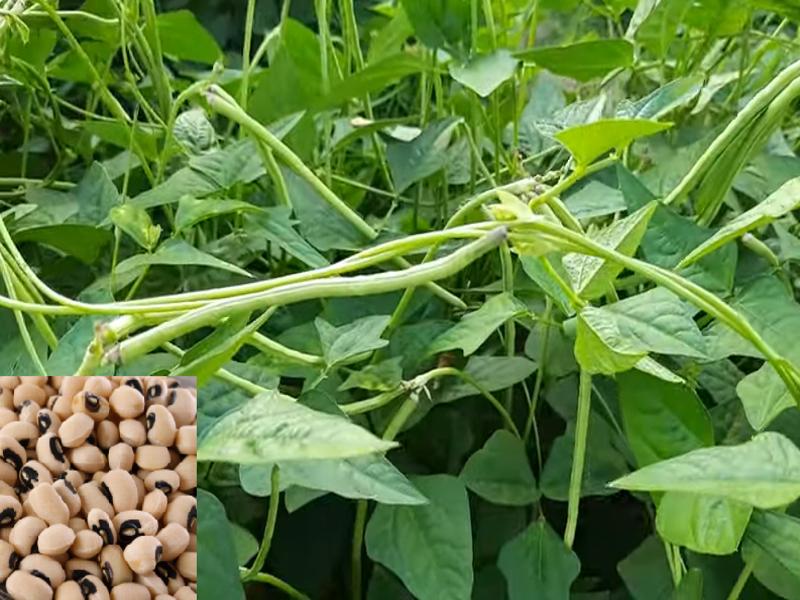
Cowpea Cultivation | Lobiya Ki Kheti
India is an agriculture based country, and pulses play a very important role in farmers’ income, soil health, and human nutrition. Cowpea, popularly known as Lobiya, is one such multi purpose pulse crop that is cultivated for green pods, dry grains, green manure, and fodder. This crop is especially beneficial for small and marginal farmers because it requires low investment and gives good returns in a short period.
Cowpea is grown across almost all parts of India. It is known for its drought tolerance, quick maturity, and ability to improve soil fertility. Cowpea is rich in protein, calcium, and iron, making it highly valuable for human consumption as well as animal feed.
This blog provides complete, practical, and farmer friendly information about cowpea cultivation in simple English so that farmers can easily understand and successfully grow this crop.
1. Introduction and Importance of Cowpea Cultivation
Cowpea is an annual legume crop of African origin. In India, it is cultivated under different names in different regions.
Major benefits of cowpea cultivation
• Grows well even under low water conditions
• Suppresses weeds during the early growth stage
• Helps retain soil moisture
• Fixes atmospheric nitrogen and improves soil fertility
• Can be used as vegetable, pulse, and fodder
2. Climate Requirement
2.1 Suitable Temperature
• Sowing temperature: 22 to 28 degrees Celsius
• Crop growth temperature: 22 to 35 degrees Celsius
• Harvesting temperature: 30 to 35 degrees Celsius
2.2 Rainfall Requirement
• Annual rainfall requirement: 750 to 1100 mm
• Excess waterlogging should be avoided
3. Soil Requirement
Cowpea can be grown in many types of soils, but best results are obtained in:
• Well drained sandy loam soil
• Soil pH range: 6.0 to 7.5
• Avoid heavy and waterlogged soils
4. Improved Varieties and Yield
4.1 Recommended Varieties for Punjab and North India
4.1.1 Cowpea 88
• Suitable for both green fodder and seed production
• Long pods with bold chocolate brown seeds
• Resistant to yellow mosaic virus and anthracnose disease
• Average seed yield: 4.4 quintals per acre
• Green fodder yield: 100 quintals per acre
4.1.2 CL 367
• Produces more pods
• Small creamy white seeds
• Resistant to yellow mosaic virus and anthracnose
• Average seed yield: 4.9 quintals per acre
• Green fodder yield: 108 quintals per acre
4.2 Varieties from Other States
4.2.1 Kashi Kanchan
• Short duration and spreading variety
• Suitable for summer and rainy seasons
• Soft and dark green pods
• Pod yield: 60 to 70 quintals per acre
4.2.2 Pusa Su Komal
• Average pod yield: 40 quintals per acre
4.2.3 Kashi Unnati
• Soft light green pods
• Ready for harvesting in 40 to 45 days
• Pod yield: 50 to 60 quintals per acre
5. Land Preparation
• Plough the field twice thoroughly
• Level the field after each ploughing
• Soil should be loose, fine, and well leveled
6. Sowing Details
6.1 Sowing Time
• Best sowing period: March to mid July
6.2 Spacing
• Row to row distance: 30 cm
• Plant to plant distance: 15 cm
6.3 Sowing Depth
• Sow seeds at a depth of 3 to 4 cm
6.4 Method of Sowing
• Sowing can be done using seed drill or pora method
7. Seed Management
7.1 Seed Rate per Acre
• For green fodder using Cowpea 88: 20 to 25 kg seed per acre
• For CL 367 variety: 12 kg seed per acre
7.2 Seed Treatment
• Treat seeds with Emisan 6 at 2.5 grams per kg of seed
• Or Carbendazim 50 percent WP at 2 grams per kg of seed
Seed treatment protects the crop from seed borne diseases and improves germination.
8. Nutrient and Fertilizer Management
8.1 Fertilizer Requirement per Acre
• Nitrogen: 7.5 kg
• Phosphorus: 22 kg
• Potash: Apply only if deficiency is observed
8.2 Fertilizer Sources
• Urea: 17 kg per acre
• Single Super Phosphate: 140 kg per acre
Phosphorus plays a very important role in root development, nodule formation, and overall plant growth in cowpea.
9. Weed Management
• Within 24 hours after sowing
• Apply Pendimethalin 750 ml per acre
• Mix in 200 liters of water and spray uniformly
10. Irrigation Management
• Cowpea requires 4 to 5 irrigations
• In summer season, irrigate at 15 day intervals
• During monsoon season, irrigate only if required
11. Pest Management
11.1 Aphids and Jassids
• Spray Malathion 50 EC at 200 ml per acre
• Mix in 80 to 100 liters of water
11.2 Hairy Caterpillar
• Severe infestation occurs from August to November
• Sow one row of sesame around the cowpea field as a trap crop
12. Disease Management
12.1 Seed Rot and Seedling Mortality
• Caused by seed borne fungi
• Infected seeds become shriveled and discolored
• Seedlings die before or just after germination
Control Measures
• Treat seeds with Emisan 6 at 2.5 grams per kg
• Or Bavistin 50 WP at 2 grams per kg of seed
13. Harvesting
• Crop becomes ready for harvest in 55 to 65 days
• Harvest depending on purpose such as fodder, green pods, or seed
14. Additional Benefits of Cowpea Cultivation
• Improves soil fertility naturally
• Enhances yield of next crop
• Low cost and high profit crop
• Supports livestock farming through quality fodder
15. Frequently Asked Questions (FAQs)
15.1 In which season should cowpea be grown
Cowpea can be grown in both summer and kharif seasons.
15.2 How much income can be earned from one acre of cowpea
With proper management, farmers can earn good profit per acre.
15.3 Can cowpea be grown with less water
Yes, cowpea is a drought tolerant crop.
15.4 Which fertilizer is most important for cowpea
Phosphorus is the most important nutrient.
15.5 How many days does cowpea take to mature
Cowpea matures in 55 to 65 days.
15.6 Is cowpea suitable for fodder purpose
Yes, it produces excellent quality green fodder.
15.7 Why is seed treatment necessary
To protect seeds from diseases and ensure better germination.
15.8 Which soil is best for cowpea cultivation
Well drained sandy loam soil is best.
15.9 Is cowpea suitable for organic farming
Yes, cowpea is highly suitable for organic farming systems.
15.10 Where can farmers get more information on cowpea cultivation
For more details, farmers can visit: pulses farming
Conclusion
Cowpea cultivation is a golden opportunity for Indian farmers. It is a short duration crop that requires low investment, less water, and gives good returns. By selecting the right variety, following proper sowing time, and adopting scientific cultivation practices, farmers can significantly increase their income.
With hard work, correct knowledge, and timely management, success in cowpea farming is assured.
Happy farming and best wishes to all farmers.
अधिक जानकारी के लिए स्रोत
👉 Comprehensive Pulses Farming Guide
👉 Indian Institute of Horticultural Research
👉 Krishi Vigyan Kendra Portal