


🌸 Latest Articles on Flower Farming
View All Articles →- Tuberose Farming in India: Complete Guide for High Yield

- Lotus Farming in India: Complete Guide & Profit
- Hibiscus Farming
- Rose Farming
🌸 Popular Flower Farming Guide
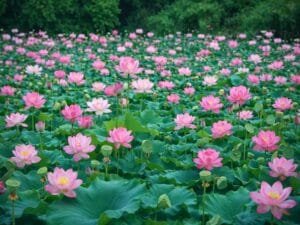
Lotus Farming in India: Complete Guide & Profit

Marigold Farming
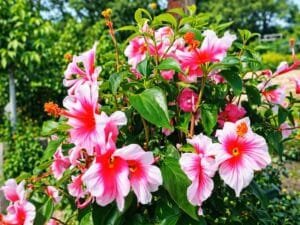
Hibiscus Farming

Rose Farming
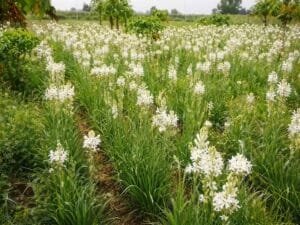
Tuberose Farming in India: Complete Guide for High Yield
| 🌸 Flower | 🌱 Sowing / Planting | 🟢 Late Planting | 💐 Flower Harvesting |
|---|---|---|---|
| 🌹 Rose | July – September / February | October | After 4–6 months (Throughout the year) |
| 🌼 Marigold | June – July / January – February | August | After 60–80 days (September – April) |
| 🌺 Hibiscus | June – August | September | After 5–6 months (Throughout the year) |
| 🌸 Jasmine | June – August | September | After 6–8 months (March – October) |
| 🌼 Chrysanthemum | June – July | August | November – January |
| 🌺 Tuberose | February – April | May | After 90–120 days (June – November) |
| 🌸 Gladiolus | September – November | December | After 90–110 days (December – February) |
| 🌷 Lily | October – November | December | After 90–120 days (January – March) |
| 🌹 Gerbera | September – November | December | After 3–4 months (Throughout the year) |
| 🌸 Carnation | September – October | November | After 4–5 months (January – May) |
| 🌻 Sunflower (Cut Flower) | January – March / June – July | August | After 70–90 days |
| 🌺 Lotus | February – June | July | After 90–120 days (June – October) |
| 🌸 Orchid | June – August | September | After 12–18 months (Throughout the year) |
| 🌼 Aster | July – August | September | After 90–120 days (October – January) |
| 🌸 Zinnia | February – March / June – July | August | After 60–75 days |
| 🌺 Cosmos | February – March / July | August | After 60–75 days |
| 🌼 Calendula | September – November | December | After 70–90 days (December – February) |
| 🌸 Petunia | September – October | November | After 80–100 days (December – March) |
| 🌺 Dahlia | September – October | November | After 90–120 days (December – March) |
| 🌼 Sweet Pea | October – November | December | After 90–110 days (January – March) |
🚜 Farmer Support Tools
🌸 Frequently Asked Questions (FAQs)
What is flower farming?+
Flower farming (Floriculture) is the agricultural practice of cultivating flowers for ornamental, religious, medicinal, and commercial purposes. In India, rose, marigold, tuberose, chrysanthemum, jasmine, gerbera, gladiolus, lily, carnation, and orchid are among the major commercial flower crops.
Which flower farming is the most profitable in India?+
The profitability of flower farming depends on the region, climate, and market demand. Generally, commercial cultivation of roses, gerbera, carnation, orchid, tuberose, marigold, and gladiolus provides good returns to farmers. These flowers remain in demand throughout the year for festivals, weddings, and the cut-flower market.
Which soil is best for flower cultivation?+
Well-drained loamy or sandy loam soil is considered ideal for most flower crops. The soil pH should generally be between 6.0 and 7.5. Conducting a soil test and applying sufficient farmyard manure or organic compost helps produce high-quality flowers.
What is the right time for sowing or planting flowers?+
The sowing or planting time varies depending on the flower crop. Marigold is generally planted during June–July and January–February, tuberose during February–April, chrysanthemum during June–July, while roses, jasmine, and other perennial flowers are usually planted during the monsoon season.
Which flowers are ready for harvest the fastest?+
Flowers such as marigold, zinnia, cosmos, and sunflower are generally ready for harvest within 60–90 days. Crops like tuberose, gladiolus, and lily usually begin flowering within 90–120 days, while perennial plants such as roses and gerbera continue producing flowers for several years.
How can farmers achieve higher production and profit in flower farming?+
To maximize production, select certified seeds or planting material, apply fertilizers based on soil test recommendations, ensure regular irrigation and weed management, and follow Integrated Pest Management (IPM) practices. Using polyhouse or shade-net technology, drip irrigation, and selling cut flowers at the right time can significantly increase profits from flower farming.