

Types of Farming
🌾 Types of Farming: A Deep Dive into India’s Traditional and Modern Farming Methods
India is a land of diverse cultures, climates, and terrains—making it home to different types of farming practices. From lush Himalayan terraces to vast plains in Punjab and dry zones in Rajasthan, farmers in India have developed various agricultural techniques suited to their local conditions.
Understanding the types of farming in India is essential for students, agriculture professionals, aspiring farmers, and even travel bloggers exploring India’s rural heartlands. This guide will walk you through the most prevalent farming practices in the country, including subsistence farming, commercial farming, organic farming, mixed farming, and terrace farming.
Let’s explore each of these farming methods in detail.
🌱 1. Subsistence Farming – Farming for Survival
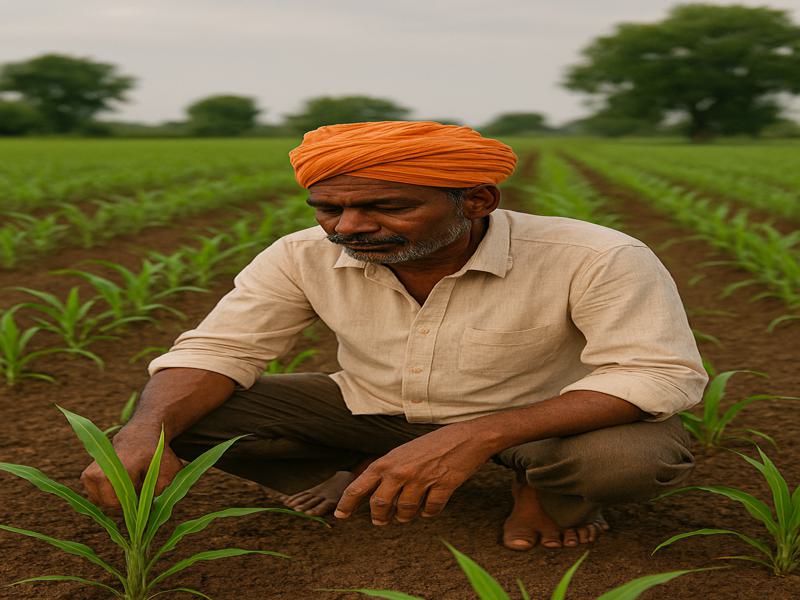
Subsistence farming is the oldest and most traditional form of agriculture in India. Here, the focus is not on profit but survival. Farmers grow crops mainly for their own family’s consumption.
🔍 Key Features:
- Small landholdings
- Use of traditional tools like sickles and ploughs
- Low use of fertilizers or pesticides
- Crops: rice, wheat, maize, pulses
📍 Where it’s practiced:
Primarily found in states like Uttar Pradesh, Bihar, and Madhya Pradesh, where rural populations rely heavily on agriculture for daily sustenance.
Why It Matters for Travelers:
When you visit rural villages, you often experience this type of farming. It gives insight into India’s grassroots lifestyle, making it a compelling story for your travel blog.
🔗 Learn more about subsistence farming practices from the Ministry of Agriculture
💼 2. Commercial Farming – Agriculture as a Business
Unlike subsistence farming, commercial farming is carried out for profit. Farmers grow crops in large quantities to sell in markets, both domestic and international.
🔍 Key Features:
- Large-scale production
- Use of modern machinery and irrigation
- High-yield varieties of seeds
- Heavy use of fertilizers and pesticides
- Crops: cotton, sugarcane, tea, coffee, oilseeds
📍 Where it’s practiced:
Commercial farming is prominent in states like Punjab, Haryana, Maharashtra, and Gujarat.
Why It Matters for Travel Bloggers:
You can highlight large tea plantations in Assam or coffee estates in Coorg—both excellent destinations to explore India’s commercial farming scene.
🌿 3. Organic Farming – Farming with Nature
Organic farming is gaining momentum in India, driven by the demand for chemical-free, healthy food. It avoids synthetic inputs and emphasizes sustainable, eco-friendly methods.
🔍 Key Features:
- No synthetic fertilizers or pesticides
- Use of compost, cow dung, and green manure
- Natural pest control methods
- Rotational cropping and biodiversity
📍 Where it’s practiced:
Organic farming is rapidly growing in states like Sikkim (India’s first fully organic state), Kerala, and Maharashtra.
Travel Tip:
Highlighting organic farms and farm stays in your travel blog can appeal to eco-conscious travelers looking for immersive rural experiences.
🌾 4. Mixed Farming – A Balanced Farming Model
Mixed farming involves both crop cultivation and livestock farming. This type of farming ensures a diversified income and better food security for farmers.
🔍 Key Features:
- Crops + animals on the same land
- Efficient use of resources
- Animal waste is used as manure
- Crops: grains, pulses + livestock: cattle, goats, poultry
📍 Where it’s practiced:
Common in Tamil Nadu, Karnataka, and parts of Rajasthan.
Why It’s a Great Story for Your Blog:
Mixed farming practices are ideal for portraying sustainable rural life. Interviews with farmers juggling crops and cattle can bring authenticity to your blog posts.
⛰️ 5. Terrace Farming – Farming on the Hills
Terrace farming is practiced in hilly areas where land is scarce and uneven. It involves carving flat steps (terraces) into the slopes to create arable land.
🔍 Key Features:
- Prevents soil erosion
- Uses rainwater efficiently
- Labor-intensive but effective
- Crops: rice, barley, vegetables, fruits
📍 Where it’s practiced:
Popular in Himachal Pradesh, Uttarakhand, Sikkim, and the North-Eastern states.
For Travel Bloggers:
Terraced landscapes make breathtaking backdrops for your travel photography and stories. Exploring these regions gives a beautiful glimpse into India’s mountainous agriculture.
🌵 6. Dry Farming – Farming with Low Water
Dry farming is practiced in areas where rainfall is very low.
🔍 Key Features:
- Crops grown with minimal water
- Limited irrigation facilities
- Drought-resistant crops
🌾 Crops: Millet, Sorghum, Gram
📍 Where it is practiced:
Rajasthan, Gujarat, Madhya Pradesh
👉 Advantage: Farming possible with less water
👉 Disadvantage: Yield may be low
💧 7. Irrigated Farming – Farming with Water Supply
In this type of farming, canals, tube wells, or other irrigation methods are used.
🔍 Key Features:
- Regular water supply
- Higher production
- Use of modern techniques
🌾 Crops: Wheat, Rice, Sugarcane
📍 Where it is practiced:
Punjab, Haryana, Uttar Pradesh
👉 Advantage: High productivity
👉 Disadvantage: Dependence on water
🌾 8. Intensive Farming – High Yield Farming
In this method, farmers try to produce more output from a small piece of land.
🔍 Key Features:
- High use of fertilizers and technology
- Repeated cultivation on the same land
- Requires more labor
🌾 Crops: Rice, Wheat, Vegetables
📍 Where it is practiced:
Uttar Pradesh, Bihar, West Bengal
👉 Advantage: High production
👉 Disadvantage: Soil quality may decrease
🌍 9. Extensive Farming – Large Scale Farming
This farming is done on large land areas with low input.
🔍 Key Features:
- Large land area
- Less labor and low cost
- Use of machinery
🌾 Crops: Wheat, Maize
📍 Where it is practiced:
Low population density areas
👉 Advantage: Low cost
👉 Disadvantage: Limited production
🔄 10. Shifting Cultivation – Traditional Tribal Farming
In this method, forests are cleared (often burned) and farming is done for a few years, then shifted to another place.
🔍 Key Features:
- Land is changed regularly
- Traditional method
- Depends on natural resources
🌾 Crops: Rice, Maize, Vegetables
📍 Where it is practiced:
Northeast India (Assam, Mizoram, Nagaland)
👉 Advantage: Natural method
👉 Disadvantage: Harmful to environment
🧭 Why Understanding Farming Matters for Travel Bloggers
Even if you’re not a farmer, as a travel content creator, knowing about the types of farming in India adds immense value to your storytelling. Here’s how:
- ✅ It allows you to explore rural India with a deeper perspective.
- ✅ You can promote sustainable tourism by visiting organic farms and local agricultural festivals.
- ✅ Farm stays, harvest seasons, and local produce markets become valuable content opportunities.
For instance, visiting a rice terrace in Uttarakhand, or spending a night in an organic farm stay in Kerala, can create unforgettable, niche content for your audience.
📌 Quick Summary Table
| Farming Type | Main Goal | Common States | Special Feature |
|---|---|---|---|
| Subsistence Farming | Family Survival | UP, Bihar, MP | Traditional tools, small plots |
| Commercial Farming | Profit | Punjab, Haryana, Gujarat | Large scale, market-oriented |
| Organic Farming | Sustainability | Sikkim, Kerala, Maharashtra | No chemicals, eco-friendly |
| Mixed Farming | Diversity | TN, Karnataka, Rajasthan | Crops + livestock combo |
| Terrace Farming | Land Optimization | HP, Uttarakhand, Sikkim | Steps on hills, erosion control |
👉 For more detailed information on basics of farming, click here