

🐛 Latest Crop Protection Guides
View All Articles →- How to Protect Sugarcane Crops from Diseases and Pests During Rainy Season

- Blight Disease in Paddy: Identification, Symptoms & Control
- Tomato Blight Medicine: Complete Treatment for Early & Late Blight
- Pests and Diseases in Crops: Definition, Significance & Impact
🐛 Popular Crop Protection
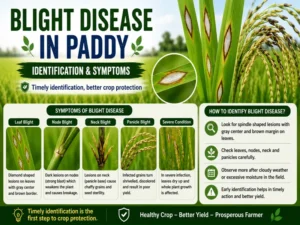
Blight Disease in Paddy: Identification, Symptoms & Control
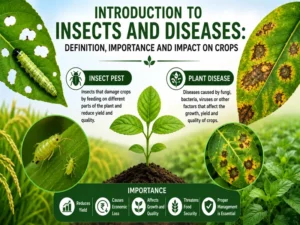
Pests and Diseases in Crops: Definition, Significance & Impact
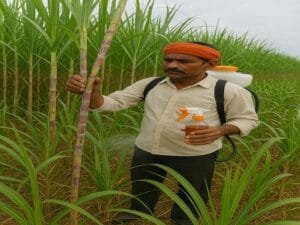
Pest and Disease Control
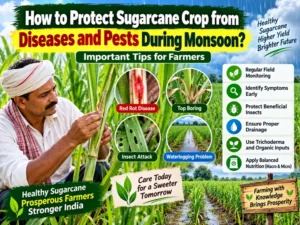
How to Protect Sugarcane Crops from Diseases and Pests During Rainy Season
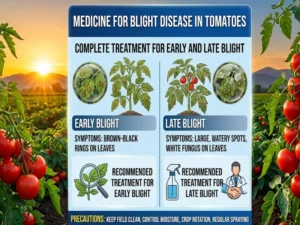
Tomato Blight Medicine: Complete Treatment for Early & Late Blight
🚜 Farmer Support Tools
📋 Frequently Asked Questions (FAQs)
What is Pest and Disease Management?+
Pest and disease management is the process of identifying, preventing, and controlling insects, diseases, and other harmful organisms that damage crops using scientific, biological, and chemical methods.
How can pests and diseases be identified in crops?+
Symptoms such as leaf spots, yellowing, stem rot, flower or fruit drop, and curled leaves may indicate pest or disease infestation. Proper identification is essential before applying control measures.
What is Integrated Pest Management (IPM)?+
Integrated Pest Management (IPM) is an approach that combines biological, mechanical, cultural, and, when necessary, chemical methods to effectively manage pests and diseases.
What are the main causes of crop diseases?+
Excess moisture, infected seeds, imbalanced fertilizer use, poor drainage, changing weather conditions, and inadequate field sanitation are the primary causes of crop diseases.
How can crops be protected from pests?+
Timely sowing, crop rotation, regular field monitoring, pheromone traps, yellow sticky traps, and proper use of recommended insecticides are effective pest management practices.
How can pests and diseases be managed organically?+
Organic management can be achieved by using neem-based products, Trichoderma, Beauveria bassiana, Verticillium, bio-fungicides, and beneficial insects.
When should pesticides be sprayed?+
Pesticides should be sprayed during the early morning or late evening. Avoid spraying during intense sunlight, rainfall, or strong winds, and always follow the recommended dosage.
How can fungal diseases be prevented?+
Choose disease-resistant varieties, treat seeds before sowing, prevent waterlogging in the field, and use recommended fungicides whenever required.
Is it necessary to use pesticides for every insect?+
No. Not all insects are harmful. Chemical pesticides should only be applied when the Economic Threshold Level (ETL) is reached to avoid unnecessary costs and environmental damage.
How can the spread of crop diseases be prevented?+
Remove infected plants, maintain field hygiene, provide balanced nutrition, irrigate properly, and inspect crops regularly to prevent disease spread.
Why is seed treatment important?+
Seed treatment helps prevent seed-borne diseases, improves germination, and ensures healthy early plant growth.
What is the purpose of pheromone traps in crops?+
Pheromone traps help monitor pest populations and reduce their numbers, minimizing the need for chemical insecticides.
What is the difference between pesticides and fungicides?+
Pesticides are used to control harmful insects, while fungicides are used to prevent and treat fungal diseases in crops.
How can pesticides be used safely?+
Always use the recommended dosage, wear protective equipment, keep pesticides away from children and animals, and follow the required waiting period after spraying.
Where can I get reliable information on pest and disease management?+
Reliable information can be obtained from Krishi Vigyan Kendras (KVKs), agricultural universities, agriculture departments, ICAR institutes, and trusted agricultural experts.
Why is pest and disease management important?+
Effective pest and disease management improves crop quality and yield, reduces production costs, protects the environment, and increases farmers’ profitability.