


Coffee Farming In India
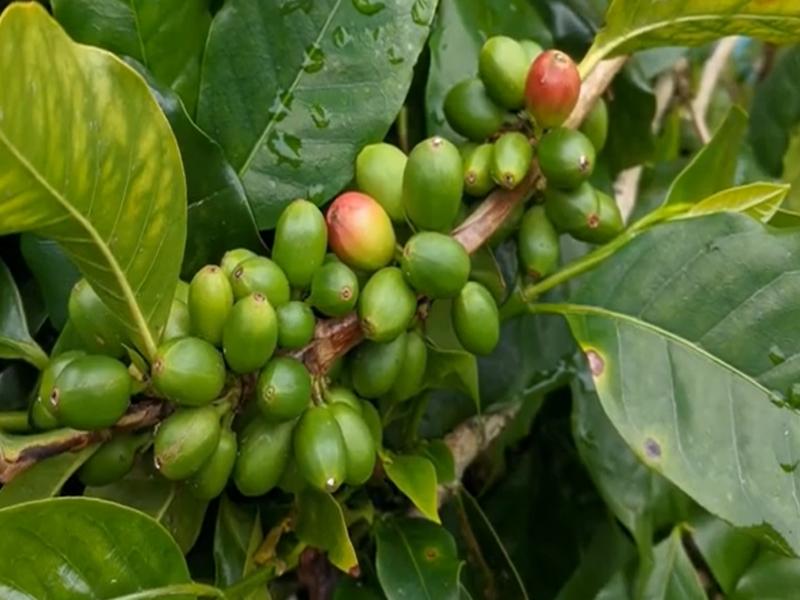
☕ Introduction: Why Coffee Farming Matters in India
Coffee is a valuable crop for many Indian farmers and rural communities. Traditionally grown in the Western Ghats-mainly in Karnataka, Kerala, and Tamil Nadu-coffee cultivation is expanding into Andhra Pradesh, Odisha and the North-East. Around 65–70% of Indian coffee is exported; the rest is consumed domestically. Indian coffees-especially Robusta for blending and Arabica for aroma-enjoy a good reputation internationally.
👨🌾 Coffee farming supports rural employment heavily:
➡️ More than six lakh people get direct employment
➡️ A similar number benefit indirectly
💡 If you manage the crop smartly, coffee can give stable income per acre for many years.
This guide keeps all figures and suggestions per acre, written in plain English and aimed at small and medium farmers.
🌿 Varieties Grown in India (Per-Acre Context)
🌸 Arabica (Coffea arabica)
✔️ Features: Mild, aromatic, higher market value
✔️ Best altitude: 300–1800 m
✔️ Temperature: 15–25°C
✔️ Per-acre yield: 350–500 kg of clean beans
📝 Notes:
Needs more care, more shade, and is more sensitive to pests and diseases (e.g., white stem borer, leaf rust). Best on larger, well-managed holdings.
🌳 Robusta (Coffea canephora)
✔️ Features: Stronger flavor, used in blends, hardy
✔️ Temperature: 20–30°C, more tolerant to heat and humidity
✔️ Per-acre yield: 600–900 kg of clean beans
📝 Notes:
Less sensitive to some diseases; suitable for small and large farms alike.
🌦️ Ideal Climate, Soil, and Conditions (Per Acre)
✔️ Rainfall: 1500–2500 mm annually (uniform distribution helps)
✔️ Temperature: Arabica 15–25°C; Robusta 20–30°C
✔️ Shade: 50–60% overhead shade is generally good
✔️ Soil: Deep, fertile, well-drained loamy soils
✔️ Soil pH: 5.0–6.5
✔️ Planting density: About 1200–1400 plants per acre
🌱 Nursery Practices (Per Acre Planning)
✔️ Seeds: Use seeds from authorized, healthy sources only. Avoid seeds from areas infested with berry borer.
✔️ Sowing: Sow seeds soon after purchase – seed viability is short.
✔️ Nursery mix: Use forest soil blended with well-rotted farmyard manure (FYM) and sand.
✔️ Seedlings required: For one acre, plan for 1200–1400 well-rooted seedlings.
💧 Soil and Water Conservation (Per Acre Measures)
Soil and moisture conservation is essential – especially on slopes.
⚠️ Problems
❌ Heavy erosion during monsoon on slopes
❌ Moisture stress in post-monsoon/dry months
✅ Per-acre solutions
✔️ Contour planting and terracing on moderate/steep slopes
✔️ Plant soil-binding grasses (Vetiver, Paspalum) across slopes at intervals
✔️ Dig staggered cradle pits or trenches across slopes to hold water
✔️ Mulch the base of young plants with dry leaves to conserve moisture
✔️ Grow green manures (Crotalaria, Tephrosia, cowpea, horsegram) in early years; sow in May–June and incorporate before flowering
🌿 Weed Control (Per Acre Guidelines)
👶 Young plant stage
✔️ Manual cover-digging, scuffling
✔️ Cover crops such as cowpea/horsegram
🌳 Established plantations
✔️ Integrated approach:
- Pre-monsoon herbicide spray
- Mid-monsoon slash weeding
- Post-monsoon herbicide spray
✔️ Rotate herbicides:
- Contact weedicides like Gramoxone
- Systemic options like Glyphosate or Roundup (use carefully and according to label)
🌳 Shade Management (Per Acre)
✔️ Avoid cutting valuable shade trees for short-term gain
✔️ Maintain a two-tier shade canopy:
- Fast-growing temporary trees (e.g., dadap)
- Permanent shade trees (Ficus, Albizia, jackfruit)
✔️ At higher altitudes, temporary shade may be removed once coffee is established
✔️ Regulate shade every year rather than every 3–4 years – this reduces shock to coffee bushes
✂️ Bush Management (Per Acre Care)
✔️ Light pruning after harvest to maintain plant framework
✔️ Handling, centering, and desuckering during June–July (and if needed Sept–Oct)
✔️ Rejuvenate disease-prone or off-type plants by top-working (grafting desirable varieties onto existing rootstock)
🧪 Nutrition Management (Per Acre Fertilizer & Soil Care)
✔️ pH: Maintain optimum pH using agricultural lime (80% calcium carbonate). November is a good time for liming
✔️ Soil testing: Do it at least every 2–3 years
✔️ Organic matter: Apply FYM/compost 5 tonnes/ha (2 tonnes/acre) once every two years
✔️ Fertilizer split: Apply recommended fertilizer dose in three splits:
- Post-blossom
- Pre-monsoon
- Post-monsoon
✔️ Use drip circle method where possible
🐛 Major Pests (Per Acre Monitoring & Control)
🪵 White Stem Borer (Xylotrechus quadripes)
Symptoms: Ridges on stems, yellowing, wilting
✔️ Monitor before flight periods (March, September)
✔️ Uproot and burn infested plants
✔️ Apply 10% lime solution on main stem
✔️ Install pheromone traps (25 traps/acre)
🐞 Coffee Berry Borer (Hypothenemus hampei)
Symptoms: Small pinhole on berry tip; internal damage
✔️ Timely, clean harvest
✔️ Remove off-season berries
✔️ Use broca traps (60 traps/acre)
✔️ Dry berries properly
🌿 Shot Hole Borer (Xylosandrus compactus)
✔️ Prune affected twigs 5–7.5 cm below hole
✔️ Remove and destroy infested suckers
✔️ Maintain thin shade and good drainage
🐜 Mealybugs (Planococcus spp.)
✔️ Control ants
✔️ Destroy ant nests
✔️ Spray quinalphos / fenitrothion
✔️ Use biological control (parasitoids/predators)
🟢 Green Scale (Coccus viridis)
✔️ Control ants
✔️ Spray insecticides as per label
🦠 Nematodes (Pratylenchus coffeae)
✔️ Solarize nursery soil
✔️ Uproot and burn affected plants
✔️ Use grafted plants
🦠 Major Diseases (Per Acre Management)
🍂 Coffee Leaf Rust
✔️ Maintain optimum shade
✔️ Spray 0.5% Bordeaux mixture
🖤 Black Rot
✔️ Maintain thin shade
✔️ Ensure drainage
✔️ Spray Bordeaux mixture
🌱 Root Diseases
✔️ Isolate affected plants
✔️ Uproot and burn
✔️ Use fungicides + Trichoderma
🌿 Die-back
✔️ Prune affected plants
✔️ Spray Bordeaux mixture
✔️ Maintain moisture
☕ Post-Harvest: Processing and Storage
✔️ Harvest only ripe cherries
✔️ Pulp same day
✔️ Use clean water
✔️ Dry on trays and yards
✔️ Moisture: 10–12%
✔️ Store in dry, ventilated place
🌿 Organic Coffee in India (Per Acre Opportunity)
✅ Advantages
✔️ Natural farming suitability
✔️ Premium price potential
⚠️ Challenges
✔️ Lower yield initially
✔️ Market access needed
✔️ Approach
✔️ Follow Coffee Board practices
✔️ Certification
✔️ Use compost & biocontrol
💰 Estimated Cost, Yield, and Income
💸 Cost (per acre)
₹60,000 – ₹75,000
📦 Yield
✔️ Arabica: 350–500 kg
✔️ Robusta: 600–900 kg
✔️ Organic: 250–400 kg
💵 Revenue
✔️ Arabica: ₹80,000–120,000
✔️ Robusta: ₹90,000–150,000
📈 With good management → 30–40% higher returns
❓ FAQs (Frequently Asked Questions)
📍 Where is coffee mainly grown in India?
Coffee is primarily grown in Karnataka, Kerala, and Tamil Nadu.
👉 Growing areas are also expanding to Andhra Pradesh, Odisha and the North-East.
💰 Which variety gives better income – Arabica or Robusta?
✔️ Arabica → Higher price (better quality & aroma)
✔️ Robusta → Higher yield & easier to grow
👉 Final choice depends on farm size, climate, and management level.
🌱 How many coffee plants per acre?
✔️ About 1200–1400 plants per acre
👉 Depends on spacing and planting system
📦 What yield can I expect per acre?
✔️ Arabica: 350–500 kg/acre
✔️ Robusta: 600–900 kg/acre
👉 Yield depends on care, climate, and pest control
💸 How much does it cost to establish one acre of coffee?
✔️ Around ₹60,000 – ₹75,000 per acre
👉 Cost varies by region and farming practices
🌳 How much shade is ideal for coffee?
✔️ Around 50–60% overhead shade
👉 Should be managed every year
🐛 Which are the main pests I should watch for?
⚠️ Key pests include:
✔️ White stem borer
✔️ Coffee berry borer
✔️ Shot hole borer
✔️ Mealybugs
✔️ Green scale
✔️ Nematodes
🍂 How do I prevent leaf rust?
✔️ Maintain optimum shade
✔️ Follow good field sanitation
✔️ Spray 0.5% Bordeaux mixture at recommended times
🌿 Can small farmers grow coffee organically?
✔️ Yes, absolutely
👉 Many small farmers already follow low-input traditional farming
⚠️ Important:
✔️ Certification is needed
✔️ Consistent quality is required for premium prices
🧪 What is the best time to lime and fertilize?
✔️ Apply agricultural lime in November
✔️ Fertilizers should be applied in 3 stages:
➡️ Post-blossom
➡️ Pre-monsoon
➡️ Post-monsoon
💡 Practical Tips for Small Farmers (Per-Acre Focus)
🚀 Start Smart
✔️ Start small (1 acre or less) before scaling up
✔️ Learn step-by-step from experience
📒 Keep Records
✔️ Track input costs
✔️ Note harvest dates
✔️ Record yield and selling price
👉 Helps in improving profit year by year
💧 Use Resources Efficiently
✔️ Use drip circles for better water & fertilizer use
✔️ Avoid wastage
🍒 Harvest Carefully
✔️ Pick only fully ripe cherries
✔️ Avoid unripe/overripe mixing
👉 Improves quality and price
📈 Increase Income
✔️ Try value addition:
➡️ Parchment processing
➡️ Direct selling to buyers/roasters
➡️ Organic certification
🤝 Use Local Support
✔️ Coffee Board
✔️ Krishi Vigyan Kendra (KVK)
✔️ State agriculture departments
✔️ Research institutes
👉 Take training and technical help regularly
🌟 A Motivating Message for Indian Farmers
Coffee farming can be a stable, long-term source of income when done with proper care and planning.
🇮🇳 India already has strong advantages:
✔️ Natural shade
✔️ Fertile soil
✔️ Skilled labour
🌱 Success Formula
✔️ Good nursery practices
✔️ Soil & water conservation
✔️ Proper shade & nutrition management
✔️ Pest & disease control
✔️ Careful post-harvest handling
💪 Message for Farmers
👉 Adopt modern practices
👉 Take help from local experts
👉 Keep learning continuously
☕ With patience and smart management, coffee farming can:
✔️ Increase your income
✔️ Improve your lifestyle
✔️ Support your family and community
👉 For information on cash crops, please visit this website.