


Paddy Farming In India
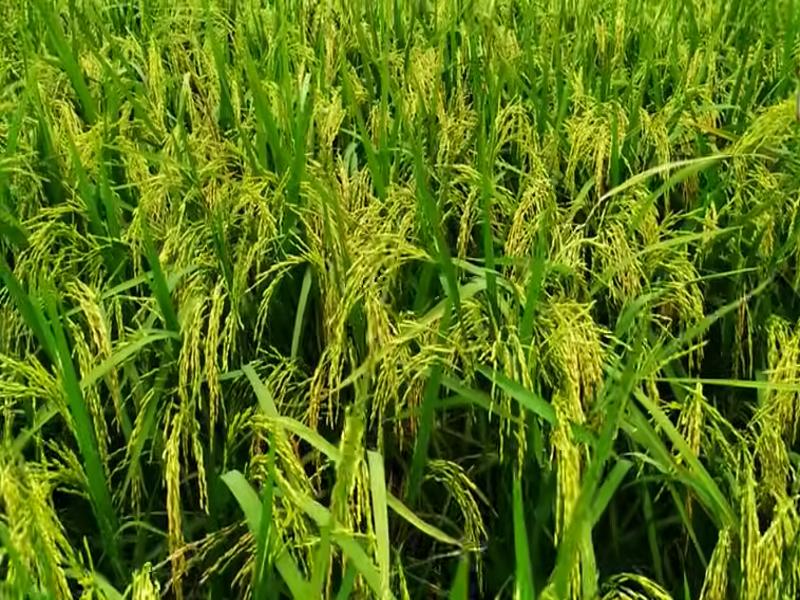
🌾 Complete Guide to Paddy Cultivation – Seeds, Varieties, Diseases, Yield & Care
Paddy (rice) is one of the most important crops in India. It is the main food for almost half of India’s population and plays a vital role in the country’s economy. Nearly one-fourth of India’s cultivable land is used for rice farming.
The major rice-producing states are Punjab, Haryana, Uttar Pradesh, Bihar, West Bengal, Odisha, Andhra Pradesh, and Tamil Nadu.
In recent years, rice production has increased significantly due to modern techniques, high-yielding varieties, and scientific farming practices. Punjab leads the nation in per-acre rice yield.
🌱 1. Best Soil for Paddy Cultivation
Rice can grow in almost any type of soil, but the best soil is the one that retains water well.
- Soil pH: Between 5.0 and 9.5
- Suitable soil types: Sandy loam to clayey
- Best soil: Clay loam with good water-holding capacity
Heavy soils that can hold water are ideal for paddy farming.
🌾2. Popular Paddy Varieties and Their Yield
India has developed many high-yielding and disease-resistant paddy varieties. Here are some of the most popular ones:
🌿 Popular Varieties in Punjab Region
| Variety | Duration (Days) | Yield (Quintal/Acre) | Features |
|---|---|---|---|
| PR 128 | 111 | 30.5 | Long slender transparent grains |
| PR 129 | 108 | 30 | Brown spot resistant |
| HKR 47 | 104 | 29.5 | Plant height 117 cm |
| PR 111 | 135 | 27 | Blast-resistant |
| PR 113 | 142 | 28 | Coarse grains |
| PR 114 | 145 | 27.5 | Long white grains |
| PR 118 | 158 | 29 | Neck blast tolerant |
| PR 121 | 140 | 30.5 | Dwarf variety |
| PR 122 | 142 | 31.5 | Very fine grains |
| Punjab Basmati 3, 4, 5 | 140–150 | 15–17 | Aromatic premium basmati varieties |
| Pusa Basmati 1121, 1509, 1637 | 120–130 | 16–18 | Long grain, fragrant, high market value |
🌾 Other Indian Varieties
| Variety | Suitable Area | Yield (Quintal/Acre) |
|---|---|---|
| Hybrid 6201 | Irrigated fields | 25 |
| Vivek Dhan 62 | Hilly regions | 19 |
| Karnataka Rice Hybrid 2 | Disease resistant | 35 |
| Kanak | Blast resistant | 18 |
| Ratnagiri 1 & 2 | Coastal & low-lying areas | 19–21 |
🚜 3. Land Preparation for Paddy Farming
Proper land preparation ensures better yield and healthy crop growth.
- After wheat harvest, sow green manure crops like dhaincha, sunhemp, or cowpea.
- Plough them into the soil after 6–8 weeks.
- This adds around 25 kg nitrogen per acre naturally.
- Use a laser land leveler to flatten the field evenly.
- Fill the field with water to check uneven patches and avoid wastage.
🌾 4. Seed Selection and Treatment for Paddy Farming
- Seed Rate: 8 kg per acre
- Seed Treatment:
- Soak seeds in 10 liters of water with 20 g Carbendazim + 1 g Streptocycline for 8–10 hours.
- Dry seeds in shade before sowing.
Fungicidal Treatment:
| Chemical | Quantity per kg seed |
|---|---|
| Trichoderma | 5–10 g |
| Chlorpyriphos | 5 ml |
🌱 5. Sowing Time, Spacing & Method for Paddy Farming
- Ideal Sowing Time: 20 May to 5 June
- Spacing:
- For timely crop: 20–22.5 cm
- For late sowing: 15–18 cm
- Depth: 2–3 cm
- Sowing Method: Broadcasting or line sowing
🌿 6. Nursery Preparation & Transplanting for Paddy Farming
🌧️ Wet Bed Nursery
- Suitable for areas with good water supply.
- Nursery area = 1/10 of main field.
- Apply 26 kg urea after 15 days of sowing.
- Seedlings become ready in 25–30 days.
☀️ Dry Nursery
- For dry or rainfed regions.
- Bed height 6–10 cm.
- Maintain moisture properly.
- Half-burnt rice husk helps roots grow stronger.
🌾 Modified Mat Nursery
- Modern technique using polythene sheets or banana leaves.
- Seedlings ready in just 11–14 days.
- Transplant spacing: 20×20 cm or 25×25 cm.
- Ideal for machine transplanting.
🌿7. Fertilizer and Nutrient Management for Paddy Farming
| Nutrient | Quantity (kg/acre) |
|---|---|
| Nitrogen (N) | 50 |
| Phosphorus (P) | 12 |
| Potash (K) | 12 |
Recommended Fertilizers (per acre):
- Urea – 110 kg
- Single Super Phosphate – 75 kg
- Muriate of Potash – 20 kg
Zinc Deficiency Treatment:
- 25 kg Zinc Sulphate Heptahydrate or
- 16 kg Zinc Sulphate Monohydrate
Always use Neem Coated Urea to increase nitrogen efficiency and reduce loss.
🌾 8. Weed Control for Paddy Farming
- 2–3 days after sowing:
- Butachlor 50 EC (1200 ml) or
- Pendimethalin 30 EC (1000 ml) mixed with 60 kg sand and broadcast evenly.
- 20–25 days after sowing:
- Apply 30 g Metsulfuron mixed with 150 liters of water per acre.
💧 9. Irrigation Management for Paddy Farming
- Keep the field flooded for 2 weeks after transplanting.
- Later, irrigate 2 days after water disappears from the field.
- Maintain water depth up to 10 cm.
- Stop irrigation 15 days before harvesting to ease cutting.
🐛 10. Pest and Disease Control for Paddy Farming
🌾 Common Pests
| Pest | Control Method |
|---|---|
| Root borer | Apply Carbofuran (3G) @10 kg/acre |
| Leaf folder | Spray Chlorpyrifos 1L/acre |
| Stem borer | Apply Cartap Hydrochloride 170 g/acre |
| Rice Hispa | Spray Methyl Parathion 120 ml/acre |
| Hopper | Spray Dichlorvos 126 ml in 250 L water |
🌿 Common Diseases and Control
| Disease | Symptoms | Remedy |
|---|---|---|
| Brown Spot | Brown patches on leaves | Spray Zineb 500 g/200 L water |
| Karnal Bunt | Grains turn black and powdery | Spray Tilt 25 EC 200 ml/acre |
| Leaf Blast | Oval brown lesions on leaves | Spray Propiconazole 200 ml/acre |
| False Smut | Green fungal balls on grains | Spray Copper Oxychloride 500 g/acre |
| Sheath Blight | Purple patches on leaf sheath | Spray Tebuconazole 200 ml/acre |
Blight Disease in Paddy: Identification, Symptoms & Control
🌾 11. Harvesting and Storage for Paddy Farming
- Harvest when plants turn golden and grains become hard.
- Use combine harvester or manual sickles.
- After harvesting:
- Thresh the grains
- Dry properly
- Clean and grade
- Mix neem powder (500 g per 10 kg grain)
- Spray Malathion 50 EC (30 ml/100 sq.m every 15 days)
🚜 12. Useful Articles for Farmers
- Kodo Farming
- Foxtail Millet Farming Guide: Cultivation, Yield & Profit
- Oats Farming
- Finger Millet
- Sorghum Farming
- Barley Farming
- Paddy Farming In India
- Millet Farming
- Maize Farming in India: Guide for Maximum Profit
- Wheat Farming in India: Sowing to Profit Guide
- Carbon Farming in India: Benefits & Practices Guide
- Low Cost Irrigation Method
- Micro Irrigation System
- Plant a Tree with Just One Liter of Water
- How to Do Organic Farming
- Benefits of Natural Farming
- Vermicompost Preparation Method
- Benefits of Drip Irrigation
- Pest and Disease Management
- Soil Health Card Scheme
❓ 13. Frequently Asked Questions (FAQs) on Paddy Cultivation
Q1. What is the best time for rice sowing in India?
The best time for rice sowing in India is from late May to early June, depending on the region and monsoon arrival. Sowing at the right time helps ensure better crop establishment and higher yields.
Q2. How can I increase paddy yield naturally?
To increase paddy yield, use high-yielding seed varieties, apply balanced fertilizers, maintain proper irrigation, control weeds on time, and protect the crop from pests and diseases. Good crop management can significantly improve production.
Q3. Which soil is best for paddy cultivation?
Clay loam soil with good water-holding capacity and proper drainage is considered the best soil for paddy cultivation. A soil pH between 5.5 and 7.0 is ideal for healthy crop growth.
Q4. How much water does a paddy crop require?
A paddy crop generally requires 1,200 to 1,500 mm of water during its entire growing season. Proper water management helps improve grain yield while reducing unnecessary water loss.
Q5. Which are the best paddy varieties in India?
Some of the best paddy varieties grown in India include PR 128, PR 129, PR 121, Pusa Basmati 1121, Punjab Basmati 3, and other region-specific recommended varieties. The best variety depends on your state’s climate, soil, and growing conditions.
Q6. How do I identify blast disease in paddy?
Blast disease can be identified by boat-shaped or eye-shaped brown spots with ash-grey centers on the leaves. In severe cases, the disease also affects the nodes and the neck of the panicle, leading to heavy yield loss.
Q7. How many days does it take for paddy nursery seedlings to be ready?
For most rice varieties, nursery seedlings become ready for transplanting in 25 to 30 days after sowing. Healthy seedlings ensure better crop establishment and higher productivity.
Q8. When is the right time to harvest paddy?
Paddy should be harvested when 80–85% of the grains turn golden yellow, the grains become hard, and their moisture content is around 20–25%. Timely harvesting helps reduce grain losses and maintains quality.
Q9. Which fertilizers are essential for paddy cultivation?
The main fertilizers required for paddy are Urea (Nitrogen), DAP or SSP (Phosphorus), MOP (Potash), and Zinc Sulphate. Apply fertilizers based on soil test recommendations for the best results.
Q10. How can farmers increase profits from rice farming?
Farmers can increase profits by using improved paddy varieties, adopting balanced nutrient management, reducing production costs, practicing crop rotation, controlling pests and diseases on time, and taking advantage of government schemes and subsidies.
🌾 Conclusion
Paddy cultivation is the backbone of India’s agriculture and food security.
By adopting scientific methods, improved seeds, proper irrigation, and pest control, farmers can significantly increase their yield and income.
With the right knowledge and technology, every farmer can move towards self-reliance and prosperity.
“Nourish the Earth with wisdom, and it will reward you with golden grains of rice.” 🌾🇮🇳
Need any assistance? 👉 Feel free to contact us