


Farmer Cultivators

🌱 What is a Cultivator? – Types, Uses, and Benefits (Hand, Animal, Rigid Tine, Rotary, Duck Foot, and Disc Cultivator Detailed Information)
A Cultivator is one of the most important agricultural tools used in farming. It is used for plowing the field, loosening the soil, removing weeds, and preparing the land before sowing seeds.
In modern farming, cultivators have largely replaced traditional plows and are now among the most widely used tools in agriculture.
The Main Objectives of Using a Cultivator:
- To make the soil soft and aerated
- To retain soil moisture
- To destroy weeds
- To prepare ideal land for seed germination
🚜 History and Development of Cultivators
In earlier times, farmers used plows and animal power like oxen for cultivation. But as technology advanced, so did the farming tools.
Cultivators initially started as hand-operated small tools, then moved to animal-drawn models, and today we have tractor-operated modern cultivators.
At present, the market offers a wide range of manual, animal-drawn, and tractor-driven cultivators, suitable for different soil types and crops.
🌾 Main Types of Cultivators
1. Hand Cultivator

A Hand Cultivator is a small, hand-operated tool mainly used in gardens, vegetable farms, or small crop fields.
It is light, inexpensive, and easy to use.
Features and Uses
- Suitable for small farms and home gardening
- Used to loosen soil and remove weeds
- Made of handle and metal tines
- Requires no external power source
Advantages
- Low cost and durable
- Easy to repair
- Very low maintenance cost
Limitations
- Not suitable for large farms
- Labor-intensive and time-consuming
2. Animal Cultivator
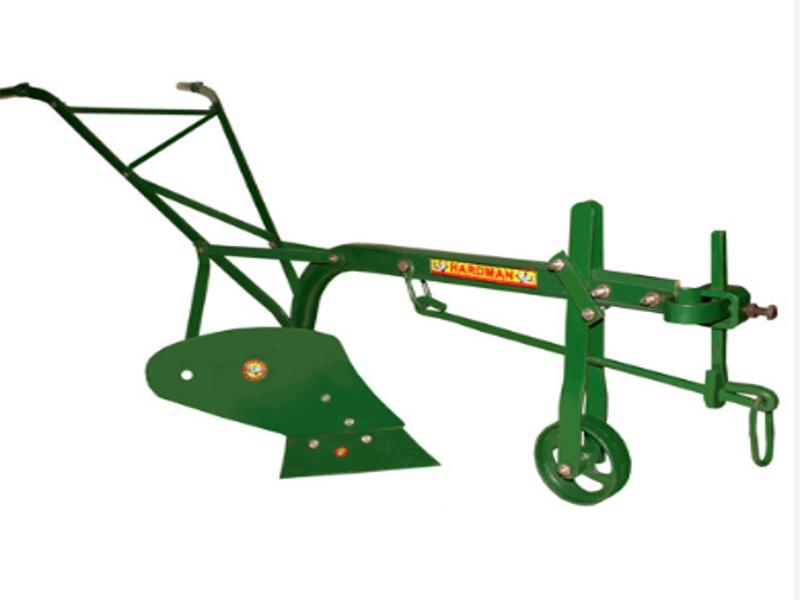
An Animal Cultivator (or animal-drawn cultivator) is popular in regions where tractors are not easily available.
It is operated with the help of bullocks or horses.
Features and Uses
- Attached to a plow or yoke
- Suitable for small to medium-sized fields
- Helps in turning topsoil and removing weeds
Advantages
- No fuel required
- Affordable for rural areas
- Maintains natural soil structure
Limitations
- Takes more time
- Requires animal care and feeding costs
- Not suitable for deep tilling
3. Rigid Tine Cultivator

A Rigid Tine Cultivator has strong steel tines that can easily penetrate hard and compact soil.
It is a tractor-operated implement suitable for deep cultivation.
Features
- Contains 7 to 13 tines
- Ideal for heavy and dry soils
- Used to loosen soil in row crops
Advantages
- Deep tillage capacity
- Excellent soil mixing
- Covers a large area quickly
Limitations
- Expensive and heavy
- Works only with tractors
4. Rotary Cultivator / Rotavator

A Rotary Cultivator, commonly known as a Rotavator, is one of the most popular modern agricultural machines.
It is a power-driven tool with rotary blades that turn and mix the soil thoroughly.
Uses
- Land preparation before sowing
- Weed control
- Mixing manure or fertilizer into the soil
Advantages
- Saves time
- Improves soil texture and moisture retention
- Suitable for all types of soil
Limitations
- High fuel consumption
- Requires regular maintenance
- High initial cost
5. Duck Foot Cultivator
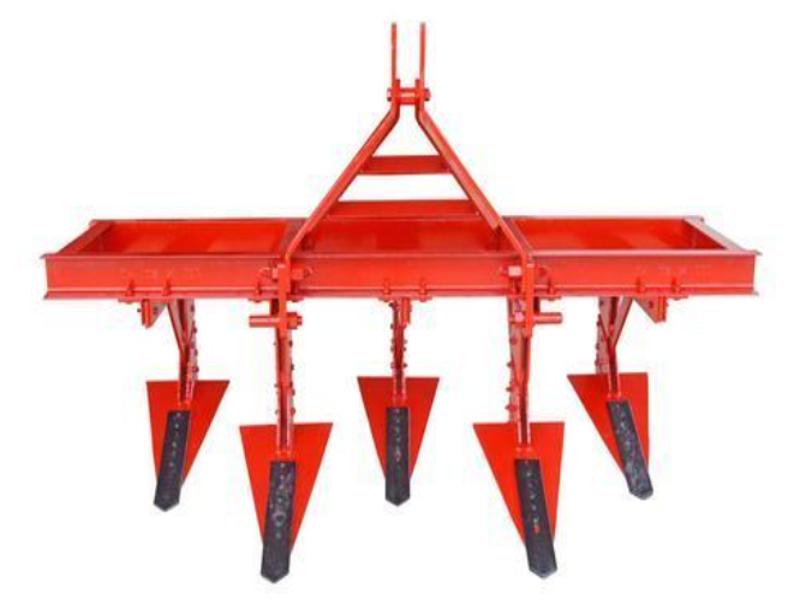
The Duck Foot Cultivator gets its name from its duck-foot-shaped blades, which cut through weeds near the surface and loosen the soil.
Uses
- Weed control
- Pre-sowing and post-sowing tillage
- Works effectively in light to medium soils
Advantages
- Excellent for weed control
- Lightweight and low maintenance
- Levels the soil surface
Limitations
- Less effective in hard soil
- Cannot reach deep soil layers
6. Disc Cultivator
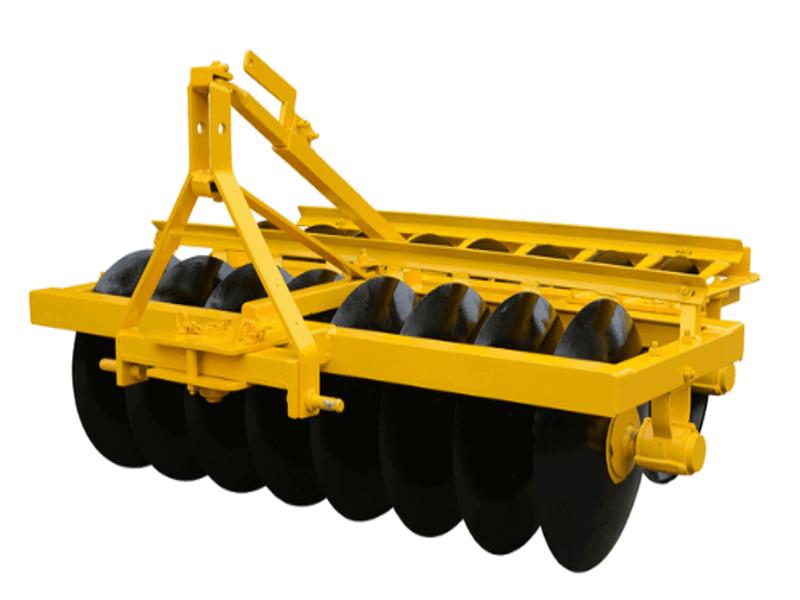
A Disc Cultivator uses round disc blades to cut and turn the soil. It is considered ideal for heavy or rocky soils.
Uses
- Breaking new land
- Removing weeds and crop residues
- Working in dry and compact soil
Advantages
- High efficiency and deep tillage
- Makes soil smooth and crumbly
- Lower fuel use compared to rotary cultivators
Limitations
- Heavier, needs a large tractor
- Higher maintenance cost
🌾 Benefits of Using a Cultivator
- Faster land preparation
- Better weed control
- Improved soil quality
- Increased crop yield
- Saves both time and labor
- Enhances irrigation and nutrient absorption
- Retains soil moisture for a longer time
⚙️ Things to Consider Before Buying a Cultivator
- Size of the field and type of soil
- Tractor capacity
- Budget and maintenance cost
- Brand and service availability
- Durability and quality of the machine
🌾 Popular Cultivator Brands in India
- Mahindra Cultivator
- Sonalika
- Fieldking
- Shaktiman
- Landforce
- Swaraj
- Captain
These brands offer cultivators in different models, sizes, and tine capacities.
🌿 Role of Cultivator in Modern Farming
In today’s Precision Farming, cultivators play a more significant role than ever.
GPS-enabled tractors and sensor-based rotavators are helping farmers save time, reduce labor, and increase productivity while lowering costs.
⚙️ Government Subsidies and Schemes on Cultivators in India
The Government of India offers several subsidy schemes to encourage farmers to adopt modern agricultural machinery.
Farmers can get up to 50% subsidy on purchasing cultivators, depending on the state and scheme.
🌿 1. PM Kisan Agricultural Machinery Scheme
This is one of the major schemes by the Government of India, under which farmers can buy modern tools like Rotavator, Cultivator, Seed Drill, and Tractor at subsidized rates.
Key Points
- Applicable in all states
- Online application at agriportal.gov.in or State Agriculture Department sites
- 40%–50% subsidy
- Additional 10% benefit for SC/ST and women farmers
- Maximum subsidy ₹40,000–₹60,000 (depending on type of cultivator)
🌿 2. Sub-Mission on Agricultural Mechanization (SMAM)
This scheme is run by the Ministry of Agriculture, Government of India, to promote modern farming machinery.
Benefits
- Subsidy available on all farm equipment including cultivators
- 40–50% subsidy (60% for women/SC/ST farmers)
- Applications through Krishi Seva Kendra or CSC centers
- Machines delivered directly from the manufacturer
🌿 3. State-Level Agricultural Subsidy Schemes
Each state provides additional subsidy schemes under its agriculture policy:
| State | Subsidy % | Website |
|---|---|---|
| Uttar Pradesh | 40–50% | upagripardarshi.gov.in |
| Madhya Pradesh | 50% | mpkrishi.mp.gov.in |
| Rajasthan | 50% | agriculture.rajasthan.gov.in |
| Bihar | 40% | dbtagriculture.bihar.gov.in |
| Maharashtra | 40–50% | krishi.maharashtra.gov.in |
🌿 4. Custom Hiring Center (CHC) Scheme
Farmers who cannot afford to buy a cultivator can rent one through a Custom Hiring Center (CHC).
The government offers up to 80% subsidy for establishing these centers.
Benefits
- Affordable option for small and marginal farmers
- Promotes collective farming
- Maintenance handled by the center
💰 Estimated Prices of Cultivators in India
| Type of Cultivator | Average Price (₹) |
|---|---|
| Hand Cultivator | ₹500 – ₹1,500 |
| Animal Cultivator | ₹8,000 – ₹15,000 |
| Rigid Tine Cultivator | ₹30,000 – ₹60,000 |
| Rotary / Rotavator | ₹60,000 – ₹1,20,000 |
| Duck Foot Cultivator | ₹25,000 – ₹40,000 |
| Disc Cultivator | ₹50,000 – ₹90,000 |
💡 Note: With government subsidy, these prices can reduce by 40%–60%.
📋 How to Apply for Cultivator Subsidy (Step-by-Step)
- Visit your state agriculture department website
- Go to the “Agricultural Machinery Subsidy” section
- Enter your PM-Kisan registration number or Aadhaar number
- Select the type of cultivator
- Upload required documents (Aadhaar card, farmer registration, bank passbook)
- Submit the application and download the receipt
- Once approved, the subsidy amount is directly transferred to your bank account
🌾 Conclusion
A Cultivator is a vital agricultural tool that has made Indian farming faster, smarter, and more productive.
From simple Hand Cultivators to advanced Rotary Rotavators, each type plays an important role in improving soil health and boosting crop yield.
If you are a farmer aiming to increase efficiency in your farming operations, choose the right cultivator according to your land and soil needs.
This tool is your true companion in farming — helping you work less and produce more, season after season. 🌾
👉 For more useful information on agricultural tools click here