


Carrot Farming
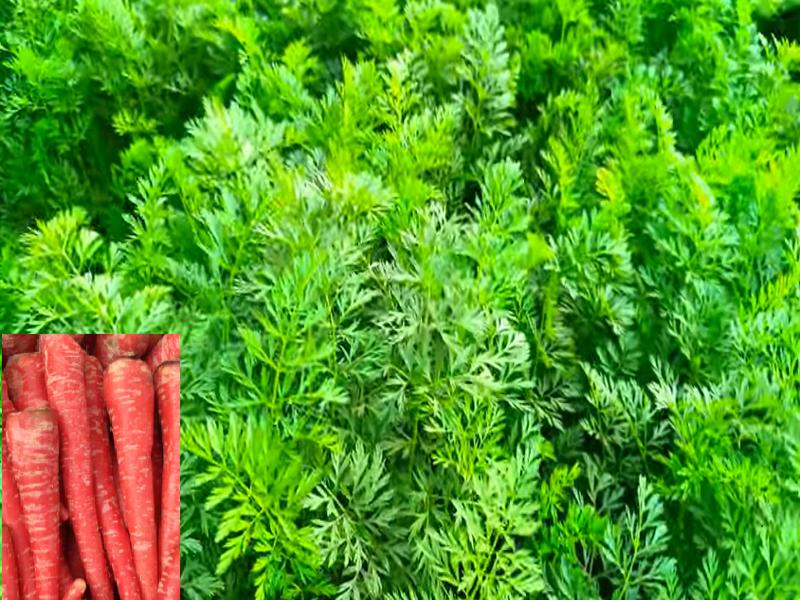
Carrot Farming Guide: Methods, Varieties, Yield & Profit
Carrot is one of the most important vegetable crops grown in India. It is popular not only for its sweet taste but also for its high nutritional value. Carrot is an excellent source of Vitamin A, which is essential for good eyesight, healthy skin, and a strong immune system.
Today, carrot farming has become a profitable option for Indian farmers due to high market demand throughout the year. Carrots are widely used in vegetables, salads, juices, pickles, and traditional drinks like kanji. With proper farming practices and planning, farmers can earn good income per acre from carrot cultivation.
General Information About Carrot Crop
Carrot is an annual or biennial herbaceous plant belonging to the Umbelliferae (Apiaceae) family. The crop originated in Europe but is now widely cultivated across India.
Major Carrot Growing States in India
- Haryana
- Punjab
- Uttar Pradesh
- Andhra Pradesh
- Karnataka
These states contribute significantly to carrot production due to favorable climate and soil conditions.
Climate and Season for Carrot Farming
Carrot grows best in cool to moderate climatic conditions. Proper temperature management plays a crucial role in root development and quality.
Temperature Requirements
| Growth Stage | Suitable Temperature |
|---|---|
| Seed Germination | 18–23°C |
| Crop Growth | 7–23°C |
| Harvesting | 20–25°C |
Rainfall Requirement
- Annual rainfall of 75–100 cm is ideal
- Waterlogging should be avoided as it damages roots
👉 Summer carrot farming is possible with controlled irrigation and temperature management, especially in suitable regions.
Soil Requirement for Carrot Cultivation
For healthy root development, soil selection is very important.
Suitable Soil
- Deep soil
- Loose and friable
- Loamy soil with good drainage
Unsuitable Soil
- Very heavy clay soil
- Extremely sandy soil
Soil pH
- Ideal range: 5.5 to 7.0
- Best yield at pH 6.5
Popular Carrot Varieties and Yield (Per Acre)
PC-34
- Red-colored roots
- Root length: ~25 cm
- TSS: 8.8%
- Harvesting time: 90 days
- Average yield: 204 quintals/acre
Punjab Black Beauty
- Purple-black roots
- Rich in anthocyanins and phenols
- Helps protect against cancer
- Harvesting time: 93 days
- Yield: 196 quintals/acre
Punjab Red Carrot
- High-yielding variety
- Average yield: 230 quintals/acre
Exotic Varieties
- USA: Danvers Half Long, Imperator
- Japan: Suko
- France: Nantes, Chantenay
- Australia: Red Elephant
Indian Improved Varieties
- Pusa Kesar: 120 quintals/acre
- Pusa Meghali: 100–120 quintals/acre
New Kuroda (Hybrid)
- Suitable for both plains and hilly areas
- Good root shape and uniform growth
Land Preparation
- Plough the field 2–3 times to make soil fine and loose
- Remove weeds and clods completely
- Apply 10 tons of well-decomposed farmyard manure per acre
- Avoid using undecomposed manure, as it causes forked roots
Sowing Details
Time of Sowing
- Local (Desi) varieties: August–September
- European varieties: October–November
Spacing
- Row to row: 45 cm
- Plant to plant: 7.5 cm
Sowing Depth
- Seeds should be sown at 1.5 cm depth
Method of Sowing
- Dibbling method
- Broadcasting method
Seed Rate and Seed Treatment
Seed Rate
- 4–5 kg seeds per acre
Seed Treatment
- Soak seeds in water for 12–24 hours before sowing
- Improves germination percentage
Fertilizer and Nutrient Management (Per Acre)
Fertilizer Quantity
- Urea: 55 kg
- SSP: 75 kg
- MOP (Potash): 50 kg
Nutrient Requirement
- Nitrogen: 25 kg
- Phosphorus: 12 kg
- Potash: 30 kg
Apply all fertilizers at the time of sowing along with farmyard manure. Potash is especially important for strong and healthy root development.
Weed Control
- Perform 2–3 intercultural operations
- Regular weeding and hoeing improve soil aeration
- Helps in better root growth and higher yield
Irrigation Management
- First irrigation immediately after sowing
- Summer: every 6–7 days
- Winter: every 10–12 days
- Total irrigations: 3–4 times
⚠️ Avoid excessive irrigation, as it causes malformed roots and hair-like growth.
Stop irrigation 2–3 weeks before harvesting to improve sweetness and taste.
Plant Protection
Nematode Control
- Apply Neem cake @ 0.5 ton per acre at sowing time
Disease Control
- Leaf Spot Disease
- Spray Mancozeb @ 2 g per liter of water if symptoms appear
Harvesting
- Carrots are ready for harvest in 90–100 days, depending on variety
- Harvesting is done manually by uprooting plants
- Remove green tops after harvesting
- Wash roots with clean water
Post-Harvest Management
- Grade carrots according to size and quality
- Pack in gunny bags or baskets
- Transport to nearby markets or mandis
Profit from Carrot Farming (Per Acre)
- Average yield: 180–230 quintals
- Market price: ₹10–₹25 per kg (varies by season)
- Gross income: ₹1.8 to ₹4 lakh per acre
- Net profit depends on input cost but remains attractive
👉 Carrot farming offers excellent income potential for small and marginal farmers.
Frequently Asked Questions (FAQs)
1. How many days does carrot crop take to mature?
Carrot is ready for harvest in 90–100 days.
2. Which soil is best for carrot farming?
Deep, loose loamy soil with good drainage.
3. How much seed is required per acre?
About 4–5 kg per acre.
4. Can carrots be grown in summer?
Yes, with proper irrigation and temperature management.
5. Which variety gives the highest yield?
Punjab Red and PC-34 are high-yielding varieties.
6. How many irrigations are needed?
Usually 3–4 irrigations per crop.
7. What is the major disease in carrot crop?
Leaf spot disease.
8. What is the average profit from carrot farming?
₹1.5 to ₹3 lakh per acre, depending on market price.
9. Why is seed soaking important?
It improves germination rate.
10. Why should irrigation be stopped before harvest?
To increase sweetness and improve carrot quality.
Conclusion
Carrot farming is a low-risk and high-return vegetable crop for Indian farmers. With the right variety, proper soil preparation, balanced fertilization, and timely irrigation, farmers can achieve excellent yield and profit per acre.
If you are looking for a reliable and profitable vegetable crop, carrot cultivation is a smart choice. With dedication and correct farming practices, carrot farming can help farmers move towards financial stability and self-reliance.
👉 Click here to read complete and detailed information about other vegetables cultivation.
Reference Websites
- Agriculture and Horticulture Content
- HP Agriculture Department
- Indian Institute of Horticultural Research
- Krishi Vigyan Kendra Portal