


Celery Farming
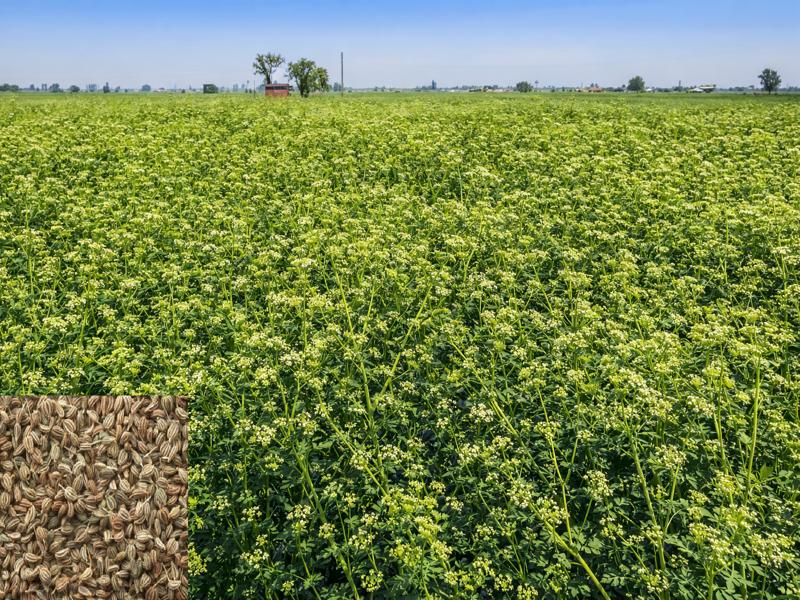
🌱 Ajwain Farming Guide: High Profit Crop with Low Investment
(Complete Guide with Practical Farming Tips)
Ajwain (Celery Seed) is a highly valuable spice and medicinal crop in India. From daily household kitchens to large Ayurvedic industries, its demand remains strong throughout the year. Due to low input cost, minimum risk, and attractive market prices, Ajwain farming is becoming a profitable choice for farmers.
If you want to understand:
✔ how Ajwain farming is done
✔ when and how to grow Ajwain
✔ which month is best for Ajwain cultivation
✔ complete step-by-step Ajwain farming details
👉 This blog is a complete practical guide for beginners and experienced farmers.
🌿 1. Crop Introduction | Ajwain Overview
Ajwain is a bushy rabi season spice crop mainly grown for its aromatic seeds. It is widely used in spices, medicines, and home remedies.
🔹 Key Features of Ajwain Crop
- Belongs to the Apiaceae (Coriander) family
- Seeds are aromatic and medicinal
- Highly beneficial for digestive disorders
- Year-round market demand
- Easy to cultivate
📍 Where Ajwain is Grown in India
Ajwain is mainly cultivated in:
- Rajasthan
- Gujarat
- Uttar Pradesh
- Punjab
- Madhya Pradesh
- Bihar
- Maharashtra
- Tamil Nadu
❤️ 2. Health Benefits of Ajwain
Ajwain is not just a spice- it is an Ayurvedic medicine with multiple health benefits.
🔹 Major Health Benefits
- Relieves gas, indigestion, and stomach pain
- Helpful in cold, cough, and asthma
- Reduces joint and arthritis pain
- Purifies blood
- Supports weight loss
- Beneficial for respiratory diseases
👉 Rich in Vitamin C, Vitamin K, Vitamin B6, Folate, and Potassium
🔬 3. Scientific Classification
| Category | Details |
|---|---|
| Botanical Name | Apium graveolens |
| Family | Apiaceae |
| Common Name | Ajwain |
| English Name | Celery Seed |
| Plant Type | Herbaceous |
🌤️4. Climate & Temperature Requirement
🔹 Suitable Climate
- Cool and dry climate is ideal
- Excessive heat is harmful
🌡️ Temperature Range
- Germination: 25–30°C
- Plant growth: 12–25°C
- Seed maturity: 25–30°C
📅 When is Ajwain Farming Done?
Ajwain is a Rabi crop:
- Sowing: October to November
- Harvesting: March to April
This season is similar to several low-water crops.
🌱5. Soil Requirement
🔹 Best Soil Type
- Sandy loam soil
- Well-drained land
- Rich in organic matter
⚖️ Ideal Soil pH
- 6.5 to 7.5
❌ Avoid waterlogging and alkaline soils.
🌾6. Seed Selection & Improved Varieties of Ajwain
Choosing the right variety is the key to higher yield and profit.
🌱 6.1 Uta & Pascal
- Internationally popular varieties
- Plants remain green till harvest
- Excellent quality
- Mainly used for fresh celery (salad & vegetables)
🌱 6.2 Fordhook Emperor
- Thick and aromatic leaves
- Good disease resistance
- Suitable for salad, soup & medicinal use
- Preferred for commercial vegetable farming
🌱 6.3 AA-1
- Developed by National Research Centre on Seed Spices, Ajmer
- Late-maturing improved variety
- Suitable for all soil types
- Yield: 12–15 quintals per acre
- Best for seed spice production
🌱 6.4 Gujarat Ajwain-1
- High-yielding variety
- Ideal for dry and semi-dry regions
- Performs well even with limited irrigation
- Yield: 8–12 quintals per acre
🌱 6.5 RA 19-80
- Suitable for irrigated & rainfed areas
- Crop duration: 155–160 days
- Stable yield: 9–10 quintals per acre
🌱 6.6 Labh Selection-1 & Labh Selection-2
- Early maturing varieties
- Popular in Rajasthan & Gujarat
Labh Selection-1: 8–9 quintals/acre
Labh Selection-2: 9–10 quintals/acre
✔ Best for short-duration, low-risk farming.
🌱 6.7 Fusarium Wilt Resistant Varieties
- Utah 52-70R Improved
- Tall Utah 52-70HK
- Picador
- Matador
✔ Recommended for disease-prone fields.
✅ Tips for Variety Selection
- Choose according to local climate
- Consider irrigation availability
- Use disease-resistant varieties
- Always use certified seeds
👉 Right selection makes Ajwain farming reliable.
🌰7. Seed Rate & Treatment
🔹 Seed Rate
- 400 grams per acre
🔹 Seed Treatment
- Carbendazim or Thiram
- 2–3 g per kg seed
✔ Reduces seed-borne diseases.
🚜8. Land Preparation
🔹 Preparation Method
- 2–3 deep ploughings
- 4–5 light ploughings
- Level and fine seedbed
🌿 Organic Manure
- 12–15 tons of well-decomposed FYM per acre
🌱9. Sowing Method
📅 Best Time
- Nursery: September–October
- Transplanting: November–December
👉 September–October is ideal for Ajwain farming.
📏 Spacing
- Row to row: 45 cm
- Plant to plant: 25 cm
⬇️ Sowing Depth
- 2–4 cm
🧪 10. Fertilizer Management (Per Acre)
🔹 Nutrient Requirement
- Nitrogen: 40 kg
- Phosphorus: 16 kg
🔹 Fertilizer Quantity
- Urea: 90 kg
- SSP: 35 kg
🔹 Application Method
- Half nitrogen at transplanting
- Remaining in two splits at 45 & 75 days
💧11. Irrigation Management
Ajwain has shallow roots, so regular irrigation is important.
🔹 Irrigation Schedule
- First irrigation: Immediately after transplanting
- Later: Every 10–15 days
- Total irrigations: 4–6
✔ Drip irrigation gives best results.
🌾12. Weed Management in Ajwain Farming
Weeds can reduce yield by 30–40% if not controlled- this applies to Ajwain.
🌱 12.1 Losses Due to Weeds
- Compete for nutrients & water
- Increase pests and diseases
- Slow plant growth
- Reduce seed yield
🧹12.2 Manual Weed Control
- First weeding: 25–30 days after sowing
- Second weeding: 45–50 days
- Third weeding if required
✔ Improves soil aeration.
⚙️ 12.3 Mechanical Weed Control
- Use hoe or light cultivator
- Loosen soil between rows
- Avoid root damage
✔ Suitable for small & medium farmers.
🧪 12.4 Chemical Weed Control
- Linuron: 6 kg per acre
- Apply after sowing, before germination
- Adequate soil moisture required
⚠️ Safety Tips:
- Do not overdose
- Spray morning or evening
- Wear protective gear
🍂 12.5 Mulching Method
- Use dry grass or straw
- Retains moisture
- Prevents weed growth
- Reduces irrigation need
✔ Best for organic farming.
🌿 12.6 Organic Weed Control Practices
- Crop rotation
- Clean field management
- Healthy nursery plants
- Timely irrigation & weeding
✅ 12.7 Important Weed Control Tips
- First 40–50 days are critical
- Remove weeds at early stage
- Avoid waterlogging
- Inspect fields regularly
🐛13. Pest & Disease Management in Celery Farming
In Celery Farming, pests and diseases must be controlled on time. Prevention, regular field inspection, and correct pesticide use are essential for healthy crops and better productivity.
🌿 13.1 Major Insect Pests and Their Control
🔹 Aphids
- Suck sap from leaves and tender stems
- Weaken plants
- Increase the risk of viral diseases
Control Measures
- Malathion 50 EC – 400 ml per acre
- Mix in 150 liters of water
- Spray at 15-day intervals, if required
🔹 Leaf Miner
- White zigzag lines appear on leaves
- Leaves look burnt or damaged
Control Measures
- Remove and destroy infected leaves
- Spray recommended insecticides
- Neem-based pesticides are very effective
🔹Caterpillars
- Feed on leaves and cause heavy damage
- Severe attack can destroy plants
Control Measures
- Regular field monitoring
- Prefer biological control first
- Use recommended insecticides only if needed
🔹 Carrot Weevil & Root-Eating Insects
- Create tunnels in roots
- Plants turn yellow and dry
Control Measures
- Deep ploughing
- Follow crop rotation
- Remove infected plants immediately
🍂 13.2 Major Diseases and Their Control
🔹 Damping-Off Disease
- Seeds rot before germination
- Poor seed emergence
Control Measures
- Mandatory seed treatment
- Copper Oxychloride 400 g per acre
- Drenching with 150 liters of water
🔹 Downy Mildew
- Yellow spots on upper leaf surface
- White fungal growth on lower surface
Control Measures
- Proper field drainage
- Copper Oxychloride or Mancozeb (M-45)
- 400 g per acre spray
🔹 Early Blight
- Small yellow spots on leaves
- Leaves dry gradually
Control Measures
- Zineb 75 WP – 400 g per acre
- Spray with 150 liters of water
🔹 Fusarium Wilt
- Stunted plant growth
- Roots become brown and rotten
- Plants slowly die
Control Measures
- Avoid celery farming in infected fields
- Seed treatment and crop rotation
- Copper Oxychloride 400 g per acre
🛡️ 13.3 General Preventive Measures
- Use certified and healthy seeds
- Avoid waterlogging
- Apply balanced fertilizers
- Avoid excess nitrogen
- Inspect fields regularly
- Remove infected plants immediately
👉 Remember: Prevention is always better than cure in Celery Farming. Timely monitoring ensures safe crops and higher yield.
⏳ 14. Crop Duration of Celery Farming
Celery (Ajwain) is a medium-duration crop. With proper care and favorable climate, it matures on time.
🌱 Average Crop Duration
- Total crop period: 140–170 days
- Nursery stage: 60–70 days
- After transplanting: 80–100 days
📅 Growth Stages and Time Period
1️⃣ Seed Germination Stage
- Duration: 12–15 days
- Light irrigation is essential
2️⃣ Vegetative Growth Stage
- Duration: 30–45 days
- Do weeding, hoeing & first top dressing
3️⃣ Flowering Stage
- Duration: 45–60 days
- Focus on pest and disease control
4️⃣ Seed Formation & Maturity
- Duration: 30–40 days
- Excess moisture can be harmful
🌾 Crop Duration by Variety
- Early varieties: 130–140 days
- Medium varieties: 145–160 days
- Late varieties: 160–170 days
⚠️ Factors Affecting Crop Duration
- Extreme temperature fluctuations
- Irregular irrigation
- Excess nitrogen use
- Weed and disease infestation
✅ Farmer Tips
- Delayed harvesting causes seed shedding
- Timely harvesting improves yield and quality
✂️15. Harvesting in Celery Farming
Harvesting at the right time is crucial. Late harvesting leads to seed loss and reduced income.
⏳ Right Time for Harvest
- 140–160 days after sowing or transplanting
- Seed clusters should be:
- Light brown
- Fully developed
- Aromatic
⚠️ Delayed harvesting causes seed shattering.
🔪 Correct Harvesting Method
1️⃣ Choose dry and clear weather
2️⃣ Cut plants slightly above ground using a sharp sickle
3️⃣ Dry harvested plants in the field for 3–5 days
🌾 Seed Separation Process
1️⃣ After complete drying
2️⃣ Gently beat seed clusters with wooden sticks
3️⃣ Seeds separate easily
4️⃣ Clean and sieve properly
☀️ Final Drying
- Sun-dry seeds for 2–3 days
- Ensure zero moisture
- Moist seeds spoil during storage
✅ Harvesting Precautions
- Harvest in morning or evening
- Avoid humid weather
- Ensure seeds are fully dry
- Do not delay harvesting
🌾16. Yield per Acre in Celery Farming
- Average yield: 8–15 quintals per acre
💰17. Market Price & Profit
📊 Market Price
- ₹12,000 – ₹20,000 per quintal
💸 Expected Profit
- ₹1.5 – ₹2.5 lakh per acre
📦 18. Storage of Celery Seeds
- Store only fully dried seeds
- Keep in dry, ventilated place
- Use jute bags or airtight drums
🏛️ 19. Government Schemes for Celery Farming
- National Seed Spice Mission
- National Horticulture Mission
- Drip Irrigation Subsidy Scheme
👉 Contact your local Agriculture Department for details.
❓ Frequently Asked Questions (FAQs)
Q1. Which month is best for Celery Farming?
Answer: Celery Farming is done in the Rabi season. Seed sowing is best from August to September, and transplanting from November to December.
Q2. When is celery cultivated?
Answer: Celery is mainly grown in winter. A cool and dry climate gives the best results.
Q3. How is Celery Farming done?
Answer:
- Nursery raising and transplanting
- Direct seed sowing
Most farmers prefer the nursery method for stronger plants and higher yield.
Q4. How to get higher yield in Celery Farming?
Answer:
- Use improved certified varieties
- Select loamy, well-drained soil
- Apply balanced fertilizers
- Timely irrigation and weed control
Q5. When and how to start Celery Farming?
Answer: Start seed sowing between August–September. Transplant seedlings after 60–70 days.
Q6. Complete crop calendar
- Sowing: August–September
- Transplanting: November–December
- Harvesting: March–April
Q7. Where is Celery Farming done in India?
Answer:
Rajasthan, Gujarat, Uttar Pradesh, Madhya Pradesh, Punjab, Maharashtra
Q8. How much water is required?
Answer:
- Light but regular irrigation
- Every 15–20 days
- Critical during flowering and seed formation
- Drip irrigation is best
Q9. Yield per acre?
Answer:
With scientific practices, 8–15 quintals per acre is achievable.
Q10. Profit per acre?
Answer:
At current market rates, farmers can earn ₹1.5–2.5 lakh per acre.
✅ Conclusion
Celery Farming (Ajwain cultivation) is a low-cost, low-risk, and high-profit crop.
With:
- right timing
- improved varieties
- scientific farming practices
farmers can earn excellent income per acre.
🌿 If you are planning Celery Farming, start today with proper planning and confidence.
🙏 Wishing you a successful and profitable harvest!
👉 For more detailed and practical information on spice farming, click here.
Reference Source: