

🌱 Latest Information on Organic and Natural Farming
View All Articles →- What is Jeevamrit? Preparation Method, Uses & Benefits

- Natural Farming: Complete Guide to Sustainable Farming Success
- Carbon Farming in India: Benefits & Practices Guide
- Zero Budget Natural Farming (ZBNF): Methods, Benefits & Cost
🌱 Complete Guide to Organic and Natural Farming
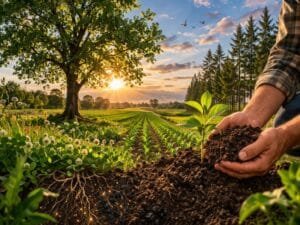
Carbon Farming in India: Benefits & Practices Guide
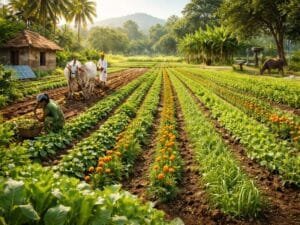
Zero Budget Natural Farming (ZBNF): Methods, Benefits & Cost
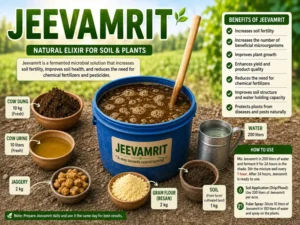
What is Jeevamrit? Preparation Method, Uses & Benefits

Natural Farming: Complete Guide to Sustainable Farming Success
🚜 Farmer Support Tools
📋 Frequently Asked Questions (FAQs)
What is Organic and Natural Farming?+
Organic and natural farming are agricultural methods in which healthy, safe, and sustainable crops are produced by using cow dung, cow urine, Jeevamrit, Beejamrit, compost, vermicompost, and other natural resources instead of chemical fertilizers and pesticides.
What is the difference between organic farming and natural farming?+
Organic farming uses certified organic fertilizers and organic inputs, whereas natural farming mainly relies on local resources such as cow dung, cow urine, Jeevamrit, Ghan Jeevamrit, and mulching, with minimal use of external inputs.
What are the main benefits of organic farming?+
Organic farming improves soil fertility, enhances crop quality, protects the environment, reduces chemical residues, and can also lower farming costs over the long term.
What are the main principles of natural farming?+
The main principles of natural farming include using local resources, applying Jeevamrit and Beejamrit, mulching, Waaphasa technique, avoiding chemical inputs, and protecting beneficial soil microorganisms.
What is Jeevamrit and why is it used?+
Jeevamrit is an organic liquid prepared from cow dung, cow urine, jaggery, gram flour or pulse flour, and soil. It helps increase beneficial microorganisms in the soil, promotes plant growth, and improves nutrient availability.
What is Beejamrit and why is it important?+
Beejamrit is a natural seed treatment solution used to treat seeds before sowing. It helps reduce the risk of seed-borne diseases and improves seed germination.
Are chemical fertilizers used in organic farming?+
No, chemical fertilizers and most synthetic pesticides are not used in organic farming. Instead, compost, vermicompost, farmyard manure (cow dung manure), green manure, and organic fertilizers are used.
How are pests and diseases managed in organic farming?+
Pests and diseases are managed using neem-based products, Dashparni Ark, Agniastra, Brahmastra, beneficial bacteria and fungi-based bio-products, pheromone traps, sticky traps, and beneficial insects.
Which types of manure are used in organic farming?+
Organic farming uses farmyard manure (cow dung manure), compost, vermicompost, green manure, Ghan Jeevamrit, Jeevamrit, bone meal, neem cake, and other organic nutrient sources.
Does natural farming produce lower yields?+
In the initial years, some crops may show changes in yield. However, with proper techniques, improved soil fertility, and good management, stable and profitable production can be achieved over the long term.
Can all crops be grown using organic and natural farming?+
Yes, with proper planning and management, most crops including rice, wheat, pulses, oilseeds, vegetables, fruits, spices, and horticultural crops can be grown using organic and natural farming methods.
What is Organic Certification?+
Organic Certification is the process of verifying that agricultural products are produced according to approved organic standards. It helps increase the credibility and market value of organic products.
What is Mulching and what are its benefits?+
Mulching is the practice of covering the soil surface with crop residues, straw, or other organic materials. It helps retain soil moisture, reduces weed growth, maintains soil temperature, and supports beneficial microorganisms.
How does organic and natural farming benefit the soil?+
These farming methods improve soil organic carbon, increase beneficial microbial activity, enhance water-holding capacity, and improve soil fertility, helping the land remain productive for a long time.
Where can I get reliable information about organic and natural farming?+
Reliable information on organic and natural farming can be obtained from Krishi Vigyan Kendras (KVKs), ICAR institutes, agricultural universities, state agriculture departments, certified agricultural experts, and official agriculture portals.
Why is organic and natural farming important?+
Organic and natural farming promotes safe food production, conserves soil and water, protects the environment, preserves biodiversity, and supports a sustainable farming system for farmers.