


Oats Farming
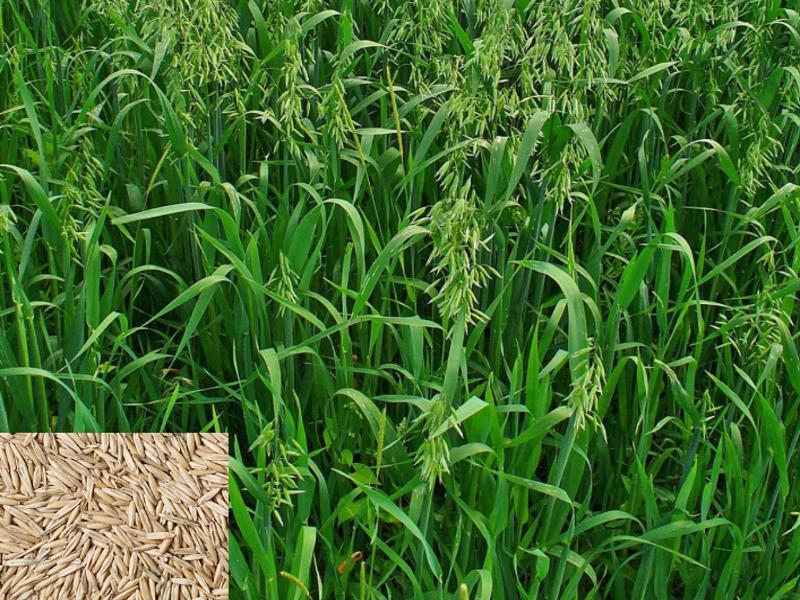
Oats Farming in India: Complete Guide for Higher Yield
Oats farming, known as Jai Ki Kheti in India, is gaining popularity among farmers due to its multiple benefits. Oats is not only an important cereal crop but also one of the best green fodder crops for livestock. With increasing awareness about healthy eating, the demand for oats-based food products is also rising rapidly.
Oats are rich in protein, fiber, and essential nutrients. Regular consumption helps in weight management, controlling blood pressure, and improving immunity. From a farmer’s point of view, oats cultivation is low-cost, easy to manage, and suitable for different climatic conditions across India.
This blog provides a complete per-acre guide to oats farming, written in simple and farmer-friendly language, based on agricultural practices followed in India pasted.
Importance of Oats Farming
- Useful for both humans and animals
- Short-duration crop with quick returns
- Requires less water compared to many cereals
- High nutritional value
- Ideal for small and marginal farmers
- Excellent option for green fodder production
Suitable Climate for Oats Farming
Temperature Requirements
- Sowing temperature: 20–25°C
- Crop growth: 20–30°C
- Harvesting stage: 25–30°C
Rainfall Requirement
- 80–100 mm rainfall is sufficient
Oats grow best in temperate and sub-tropical regions. They also perform well in high-altitude and coastal areas if proper drainage is available.
Best Soil for Oats Cultivation
Oats can be grown in almost all soil types, but well-drained loamy or sandy loam soil gives the best results.
- Ideal soil pH: 5.0 to 6.6
- Soil rich in organic matter improves yield
- Avoid waterlogged fields
Popular Oats Varieties and Yield (Per Acre)
Varieties Suitable for North India
- Weston-11
Released in Punjab, tall plants (up to 150 cm), long golden grains - Kent
Grown across India, resistant to diseases, green fodder yield around 210 quintals per acre - OL-10
Suitable for irrigated areas, fodder yield up to 270 quintals per acre - OL-9
Grain yield about 7 quintals and fodder yield 230 quintals per acre - OL-11
Released in 2017, leafy plants, average fodder yield 245 quintals per acre
Varieties from Other States
- Brunker-10 – Fast-growing, soft leaves, disease resistant
- HFO-114 – Grain yield 7–8 quintals per acre
- Algerian – Medium growth, light green leaves
- OS-6 – Fodder yield 210 quintals per acre
- Bundel Jai 851 – Green fodder yield 188 quintals per acre
Land Preparation
Proper land preparation is essential for good germination and higher yield.
- Plough the field 6–8 times
- Remove weeds completely
- Add well-decomposed farmyard manure during final ploughing
- Level the field properly
Oats can tolerate slightly higher soil pH compared to wheat and barley.
Sowing Details
Best Time for Sowing
- Second to last week of October
Row Spacing
- 25–30 cm between rows
Seed Depth
- 3–4 cm depth is ideal
Method of Sowing
- Seed drill or zero tillage machine can be used
Seed Rate and Seed Treatment
Seed Quantity
- 25 kg seed per acre
Seed Treatment
- Treat seeds with Captan or Thiram @ 3 grams per kg seed
- Protects seeds from fungal and bacterial diseases
Fertilizer Management (Per Acre)
Fertilizer Quantity
- Urea: 66 kg
- Single Super Phosphate (SSP): 50 kg
Nutrient Requirement
- Nitrogen: 30 kg
- Phosphorus: 8 kg
Apply half nitrogen and full phosphorus at sowing time. Apply remaining nitrogen 30–40 days after sowing.
Weed Management
If crop emergence is good, weed problem is usually low.
- One manual weeding is enough if required
- Early weed control helps better crop growth
Irrigation Management
Oats are mainly grown as a rainfed crop, but in irrigated areas:
- First irrigation: 25–28 days after sowing
- Second irrigation: As per soil moisture
Avoid over-irrigation as it may cause root diseases.
Pest and Disease Management
Major Pest – Aphids
- Suck sap from leaves
- Leaves curl and develop spots
Control:
Spray Dimethoate 30 EC @ 0.03%
Do not use crop as fodder for 10–15 days after spraying
Major Diseases
Leaf Spot Disease
- Dark spots appear on leaves
- Spread through air
Prevention:
Proper seed treatment before sowing
Root Rot
- Caused by soil-borne pathogens
Prevention:
Healthy seeds and proper seed treatment
Harvesting of Oats Crop
- Crop becomes ready 4–5 months after sowing
- Harvest in early April to avoid grain shattering
- Timely harvesting ensures better grain and fodder quality
Benefits and Profit from Oats Farming
- Low input cost
- Dual benefit: grain + fodder
- High market demand
- Suitable for mixed farming systems
Expected profit:
Depending on variety and management, farmers can earn ₹20,000 to ₹40,000 per acre.
Frequently Asked Questions (FAQs)
1. What is the best season for oats farming in India?
October to November is ideal.
2. How much does oats farming cost per acre?
Around ₹8,000–₹12,000 per acre.
3. How long does oats crop take to mature?
Approximately 120–150 days.
4. Is oats suitable for rainfed farming?
Yes, oats perform well under rainfed conditions.
5. Which oats variety gives the highest fodder yield?
OL-10 and OL-11 are high-yielding varieties.
6. How many irrigations are required for oats?
Two irrigations are sufficient in irrigated areas.
7. What are the major diseases in oats?
Leaf spot and root rot.
8. Can oats be grown for both grain and fodder?
Yes, oats is a dual-purpose crop.
9. What is the seed rate for oats per acre?
25 kg seed per acre.
10. Is oats farming profitable for small farmers?
Yes, it is low-risk and highly profitable.
Conclusion
Oats farming (Jai Ki Kheti) is a smart and sustainable option for Indian farmers. With low investment, simple farming practices, and strong market demand, oats can significantly improve farm income. It also supports livestock farming by providing nutritious green fodder.
If farmers follow the right sowing time, proper fertilizer management, and basic crop protection practices, oats farming can become a reliable source of income and nutrition.
👉 Explore detailed guides on other food grains farming – click here to read more.
Reference Websites
- Government of India (hi.vikaspedia.in)
- HP Agriculture Department
- Indian Institute of Horticultural Research
- Krishi Vigyan Kendra Portal
Grow smart, farm better, and move towards a stronger and self-reliant future. 🌾