


Kodo Farming
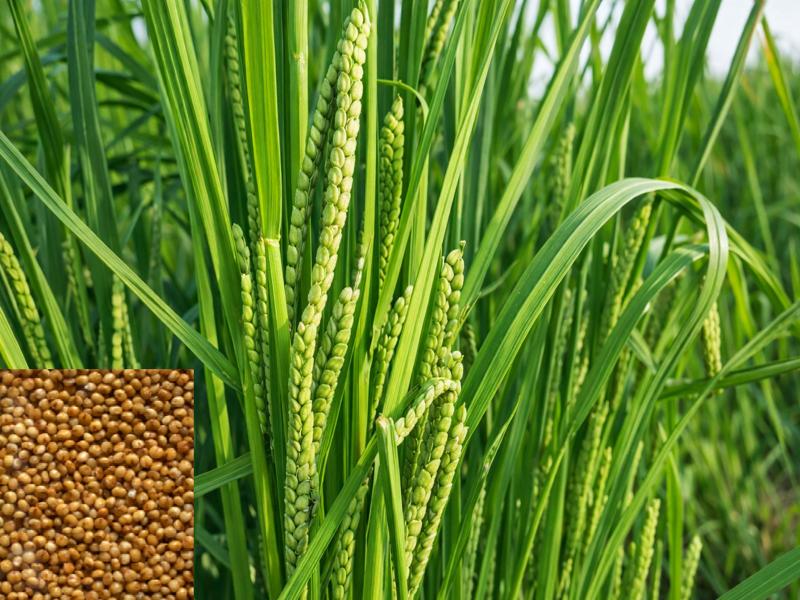
🌾 Kodo Farming: Full Information for High Profit in Low Cost
Kodo Ki Kheti is becoming a very good option for farmers in today’s time. It is a low-cost, low-water, and high-profit crop. Kodo is a drought-tolerant millet that gives good production even in low rainfall and light soil.
Looking at climate change and water shortage, Kodo is considered a future crop for Indian farmers.
This article is fully prepared on a per acre basis, so that farmer brothers can easily understand and earn more profit.
🌱 1️⃣ Crop Introduction – Kodo Millet
Kodo millet is a coarse grain. Its scientific name is Paspalum scrobiculatum. It was originally found in tropical Africa, but it has been grown in India for many centuries.
🔹 Main Features
- Gives production in low water
- Drought tolerant crop
- Good yield with less fertilizer
- Suitable for organic farming
- Increasing demand in the market
🌍 Major Growing States in India
- Madhya Pradesh
- Chhattisgarh
- Maharashtra
- Tamil Nadu
- Karnataka
- Arunachal Pradesh
💪 2️⃣ Health Benefits and Uses
🥗 Nutritional Elements
- High fiber
- Good source of protein
- Rich in iron and calcium
- Low glycemic index
❤️ Health Benefits
- Beneficial for diabetes patients
- Helps in weight control
- Improves digestion
- Good for heart health
- Gluten-free grain
🍽️ Uses
- Roti and porridge
- Khichdi
- Idli and dosa
- Animal feed
🔬 3️⃣ Scientific Classification – Scientific Classification
🌿 Classification Details
- Kingdom: Plantae
- Family: Poaceae
- Genus: Paspalum
- Species: Paspalum scrobiculatum
🌡️ 4️⃣ Climate and Temperature
☀️ Suitable Climate
- Hot and dry climate
- Monsoon-based farming
🌡️ Temperature
- 25 to 35 degree Celsius
- Can tolerate light heat
🌾 5️⃣ Soil Requirement
🌱 Suitable Soil
- Light loamy soil
- Gravelly soil
- Stony land
- Well-drained soil
⚖️ pH Level
- pH value between 5.5 to 7.5 is suitable
⚠️ Important Points to Remember
- There should be no water logging in the field
- Make proper field bunds for water drainage
🌱 6️⃣ Seeds and Improved Varieties
📍 For Madhya Pradesh
- RK 65 18
- JK 439
- RBK 155
- JK 65
- GPUK 3
📍 For Chhattisgarh
- Indira Kodo 1
- Indira Kodo 48
📍 For Tamil Nadu
- KMV 20
- CO 3
🏔️ For Hilly Areas
- VL 124
- VL 149
🌾 7️⃣ Seed Rate Per Acre
In Kodo Ki Kheti, maintaining the correct seed rate is very important. If you use too much seed, plants will become weak. If you use less seed, the field will remain empty. So always use balanced quantity.
🔹 For Direct Sowing
- 2.5 to 3 kg seed per acre
- In line sowing, 2.5 kg is enough
- In broadcasting method, up to 3 kg can be used
🔹 For Nursery Method (Transplanting Method)
- 800 grams seed per acre
- Prepare nursery in one marla area
- Plants become ready for transplanting in 20 to 25 days
🔹 Seed Germination Improvement Methods
- Soak seeds in water for 10 to 12 hours
- Mix 1 glass raw cow milk in 1 liter water
- After 12 hours, take out seeds and dry them after applying ash
- Treat seeds with Azospirillum and Aspergillus @ 25 grams per kg seed
🚜 8️⃣ Land Preparation
Good land preparation makes plant roots strong and increases yield.
🔹 Ploughing Management
- 1 deep ploughing with mould board plough
- 2 light ploughings with desi plough or cultivator
- Level the field properly with plank
🔹 Mixing Organic Manure
- 2 to 4 tons well-rotted cow dung manure per acre
- Mix it in the field 20 to 25 days before sowing
🔹 Drainage Arrangement
- Make bunds to ensure proper water drainage
- Water logging can cause root rot problem
🌱 9️⃣ Sowing Method
In Kodo Ki Kheti, proper spacing and seed depth are very important for good growth and yield.
🔹 Sowing Time
- From April to mid-May
- Or with first monsoon rain, from end of June to mid-July
🔹 Spacing and Depth
- Row to row distance: 1.5 to 2 feet
- Plant to plant distance: 8 to 10 cm
- Seed depth: 2 to 3 cm
🔹 Nursery Transplanting Method
- Use 20 to 25 days old seedlings
- Do transplanting in the evening time
- Plant 2 seedlings per pit
- Give light irrigation after transplanting
🌿 🔟 Manure and Fertilizer Management
Kodo gives good yield even with less fertilizer, but balanced nutrition is necessary.
🔹 Organic Manure
- 2 to 4 tons cow dung manure per acre
- Compost or vermicompost can also be used
🔹 Chemical Fertilizer Quantity Per Acre
- Nitrogen: 16 kg
- Phosphorus: 8 kg
- Potash: 8 kg
🔹 Application Method
- Apply half nitrogen and full phosphorus & potash at the time of sowing
- Apply remaining nitrogen after 30 days as top dressing
💧 1️⃣1️⃣ Irrigation Management
Kodo is a drought-tolerant crop. Giving too much water can be harmful.
🔹 Number of Irrigations
- Generally rainfed crop
- If needed, 1 to 2 irrigations are enough
🔹 Important Stages for Irrigation
- At the time of germination
- Light irrigation at flowering stage
🔹 Use of Organic Liquid Solution
- Mix Jaggery-based Jeevamrit or Waste Decomposer in 200 liters of water
- Apply per acre in the field
🌿 1️⃣2️⃣ Weed Control
In Kodo Ki Kheti, the first 40 days are very important. If weeds grow during this time, crop growth slows down and yield can reduce. So timely weeding is very necessary.
🔹 Why Weeds Are Harmful
- They steal nutrients from the soil
- They reduce soil moisture
- They stop plant growth
- They become shelter for insects and diseases
🔹 Right Time for Weeding
- First weeding: 15 days after sowing
- Second weeding: 35 to 40 days after sowing
- If needed, light third hoeing at 55 days
🔹 Methods of Weed Control
- Hand weeding with khurpi or hoe
- Use of wheel hoe or simple tools
- Line sowing makes weeding easy
- Mulching in early stage reduces weed growth
🔹 Special Advice
- Keep the field weed-free for first 40 days
- Do light hoeing immediately after rainfall
- In organic farming, avoid chemical herbicides
🐛 1️⃣3️⃣ Pest and Disease Management
Kodo is generally a low pest and low disease crop, but proper care is needed to avoid loss.
🔹 Possible Pests
- Shoot fly
- Stem borer
🔹 Possible Diseases
- Rust disease
- Leaf spot disease
🔹 Prevention Measures
- Always do seed treatment
- Avoid water logging
- Give balanced fertilizer
- Avoid excess irrigation
- Maintain good air circulation in the field
🔹 Organic Control Methods
- Spray neem-based solution
- Use buttermilk solution
- Apply Trichoderma or bio-fungicide
🔹 Important Note
Less water helps in better grain maturity and reduces disease chances. Too much water can cause lodging (plants may fall down).
⏳ 1️⃣4️⃣ Crop Duration
The duration of Kodo Ki Kheti depends on variety and climate conditions.
🔹 Average Duration
- 100 to 110 days for early maturing varieties
- 130 to 150 days for normal varieties
🔹 Important Growth Stages
- Germination stage: 5 to 7 days
- Tillering stage: 25 to 35 days
- Flowering and grain formation: 60 to 90 days
- Maturity stage: After 100 days
Proper and timely management improves grain quality and overall yield.
✂️ 1️⃣5️⃣ Harvesting Method
Harvesting at the right time keeps both grain weight and quality good.
🔹 Signs of Harvesting
- Ear heads change from green to yellow-brown color
- Grains become hard and shiny
- Moisture level becomes low
🔹 Harvesting Process
- Cut plants near the ground level
- Leave them in the field for 2 to 3 days to dry
- Make bundles and keep them in the threshing area
- Do threshing by thresher machine or with bullocks
- Clean the grains properly by winnowing
🔹 Precautions
- Weather should be dry at the time of harvesting
- Harvesting in moisture can cause fungus in grains
- Eating spoiled grains may cause food poisoning
📦 1️⃣6️⃣ Yield Per Acre
Yield mainly depends on seed quality, soil, nutrition, and proper care.
🔹 Normal Production
- 8 to 10 quintals grain per acre
🔹 With Improved Management
- 12 to 15 quintals per acre
🔹 Fodder Production
- 30 to 35 quintals green or dry fodder
With intercropping, farmers can also get extra 2 to 3 quintals of pulses production.
💰 1️⃣7️⃣ Market Price and Profit Per Acre
In Kodo Ki Kheti, profit directly depends on market rate and total production. Prices may vary in different states and markets. Here we understand calculation based on ₹1,600 and ₹2,500 per quintal.
🔹 Current Possible Market Price
- Minimum market price around ₹1,600 per quintal
- Good market price around ₹2,500 per quintal
- Organic or direct consumer selling can give even higher price
🔹 Income Calculation Example 1
If production is 10 quintals per acre:
👉 At ₹1,600 per quintal
- Total income = 10 × 1,600 = ₹16,000
👉 At ₹2,500 per quintal
- Total income = 10 × 2,500 = ₹25,000
🔹 Income Calculation Example 2
If production is 12 quintals per acre:
👉 At ₹1,600 per quintal
- Total income = 12 × 1,600 = ₹19,200
👉 At ₹2,500 per quintal
- Total income = 12 × 2,500 = ₹30,000
🔹 Income Calculation Example 3
If improved management gives 15 quintals production:
👉 At ₹1,600 per quintal
- Total income = 15 × 1,600 = ₹24,000
👉 At ₹2,500 per quintal
- Total income = 15 × 2,500 = ₹37,500
🔹 Estimated Cost Per Acre
- Seed cost: ₹1,000 to ₹1,500
- Ploughing and labour: ₹4,000 to ₹5,000
- Manure and nutrition management: ₹4,000 to ₹5,000
- Other expenses: ₹1,000
- Total estimated cost: Around ₹10,000 to ₹12,000
🔹 Estimated Net Profit
If production is 12 quintals and cost is ₹11,000:
👉 At ₹1,600 rate
- Total income ₹19,200
- Net profit around ₹8,000
👉 At ₹2,500 rate
- Total income ₹30,000
- Net profit around ₹19,000
If production is 15 quintals and rate is ₹2,500:
- Total income ₹37,500
- Cost ₹12,000
- Net profit around ₹25,500
🔹 Tips to Increase Profit
- Select improved varieties
- Do timely weeding and nutrition management
- Adopt organic farming
- Connect directly with buyers instead of only mandi or middlemen
- Store produce and sell when market price is high
With proper management and good market connection, Kodo Ki Kheti can become a low-risk and stable income crop for farmers. 🌾💰
🏪 1️⃣8️⃣ Storage Management
Proper storage keeps the grains safe for a long time.
🔹 Drying Method
- Dry the grains properly in sunlight
- It is necessary to dry up to 12% moisture level
🔹 Storage Arrangement
- Store in clean and dry bags
- Protect from moisture and insects
- Warehouse should be well ventilated
🔹 Safe Storage Period
- Can be safely stored for 12 to 13 months
If keeping for seed purpose, choose a dry and cool place.
🌾 1️⃣9️⃣ Intercropping System
In Kodo Ki Kheti, adopting an intercropping system helps farmers get double income from the same field. This method is especially useful in rainfed areas to reduce risk.
🔹 Suitable Intercrops
- Moong
- Urad
- Early variety of Arhar
- Sesame
🔹 Sowing Ratio
- Follow 2:1 ratio
(2 rows of Kodo and 1 row of pulses) - Keep row to row distance 1.5 to 2 feet
🔹 Benefits of Intercropping
- Extra income
- Increase nitrogen in soil
- Helps in weed control
- Reduces pest attack
- Ensures some production even in drought
🔹 Estimated Extra Income Per Acre
- 2 to 3 quintals extra production from Moong or Urad
- Around ₹6,000 to ₹12,000 additional income
Intercropping system is especially beneficial for small farmers.
🏛️ 2️⃣0️⃣ Government Schemes
The Government of India and state governments are promoting millets. Farmers doing Kodo Ki Kheti can take benefit of these schemes.
🔹 Major Schemes
- National Food Security Mission
- Millet Mission Program
- Minimum Support Price (MSP) Scheme
- Organic Farming Promotion Scheme
- Pradhan Mantri Krishi Sinchai Yojana
🔹 Benefits Available
- Subsidy on certified seeds
- Financial support for organic farming
- Training and technical guidance
- Marketing support through FPO
- In some states, procurement at support price
🔹 How to Apply
- Contact your local agriculture department or agriculture officer
- Complete farmer registration
- Submit application as per scheme
- Submit required documents on time
Taking benefit of government schemes reduces cost and increases profit.
❓ Frequently Asked Questions (FAQ)
1. Is intercropping necessary in Kodo Ki Kheti?
It is not compulsory, but intercropping gives benefit to both income and soil health.
2. Which pulse crop is best for intercropping?
Moong and Urad are the most suitable options.
3. Is there government procurement for Kodo?
In some states, there is a system to purchase at Minimum Support Price (MSP).
4. Does organic Kodo get higher price?
Yes, organic produce usually gets higher market value.
5. In how many days does Kodo crop become ready?
It becomes ready in 100 to 150 days.
6. Does excess water cause damage?
Yes, water logging can cause root rot.
7. What is the average profit per acre?
It can be around ₹24,000 to ₹33,000.
8. Can Kodo grow in hilly areas?
Yes, special varieties are available for hilly regions.
9. Is seed treatment necessary?
Yes, it improves germination and disease control.
10. Is Kodo a future crop?
Yes, due to health demand and low water requirement, it is an important future crop.
🎯 Conclusion
Kodo Ki Kheti is a low-cost, low-water, and low-risk crop. It is especially beneficial for farmers in rainfed areas and light soil regions.
If farmers follow correct seed rate, balanced fertilizer management, timely weeding, and proper harvesting, they can earn good profit per acre. By adopting intercropping system and taking benefit of government schemes, income can increase further.
In today’s time, when water shortage and climate change challenges are increasing, Kodo farming is a strong and safe option.
🌾 Work hard, use the right techniques, and increase your income with Kodo farming. 💚
👉 Click here to get detailed and useful information related to grain cultivation