


Apple Farming
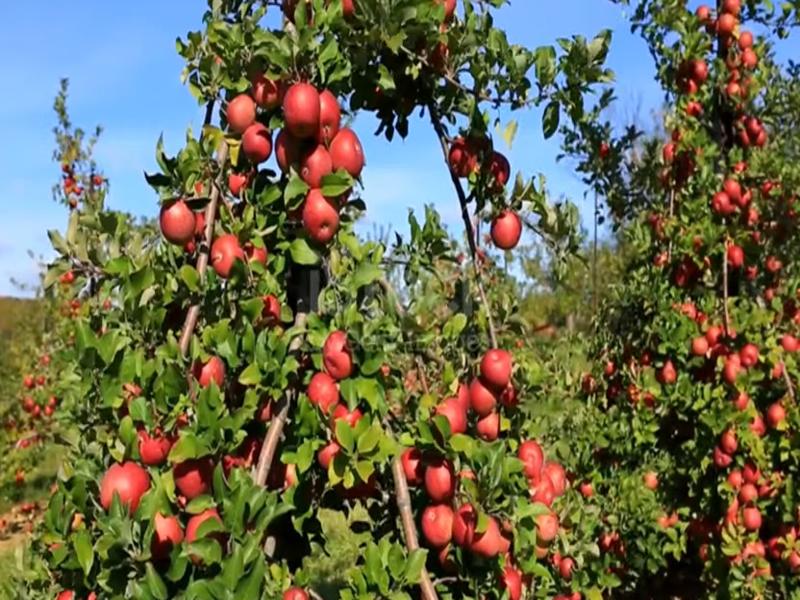
Apple Farming: Cost, Varieties, Yield and Profit Guide
Farming in India is no longer limited to traditional crops. Due to changing climate conditions, improved varieties, and scientific research, farmers are now moving rapidly toward horticulture. Among fruit crops, Apple Farming | Seb Ki Kheti has emerged as a new ray of hope for Indian farmers. Earlier, it was believed that apples could be grown only in cold hilly regions like Himachal Pradesh, Jammu and Kashmir, and Uttarakhand, but this perception has now changed.
Today, apple farming is being successfully adopted in plain and subtropical regions such as Uttar Pradesh, Bihar, Punjab, Haryana, Maharashtra, and Madhya Pradesh. This has become possible due to low chilling requirement apple varieties and modern cultivation techniques.
This blog is specially written for rural farmers in simple and easy English so that they can understand apple farming step by step and plan properly on a per acre basis to earn good income. The information shared here is based on research institutes and government references pasted
1. Importance and Future of Apple Farming
1.1 Why Choose Apple Farming
Apple farming offers many benefits
• Apples have strong market demand throughout the year
• Income per acre is much higher than traditional crops
• Once the orchard is established, production continues for many years
• Storage and transport losses are comparatively low
1.2 Future of Apple Farming in India
Apple consumption is increasing rapidly in India. With the introduction of new varieties suitable for warm regions, apple farming has a bright future and can become a strong source of income for farmers.
2. Botanical Introduction of Apple
2.1 Scientific Information
- Botanical name
Malus pumila - Family
Rosaceae - Centre of origin
Eastern Europe and Western Asia - Pollination system
Cross pollinated - Chromosome number
2n equals 34
2.2 Plant Description
Apple is a medium to large sized tree
• Average height is about 10 to 15 meters
• Leaves are green and grow in clusters
• Flowers are white
• Fruits are round and attractive in colour
3. Major Apple Growing Regions in India
3.1 Traditional Regions
- Jammu and Kashmir
- Himachal Pradesh
- Uttarakhand
3.2 Emerging Hill Regions
- Arunachal Pradesh
- Nagaland
- Sikkim
- Meghalaya
3.3 Plain and Warm Regions
- Uttar Pradesh
- Bihar
- Punjab
- Haryana
- Maharashtra
- Karnataka
- Madhya Pradesh
4. Suitable Climate for Apple Farming
4.1 Climate Requirement
Traditionally, apple required cold climate, but low chilling varieties have made cultivation possible in warmer areas.
• Traditional varieties need 450 to 500 chilling hours
• New varieties require only 250 to 300 chilling hours
4.2 Temperature
• Mild cold is required during flowering
• Moderate temperature is suitable during fruit development
• Protection from extreme heat and frost is necessary
5. Suitable Soil for Apple Farming
5.1 Soil Type
• Loamy soil is best
• Proper drainage is essential
• Waterlogged soil is not suitable
5.2 Soil pH
• Ideal pH range is 6 to 7
• Slightly acidic soil gives better results
6. Improved Apple Varieties
6.1 Varieties for Cold Regions
• Red Delicious
• Royal Delicious
• Golden Delicious
6.2 Varieties for Warm and Plain Areas
- Anna
- Dorset Golden
- HRMN 99
- Michael
- Parlin’s Beauty
- Tropical Beauty
- Petegill
- Tamma
6.3 Characteristics of Anna Variety
• Early bearing variety
• Suitable for warm climate
• Fruits mature in June
• Yellow base with red blush colour
• Self sterile variety
7. Role of Pollination
7.1 Importance of Pollination
Pollination is essential for good fruit set and higher yield.
7.2 Pollinizer Varieties
• Dorset Golden should be planted with Anna
• About 20 percent plants should be pollinizers
8. Preparation for Planting
8.1 Selection of Plants
• Purchase plants only from government or certified nurseries
• Select healthy and disease free plants
8.2 Pit Preparation
- Pit size
60 centimeter length
60 centimeter width
60 centimeter depth - Pit filling method
• Top soil
• Well decomposed farmyard manure
• Some sand if required
9. Plant Spacing and Number per Acre
9.1 Spacing
• 5 x 5 meters
• 6 x 6 meters
9.2 Plants per Acre
• Around 110 to 160 plants
• Depends on spacing and variety
10. Manure and Fertilizer Management
10.1 Organic Manure
• 15 kilograms of well rotted farmyard manure per plant
• About 2 to 3 tons per acre
10.2 Chemical Fertilizers
• Nitrogen
• Phosphorus
• Potash
• Apply based on soil testing
11. Irrigation Management
11.1 Irrigation Requirement
• Regular irrigation during early years
• Special care during fruit development
11.2 Irrigation Methods
• Drip irrigation is best
• Saves water and improves yield
12. Training and Pruning
12.1 Importance of Pruning
• Maintains proper tree shape
• Improves fruiting and quality
12.2 Time of Pruning
• Major pruning in November
• Light pruning in January
13. Pest and Disease Management
13.1 Major Pest
• Hair caterpillar
13.2 Pest Control
• Spray Dimethoate at 2 millilitre per litre of water
13.3 Major Disease
• Fruit rot
13.4 Disease Control
• Spray Carbendazim at 0.1 percent concentration
14. Harvesting of Apple Crop
14.1 Right Time of Harvesting
• Generally from September to October
• Anna variety matures in June
14.2 Maturity Indicators
• Change in fruit colour
• Fruits become firm and aromatic
15. Yield per Acre
15.1 Production
• Fruiting starts from the fourth year
• Yield per tree is 10 to 20 kilograms
15.2 Yield per Acre
• Around 1500 to 2500 kilograms
• Depends on management practices
16. Cost and Profit in Apple Farming
16.1 Estimated Cost
• Cost of plants
• Manure and fertilizers
• Irrigation
• Labour charges
16.2 Expected Profit
• Net profit per acre is many times higher
• Depends on market price and management
17. Precautions in Apple Farming
• Avoid waterlogging
• Use certified planting material
• Timely pest and disease control
• Always plant pollinizer varieties
18. Government and Research References
• Government of India agriculture portals
• Himachal Pradesh Agriculture Department
• Indian Institute of Horticultural Research
• Krishi Vigyan Kendra Portal
19. Frequently Asked Questions
1. Is apple farming possible in plain areas
Yes, with low chilling requirement varieties, apple farming is possible in plains.
2. How many years does apple farming take to give fruits
Fruit production starts from the fourth year.
3. How many apple plants are planted per acre
Around 110 to 160 plants per acre.
4. Which soil is best for apple farming
Loamy soil with good drainage is best.
5. When does Anna variety mature
It matures in the month of June.
6. Why is pollination important in apple farming
It is essential for better fruit set and higher yield.
7. What are the major pests in apple farming
Hair caterpillar is a major pest.
8. Which irrigation method is best for apple farming
Drip irrigation is the best method.
9. What are the risks in apple farming
Climate variation and pest management are the main risks.
10. How much profit can be earned from apple farming
With proper management, apple farming gives very good profit.
Conclusion
Apple Farming | Seb Ki Kheti is no longer limited to cold hilly regions. Due to new varieties, scientific methods, and government support, farmers from plain and warm regions can also successfully grow apples and increase their income. With proper planning, correct variety selection, and timely management, apple farming can bring long term economic stability to Indian farmers.
Adopt modern farming, use scientific knowledge, and move towards a prosperous future.
👉 Reference Source:
- Krishi Vigyan Kendra Portal
- For more information on fruit farming, visit this website.