

India as Global Natural Farming Hub
India Will Become a Global Hub for Natural Farming – PM Modi’s Vision and a New Path for Farmers
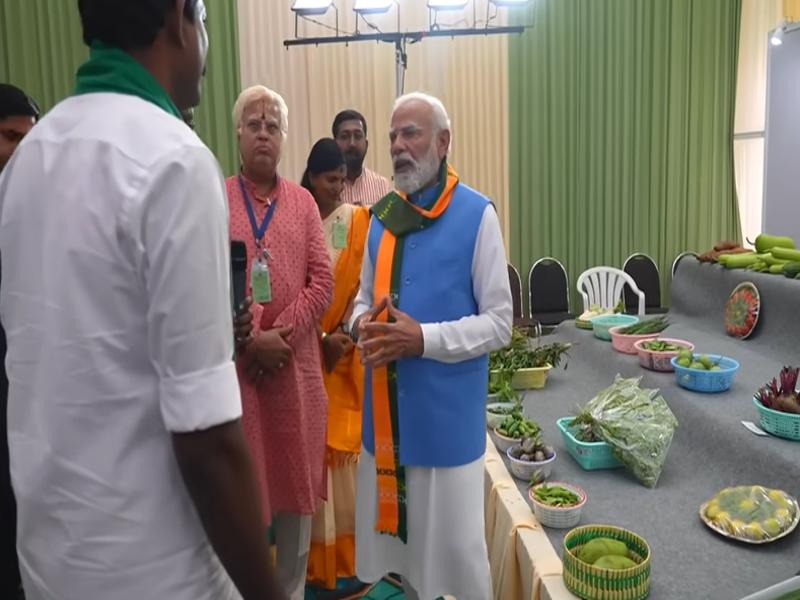
Natural farming today is not just a method of cultivation – it is the future of agriculture. At the South India Natural Farming Summit 2025 held in Coimbatore, Prime Minister Narendra Modi announced that India is moving rapidly toward becoming the global hub for natural farming.
He emphasized that in the 21st century, natural farming is a necessity, especially to restore the health of soil damaged by excessive chemical usage. PM Modi highlighted the importance of blending traditional knowledge, modern scientific methods, and strong government support to make agriculture more profitable and sustainable.
In this detailed blog, we explore PM Modi’s vision, the opportunities for farmers, the national need for natural farming, government efforts, and how every farmer can benefit from this movement.
Why Natural Farming Is the Need of the 21st Century
Soil health restoration is the biggest reason
Over the years, excessive chemical fertilizers and pesticides have led to several problems:
- Loss of soil fertility
- Decrease in natural resistance to pests and diseases
- Reduction in organic carbon
- Negative impact on groundwater and environment
PM Modi stated that natural farming helps revive soil, ensuring long-term benefits for farmers.
PM Modi’s Vision – Making India a Global Agricultural Leader
During the summit, PM Modi explained:
- Natural farming is not just tradition; it is the scientifically proven agriculture of the future.
- India has a strong foundation of traditional practices, and now is the time to support them with modern science.
- Educated youth adopting agriculture and modern technologies is a positive trend that will transform Indian farming.
Government Efforts and Benefits for Farmers
35,000 hectares under natural farming in Tamil Nadu
The National Mission on Natural Farming has already impacted lakhs of farmers.
In Tamil Nadu alone, 35,000 hectares have been converted to natural and organic farming.
21st installment of PM-Kisan released
- ₹18,000 crore transferred directly to farmers
- ₹4 lakh crore released so far under PM-Kisan
- Strengthens financial security for small farmers
₹10 lakh crore support under Kisan Credit Card
Support extends to farming, livestock, fisheries, and allied activities.
GST reduction on bio-fertilizers
This significantly lowers the cost of natural farming inputs.
Key Recommendations by PM Modi for Farmers
Start with just 1 acre
PM Modi urged farmers:
“Start natural farming on just 1 acre of land every year. Based on the results, expand it gradually.”
Adopt multi-crop farming instead of monoculture
Hill regions of Kerala and Karnataka show excellent results with mixed cropping, which:
- Reduces risk
- Increases total productivity
Strengthen FPO involvement
PM Modi appealed to states to use the power of FPOs to promote natural farming, especially for minor millets.
Honoring the Legacy of Dr. G. Nammalvar
The summit was organized to honor the contributions of organic farming pioneer Dr. G. Nammalvar.
PM Modi praised his lifelong dedication and said that natural farming will now move forward with new energy.
Organic farmers were honored, and PM Modi encouraged scientists to:
- Include natural farming in academic curriculum
- Treat farmers’ fields as living laboratories for research
Major Benefits of Adopting Natural Farming
1. Significant reduction in farming cost
- Almost no expense on chemical fertilizers
- Cow-based inputs are easily available
2. Improved soil fertility
- Increase in organic carbon
- Revival of soil microorganisms
3. Better crop quality
- More nutritious
- Healthier and safe
- Higher market value
4. Environmental benefits
- Less water pollution
- Better soil and air quality
5. Huge export potential
The global demand for organic products is rising quickly, and India can emerge as a leading exporter.
The Future of Natural Farming in India
According to PM Modi:
- India will emerge as the global center of natural farming
- Science and tradition will together create new agricultural innovations
- Youth, women, and small farmers will drive this mission
- Natural farming will make Indian agriculture sustainable and profitable
FAQs – 10 Common Questions About Natural Farming
Q1. What is natural farming?
Natural farming is a cultivation method where crops are grown without chemical fertilizers or pesticides, using only organic and natural inputs.
Q2. Does natural farming reduce crop yield?
Initially, yield may vary slightly, but after 2–3 seasons, production becomes stable and often improves.
Q3. Can small farmers adopt natural farming?
Yes, it is highly beneficial for small farmers because the cost of production is very low.
Q4. What is the role of cows in natural farming?
Cow-based solutions like Jeevamrut and Ghan Jeevamrut enhance soil life and protect crops naturally.
Q5. Do farmers need special training?
Basic training is helpful, and the government along with FPOs is providing support.
Q6. Do natural products earn higher prices?
Yes, organic and natural products often sell at premium prices in both local and international markets.
Q7. Does natural farming help save water?
Yes, soil under natural farming retains moisture for longer periods.
Q8. Are government schemes available?
Yes, PM-Kisan, KCC support, GST reduction on bio-fertilizers, and other schemes benefit farmers.
Q9. Can I start with only 1 acre?
Yes, and this is exactly what PM Modi has recommended.
Q10. What impact does it have on soil?
It increases soil organic matter, promotes earthworms, and boosts natural fertility.
Conclusion – A Motivational Message to Indian Farmers
Dear farmers,
Natural farming is not just a technique – it is a movement to protect our land, increase income, and secure a healthy future for the coming generations. It is simple, cost-effective, and highly beneficial.
PM Modi’s vision inspires us to believe that India can become the world leader in sustainable agriculture.
All we need is a small beginning – Start with just 1 acre of natural farming.
Your step will strengthen India’s soil, environment, and economy.
Let us together make India the global hub of natural farming!