


Makhana Farming
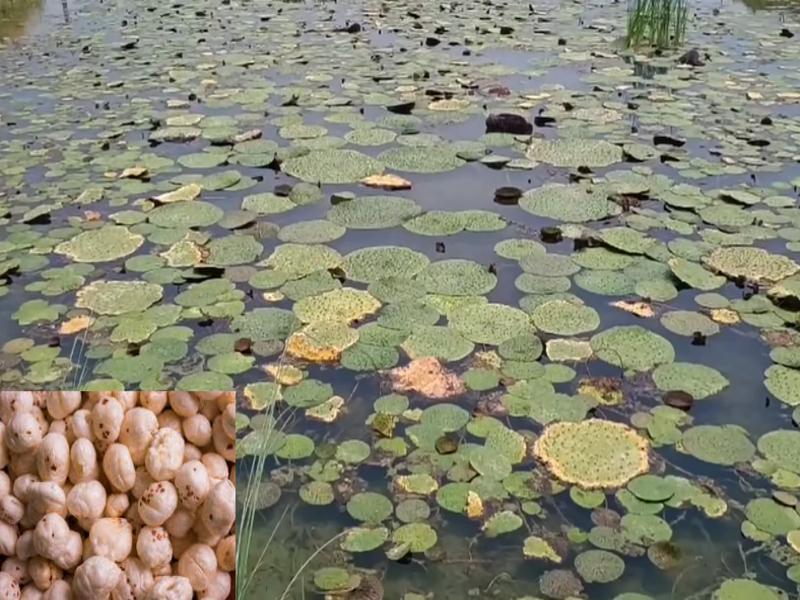
Why Makhana Farming is Becoming a Profitable Opportunity?
Friends, today we are discussing Makhana Farming (Fox Nut Cultivation) which the Uttar Pradesh government is now promoting at a large scale. Makhana is a highly nutritious superfood, used for snacks, sweets and Ayurvedic medicines. Currently, it is mainly cultivated in Bihar, but now Uttar Pradesh is ready to become the next major Makhana production hub.
To support farmers, the UP government has launched Makhana Vikas Yojana, under which ponds will be developed, farmers will receive training, and marketing support will be provided along with the establishment of a Center of Excellence for Makhana. With proper guidance, farmers can earn high income per acre from this crop.
What is the Makhana Development Scheme?
The objective of the scheme is to connect farmers with high-value crops and increase their income. After the formation of the National Makhana Board in 2025, this project is being implemented in 10 states, including Uttar Pradesh.
Fund Allocation:
- ₹158 lakh approved for implementation in FY 2025-26
- Activities covered under the scheme:
✓ Pond selection & construction
✓ Farmer training & field demonstrations
✓ Buyer-seller meets for direct market link
✓ Promotion through Makhana Pavilion
✓ Participation in international trade fairs
✓ District & state-level seminars
✓ Development of Makhana Center of Excellence
Districts Suitable for Makhana Production in Uttar Pradesh
Regions with waterlogged land hold the best potential for Makhana cultivation. Districts identified for large-scale production:
- Kushinagar
- Siddharthnagar
- Ghazipur
- Ballia
- Maharajganj
- Varanasi
- Basti
Where waterlogged ponds or Singhara (water chestnut) farming is possible, Makhana farming can also be successful.
Per Acre Makhana Farming Cost, Yield & Profit Analysis
| Category | Per Acre Estimate |
|---|---|
| Pond construction/renovation | ₹1,50,000 – ₹2,50,000 (one-time investment) |
| Seed/Planting material | ₹25,000 – ₹40,000 |
| Labour & maintenance | ₹20,000 – ₹35,000 |
| Total estimated cost | ₹2,00,000 – ₹3,20,000 |
| Yield per acre | 10 – 14 quintals |
| Selling price | ₹600 – ₹1,200 per kg |
| Estimated Gross Income | ₹6,00,000 – ₹14,00,000 |
| Net Profit | ₹4,00,000 – ₹10,00,000 per acre |
With government subsidies, total cost reduces and profit margin increases significantly.
How to Start Makhana Farming? (Step-by-Step Guide)
Farm Preparation
- Select a field where water remains stagnant for months
- If no pond exists, construct a pond of 1 acre, depth 6-8 feet
- Clay/loamy soil gives the best result
Seed Selection & Planting
- 10-12 kg good quality Makhana seed required per acre
- Soak seeds for 24 hours before sowing
- Maintain water depth of 3-4 feet
Irrigation & Care
- Maintain stable water level
- Regular weeding and cleaning
- Pest attack is generally low; organic farming possible
H3: Harvesting & Processing
- Crop becomes ready in 5-6 months
- Seeds are collected, dried, roasted & polished
- Value addition increases selling price
Health Benefits of Makhana
- Rich in protein & antioxidants
- Good for diabetes & heart patients
- Supports weight loss
- Strengthens kidney health
- Highly demanded in domestic and export markets
The health benefits are the major reason behind its rapidly growing global demand.
Benefits to Farmers Under Government Scheme
- Technical training and exposure programs
- Subsidy on pond development
- Market access through buyer-seller meets
- Export opportunity & brand promotion
- Processing and value addition support
This will reduce cost and increase farmer income.
FAQs: Frequently Asked Questions About Makhana Farming
1. What is the most important requirement for Makhana farming?
➡ Waterlogged area or pond is essential.
2. How much does Makhana farming cost per acre?
➡ Around ₹2 to ₹3.2 lakh including pond preparation.
3. How much profit can be earned?
➡ Farmers can earn ₹4 to ₹10 lakh profit per acre annually.
4. Best time for plantation?
➡ May to July is ideal for sowing.
5. Crop harvesting time?
➡ Approximately 5-6 months.
6. Can new farmers get training?
➡ Yes, government will provide training through the scheme.
7. Can Makhana be grown organically?
➡ Yes, it naturally requires low chemicals.
8. Is pond construction mandatory?
➡ In most cases yes, unless natural waterlogging exists.
9. Where can farmers sell Makhana?
➡ Through buyer-seller meets, exporters, wholesalers & online platforms.
10. Is Makhana farming risky?
➡ Low risk if water level is maintained.
A Great Opportunity for Indian Farmers
Makhana farming can become a game-changing crop for Indian farmers. With government support, training, and direct market connections, it is a perfect option for farmers seeking high income per acre. If you have land suitable for water storage or ponds, shifting to Makhana cultivation can bring excellent financial returns.
This is the right time – adopt new crops, grow your income, and build a prosperous future.
More details available here: (website )
👉 For more detailed farmer-related news, click here and read full information.