


Cardamom Farming
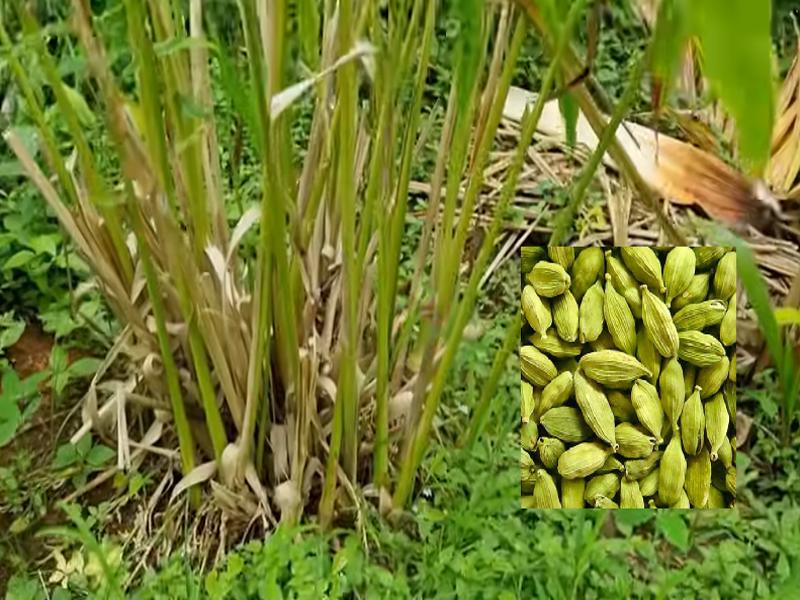
🌱 Earn Lakhs from Cardamom Farming | Complete Guide for Farmers
“This is not just farming – it’s a simple way to grow your bank balance. Let’s learn how cardamom can fill your pockets!”
In India, cardamom is often called the “Queen of Spices.” It not only adds fragrance and flavor to food but also provides excellent profit opportunities for farmers.
Today, cardamom farming has become one of the most profitable cash crops, with strong demand both in domestic and international markets, ensuring stable and high prices throughout the year.
🌾 Why Choose Cardamom Farming?
Indian farmers are increasingly shifting from traditional crops to high-value crops that can generate better income from smaller plots of land.
Cardamom is one such crop that, with proper care and ideal conditions, can earn lakhs of rupees annually.
Major Benefits:
- High market price
- Strong demand in India and abroad
- Long-term production capacity
- Medicinal and culinary uses
🏔️ Suitable Climate for Cardamom Farming
Cardamom thrives in tropical and subtropical climates with high humidity and well-distributed rainfall.
Ideal conditions:
- Temperature: 10°C – 35°C
- Annual rainfall: 1,500 – 3,000 mm
- Altitude: 600 – 1,200 m above sea level
- Relative humidity: 70 % or higher
Major producing states in India: Kerala, Karnataka, Tamil Nadu, Sikkim, and some parts of the North-East.
🌍 Best Soil for Cardamom Cultivation
Cardamom grows best in fertile, loamy, well-drained soils rich in organic matter and moisture.
Ideal soil types:
- Black loam or laterite soil
- pH: 5.0 – 7.0
- High organic content
- Good drainage and moisture retention
🚜 Field Preparation
Proper land preparation is key to a successful cardamom plantation.
Steps to prepare the field:
- Plough the land 3–4 times for fine tilth.
- Remove weeds, stones, and debris.
- Apply 12–15 tons of farmyard manure per hectare during the last ploughing.
- Maintain soil moisture and drainage.
- In hilly areas, use terrace farming to prevent waterlogging.
🌿 Improved Varieties of Cardamom
India mainly grows two types of cardamom:
- Green Cardamom (Small Cardamom – Elettaria cardamomum)
- Black Cardamom (Large Cardamom – Amomum subulatum)
Popular Green Cardamom Varieties:
- Alleppey Green Cardamom
- SFT Green Cardamom
- Crystal Green Cardamom
- Bold Whole Green
Popular Black Cardamom Varieties:
- Amomum subulatum
- Amomum tsao
🌼 Sowing Time for Cardamom
The sowing time varies by region and climate.
- Kerala & Tamil Nadu: November – January
- Karnataka: September – October
- North-East India: June – July
The monsoon season is considered best because it ensures adequate soil moisture and reduces irrigation needs.
🌱 Seed Rate and Nursery Preparation
Seed requirement: 600 grams – 1 kg per hectare
Nursery method:
- Sow seeds in shaded nursery beds.
- Germination starts after about 30 days.
- When seedlings have 3–4 leaves, transfer them to a secondary nursery.
- Keep the soil moist but not waterlogged.
🌾 Planting and Propagation Techniques
Cardamom can be propagated through seeds or rhizomes.
Planting is usually done at the onset of the monsoon.
Spacing and pit size:
- Plant-to-plant spacing: 1.5 m
- Pit size: 60 cm × 60 cm × 60 cm
Mulching:
Apply dry leaves or organic mulch around plants to conserve moisture and control weeds.
💧 Irrigation and Fertilizer Management
Irrigation:
Provide regular irrigation, especially during dry months. Avoid water stagnation.
Fertilizer schedule (per acre):
- Nitrogen: 30–35 kg
- Phosphorus: 40–45 kg
- Potash: 60–65 kg
Apply fertilizers twice a year – once in June–July and again in October–November.
Use organic manures like compost, cow dung, and vermicompost to maintain soil fertility.
🐛 Pest and Disease Control
Common pests and diseases include:
- Thrips
- Shoot borer
- Root rot
- Leaf-spot disease
Natural control measures:
- Neem-oil spray
- Trichoderma-based bio-fungicides
- Regular weeding and field inspection
🌿 Harvesting and Yield
Harvesting time:
Pick pods when they turn plump and deep green. Harvesting usually occurs from October to November.
Harvest frequency: Every 15–25 days.
Average yield:
- 500 – 700 kg per hectare
- 80 – 150 kg per acre
- One mature plant yields about 1–2 kg of cardamom annually.
🏭 Post-Harvest Processing and Drying
The quality of cardamom largely depends on how it’s dried after harvesting.
Drying methods:
- Sun drying
- Mechanical drying
- Electric or controlled-temperature dryers
Proper drying preserves color, aroma, and flavor, helping the product fetch a premium price in the market.
💰 Profit from Cardamom Farming
Initial investment for one acre of land: ₹1 – 1.5 lakh
Expected annual income: ₹4 – 6 lakhs
Why it’s profitable:
- Constant demand and strong export market
- High-value cash crop
- Productive lifespan of 5–10 years
🇮🇳 Cardamom Production in India
India is one of the largest cardamom producers in the world.
Major producing states: Kerala, Tamil Nadu, and Karnataka.
Cardamom is exported to the Middle East, Europe, and Southeast Asia.
🌿 Medicinal and Commercial Uses of Cardamom
Cardamom isn’t just a spice – it’s also a medicinal herb.
Key uses:
- Improves digestion
- Removes bad breath
- Relieves cough and cold
- Adds aroma to tea, sweets, and beverages
❓ Frequently Asked Questions (FAQs)
1. How many types of cardamom are there?
Two main types: Green (Small) and Black (Large) cardamom.
2. What climate is best for cardamom farming?
Areas with 1,500–2,500 mm rainfall and 15°C–35°C temperature range.
3. How is cardamom cultivated?
Prepare fertile soil, plant seedlings with spacing, irrigate regularly, and control pests.
4. Which are the best cardamom varieties?
Alleppy, Mysore, Malabar, and Vazhukka.
5. When should cardamom be sown?
During the monsoon season – July to October.
6. How long does cardamom take to germinate?
Seeds germinate in about 30 days; seedlings are ready for transplanting in 90 days.
7. How long does it take to produce cardamom pods?
Plants start yielding pods in 2–3 years.
8. How many plants per acre?
Approximately 400–450 plants per acre.
9. What is the average yield per hectare?
About 500–750 kg, depending on soil and variety.
10. How is cardamom dried after harvest?
Pods are dried in the sun or by mechanical dryers to retain aroma and color.
🌾 Conclusion
Cardamom farming can be a game-changer for Indian farmers who wish to earn more from less land.
With proper climate, good soil, and timely care, this “Queen of Spices” can significantly increase farmers’ income and prosperity.
If you are planning to start a high-profit crop, cardamom farming can truly be your golden opportunity to grow wealth naturally.
🌿 Motivational Note:
“Farming isn’t just about cultivating land – it’s about cultivating your future.
Grow cardamom and grow prosperity!” 🌱💰
👉 Explore detailed guides on other spices farming – click here to read more