


Terrace Farming
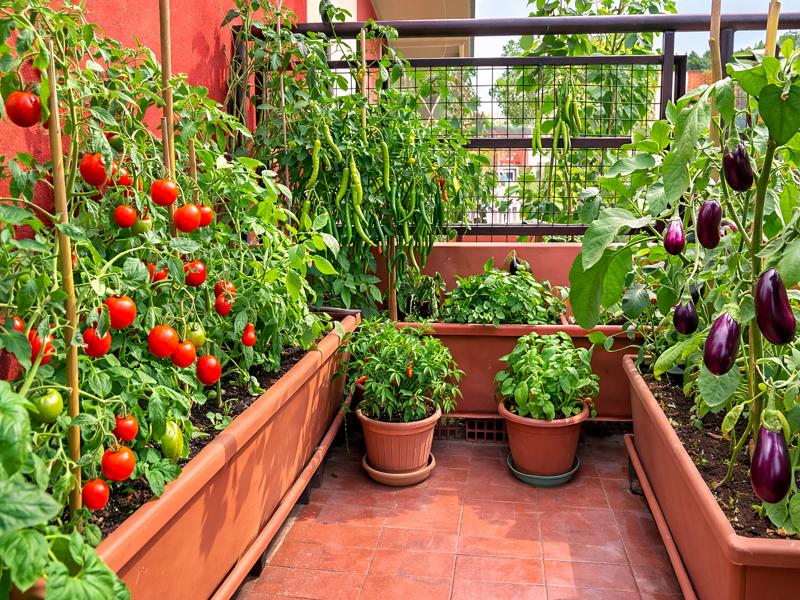
Terrace Farming Complete Guide – How to Start Farming on 1000 sq ft Roof in India
Nowadays in cities the space is becoming less and it is also becoming difficult for people to get pure and organic vegetables. Because of this reason Terrace Farming (roof farming) is becoming very popular.
Terrace farming means growing vegetables, fruits and herbs on the roof of your house using pots, grow bags or containers. With this you can get fresh and chemical-free vegetables, and if it is done properly then it can also give good extra income.
In this article we will understand in detail how to start terrace farming on a 1000 sq ft roof in India, what preparation is needed, which crops should be planted and how income can be generated from it.
1. What is Terrace Farming
Terrace farming is a type of urban farming in which farming is done on the roof of the house. In this method vegetables, fruits and herbs are grown using pots filled with soil, grow bags, trays or raised beds.
This type of farming is very useful especially for people living in cities because:
- Farms are not available in cities
- People want fresh and organic vegetables
- The roof of the house usually remains unused
If your house roof has 500 to 1000 sq ft space, you can easily start terrace farming.
2. Why Do Terrace Farming
Terrace farming has many benefits.
2.1. Organic Vegetables
You can grow vegetables yourself without using chemicals.
2.2. Saving Money
The cost of buying vegetables from the market becomes less.
2.3. Extra Income
If the production is high, you can earn money by selling vegetables.
2.4. Good for Environment
Plants on the roof reduce the temperature of the house and keep the environment clean.
2.5. Mental Peace
Spending time with plants reduces stress.
3. What to Check Before Starting Terrace Farming
Before starting terrace farming it is important to check some things.
3.1. Roof Strength
The roof should be strong enough to carry the weight of soil and water.
3.2. Waterproofing
Water may fall on the roof during farming, so it is good to apply waterproof coating on the roof.
3.3. Sunlight
Most vegetables need at least 5 to 7 hours of sunlight daily.
3.4. Water Facility
There should be a proper water supply on the roof.
3.5. Drainage System
Water should not collect, so every container should have holes.
4. Essential Materials for Terrace Farming
To start terrace farming you need some basic things.
4.1. Grow Bags or Pots
Most commonly used containers:
- Grow bags
- Plastic pots
- Cement pots
- Buckets
- Drums
4.2. Soil Mixture
Light and fertile soil is necessary for plants.
4.3. Seeds or Plants
You can buy plants from a nursery or grow them from seeds.
4.4. Gardening Tools
- Watering can
- Spray bottle
- Gloves
- Hand tools
5. Best Soil Mix
The correct soil mix is very important for terrace farming.
A good mixture can be:
- 40% Garden Soil
- 30% Vermicompost
- 20% Cocopeat
- 10% Sand
This mixture is light and provides good air and nutrition to plant roots.
6. 1000 sq ft Terrace Layout Plan
If you have a 1000 sq ft roof, it can be divided like this:
| Area | Use |
|---|---|
| 300 sq ft | Leafy vegetables |
| 300 sq ft | Fruiting vegetables |
| 200 sq ft | Vine vegetables |
| 100 sq ft | Herbs |
| 100 sq ft | Walking space |
With this organized farming, maintenance becomes easier.
7. Best Vegetables for Terrace Farming
In the beginning you should plant crops that grow easily.
7.1. Leafy Vegetables
- Spinach
- Coriander
- Fenugreek
- Lettuce
7.2. Common Vegetables
- Tomato
- Chilli
- Brinjal
- Cabbage
7.3. Vine Vegetables
- Bottle gourd
- Bitter gourd
- Cucumber
- Pumpkin
7.4. Herbs
- Mint
- Tulsi
- Lemongrass
8. Seed Planting Process
In terrace farming it is very important to follow the correct technique of planting seeds. If seeds are planted properly, plants grow fast and healthy.
8.1. Prepare the Container
First fill the grow bag or pot with soil mix. Do not fill soil completely, leave about 2–3 cm space.
8.2. Make Soil Slightly Wet
Before planting seeds make the soil slightly moist.
8.3. Seed Depth
Most vegetable seeds should be planted 1–2 cm deep.
8.4. Keep Distance Between Seeds
Do not plant seeds very close to each other.
8.5. Cover With Light Soil
After planting seeds cover them with light soil.
8.6. Water Lightly
Pour water slowly so that seeds do not come out.
8.7. Germination
Most seeds germinate in 5–10 days.
9. Transplanting Plants
Some plants are first grown in seedling trays instead of directly planting in pots.
Examples:
- Tomato
- Chilli
- Brinjal
- Cabbage
When plants become 10–15 days old and have 3–4 leaves, they can be transplanted into bigger pots.
Important points during transplanting:
- Do not damage the roots
- Give light watering after transplanting
10. Correct Watering Method
Proper irrigation is very important in terrace farming.
Main rules for watering:
- Water in the morning or evening
- Do not give too much water
- Water only when soil looks dry
In summer plants may need water daily, while in winter watering every 2–3 days is enough.
If your setup is big, you can install a Drip Irrigation System. It saves water and gives the correct amount of water to plants.
11. Mulching
Mulching is a very important technique in terrace farming. Mulching means covering the soil surface with natural materials to maintain moisture and protect plant roots.
Materials used for mulching:
- Dry grass
- Dry leaves
- Coconut husk
- Wood dust
- Straw
Benefits of Mulching
11.1. Maintains Soil Moisture
Soil does not dry quickly and plants need less water.
11.2. Reduces Weeds
Unwanted weeds grow less.
11.3. Protects Plant Roots
In summer it prevents soil from overheating and in winter protects roots from cold.
11.4. Improves Soil Quality
Natural mulch slowly decomposes and provides nutrients.
Mulching is especially useful during summer season.
12. Organic Fertilizers
To keep plants healthy and strong, organic fertilizers should be given regularly. Organic fertilizers provide natural nutrition and improve soil fertility.
It is good to give fertilizer every 10–15 days.
Best Organic Fertilizers
12.1. Vermicompost
This fertilizer is made by earthworms and is very nutritious for plants.
12.2. Cow Dung Manure
A traditional natural fertilizer that improves soil quality.
12.3. Mustard Cake Fertilizer
Provides nitrogen and increases plant growth.
12.4. Banana Peel Fertilizer
Banana peels contain potassium which helps in fruit and flower formation.
12.5. Kitchen Waste Compost
Good fertilizer can be made from vegetable and fruit peels at home.
13. Pest and Disease Control
In terrace farming pest and disease control is very important. Plants grown on the roof can get small insects, fungus or other diseases. If not controlled on time, plant growth may stop and production may decrease.
It is better to use natural and organic pesticides instead of chemical medicines.
Natural Pest Control Methods
13.1. Neem Oil Spray
Neem oil is a natural pesticide that controls insects like aphids, whiteflies and mites.
13.2. Garlic Spray
Crushed garlic mixed with water can keep harmful insects away.
13.3. Chilli Spray
A mixture of chilli and garlic helps in controlling pests.
13.4. Soap Water Spray
Light soap water spray helps remove small insects.
Important Tips
- Spray once every 7–10 days
- Spray in the morning or evening
- Spray under the leaves where insects usually hide
14. Plant Support System
Some plants grow like vines or grow upward. These plants need support so that they can grow properly.
Plants that need support:
- Tomato
- Cucumber
- Bottle gourd
- Bitter gourd
- Pumpkin
Methods to Support Plants
14.1. Bamboo Sticks
Insert bamboo sticks in the pot to support plants.
14.2. Trellis System
Plastic or iron mesh can help vine plants grow upward.
14.3. Rope Support
Ropes tied on the roof help plants climb upward.
Proper support helps plants get good sunlight and air.
15. Regular Maintenance
For success in terrace farming regular care is necessary. Daily small maintenance keeps plants healthy and increases production.
Important daily activities:
- Water plants according to need
- Remove dry and yellow leaves
- Loosen the soil slightly from time to time
- Inspect plants regularly to detect problems early
16. Harvesting
When plants are fully grown they are harvested. Many vegetables in terrace farming become ready very quickly.
| Crop | Harvest Time |
|---|---|
| Fenugreek | 20 days |
| Spinach | 25 days |
| Coriander | 30 days |
| Cucumber | 45–50 days |
| Tomato | 65–70 days |
Harvesting at the correct time helps plants produce new fruits or leaves again.
17. Estimated Cost of Terrace Farming
If you start terrace farming on 1000 sq ft roof, the initial cost may be:
| Item | Estimated Cost |
|---|---|
| Grow bags | ₹6000 |
| Soil + Compost | ₹8000 |
| Seeds | ₹1500 |
| Drip irrigation | ₹4000 |
| Gardening tools | ₹1500 |
Total investment may be around ₹20,000 – ₹25,000.
18. Monthly Production
If terrace farming is done with proper planning and care, it can give good production. From 1000 sq ft terrace farming, you can get a good amount of vegetables every month.
On average:
150 to 200 kg vegetables per month
Production depends on:
- Type of crop
- Weather
- Soil and fertilizer quality
- Regular plant care
Example production:
| Crop | Estimated Production |
|---|---|
| Leafy vegetables | 60–80 kg |
| Tomato | 40–50 kg |
| Cucumber | 30–40 kg |
| Other vegetables | 30–40 kg |
Total production can reach 150–200 kg per month.
19. Income from Terrace Farming
Nowadays the demand for organic vegetables is increasing rapidly. People are becoming more health conscious and prefer chemical-free vegetables.
Average organic vegetable price:
₹50 to ₹120 per kg
Example:
If your terrace farm produces 200 kg vegetables per month and you sell them at ₹70 per kg:
200 × 70 = ₹14,000 per month
If you grow premium vegetables like:
- Cherry tomato
- Colored capsicum
- Lettuce
- Microgreens
Income can increase to ₹20,000 – ₹35,000 per month.
20. Where to Sell Vegetables
There are many good options to sell terrace farm vegetables.
Selling Methods
20.1. Local Market
Sell vegetables in nearby markets.
20.2. Society or Apartment
Sell fresh vegetables directly to nearby residents.
20.3. WhatsApp Groups
Many people sell organic vegetables through WhatsApp groups.
20.4. Social Media
Create pages on Instagram and Facebook to find customers.
20.5. Organic Stores
Some organic food stores buy vegetables from local farmers.
Selling directly to customers gives more profit.
21. How to Make Terrace Farming a Business
If you want to make terrace farming a business instead of just a hobby, you can expand it slowly.
Ways to Grow the Business
21.1. Microgreens Farming
Microgreens grow very fast and have high market price.
21.2. Hydroponic Farming
Plants are grown without soil and production is higher.
21.3. Mushroom Farming
Profitable business in small space.
21.4. Nursery Business
You can sell small plants.
21.5. Garden Consultancy
You can earn by advising people to build terrace gardens.
These options can make terrace farming a stable income source.
22. Important Tips for Terrace Farming
While starting terrace farming remember these points:
- Start at a small level
- Ensure plants get enough sunlight
- Give water and fertilizer regularly
- Use natural pest control
- Take regular care of plants
Following these points increases the chances of success.
Conclusion
Terrace farming has become a very useful solution for cities today. People can grow fresh and organic vegetables on their own roof.
It is not only good for health but also beneficial for the environment. With proper planning, good soil, organic fertilizers and regular care, anyone can easily start terrace farming.
If done properly, terrace farming can become not only a hobby but also a successful small agriculture business.
👉 For more detailed information on technical farming, click here