


Mango Farming
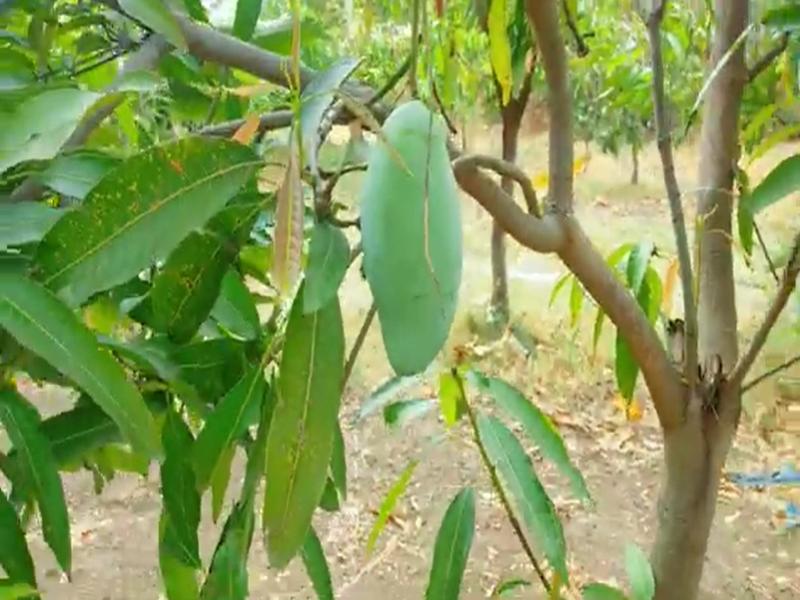
🍋 Mango Farming Guide: Soil, Climate, Diseases & Yield
Mango is known as the “King of Fruits” in India. Its sweetness, aroma, and taste make it a favorite among people of all ages. Mango farming is done in almost every part of India and has become a profitable business for farmers.
Mangoes are not only consumed as ripe fruits but also used in various forms like pickles, chutneys, drinks, jams, jellies, and syrups made from raw mangoes. Mango is a rich source of vitamin A and B, providing both energy and nutrition to the body.
🌦️ Soil and Climate
Mango cultivation is suitable for both tropical and subtropical climates. It grows successfully up to 600 meters above sea level.
- Ideal Temperature: 23.8°C to 26.6°C
- Best Soil: Loamy soil with good drainage
- Avoid: Sandy, rocky, alkaline, or waterlogged soils
- Drainage: Proper drainage is essential for healthy growth
🌱 Improved Mango Varieties
India is home to many famous mango varieties, each with a unique taste, color, and aroma.
Traditional Popular Varieties:
- Dashehari
- Langra
- Chausa
- Fajri
- Bombay Green
- Alphonso (Hapus)
- Totapuri
- Himsagar
- Kishanbhog
- Neelam
- Suvarnarekha
- Vanraj
Newly Developed High-Yielding Varieties:
- Mallika
- Amrapali
- Dashehari-5
- Dashehari-51
- Ambika
- Gaurav
- Rajiv
- Saurav
- Ramkela
- Ratna
These new hybrids are more productive, disease-resistant, and have a better fruiting capacity.
🕳️ Pit Preparation and Plantation
The best time for planting mango trees is during the monsoon season (July–August).
Pit Preparation:
- Pit Size: 1 meter deep and 50 cm wide
- Mixture: 30–40 kg well-decomposed cow dung + soil
- Insecticide: 100 grams of Chlorpyrifos powder per pit
Spacing Between Plants:
- For normal varieties: 10–12 meters
- For Amrapali variety: 2.5 meters
Planting after the rainy season helps young plants establish better roots.
🌿 Propagation Methods
There are several ways to propagate mango plants. Seed-grown plants take longer to bear fruit, so grafting methods are more popular.
Common Propagation Techniques:
- Approach Grafting
- Veneer Grafting
- Softwood Grafting
- Epicotyl Grafting
- Budding
Among these, veneer and softwood grafting are the most efficient and produce healthy saplings in less time.
🌾 Fertilizers and Manure Application
Nutrient management is very important for a good mango yield.
- Up to 10 years of tree age: Apply 100 grams each of Nitrogen, Phosphorus, and Potash per tree every year.
- Timing: Apply in July in a circular trench around the tree.
- Organic Manure: 25–30 kg of well-decomposed cow dung per plant.
- Biofertilizer: Mix 250 grams of Azospirillum with 40 kg of cow dung and apply in July–August.
This improves soil health and enhances fruit production.
💧 Irrigation
Irrigation frequency depends on the age of the plant and the season.
- First Year: Water every 2–3 days.
- 2–5 Years: Water every 4–5 days as needed.
- During Fruiting: Provide 3 irrigations –
- After fruit set
- When fruits are pea-sized
- When fruits are nearing maturity
💡 Tip: Use basin or channel irrigation to save water and avoid wastage.
🌾 Weeding and Orchard Maintenance
- Keep the orchard clean and weed-free.
- Plough twice a year for better soil aeration.
- Regular weeding helps remove underground pests and improves tree health.
This practice promotes root growth and reduces disease risks.
🌿 Diseases and Their Control
Several diseases affect mango trees, but timely preventive measures can save the crop and improve yield.
Major Diseases and Remedies:
- Powdery Mildew:
- Use soluble sulphur (2 g/liter water) or
- Trimarph (1 ml/liter) or
- Dinocap (1 ml/liter).
- Spray thrice: first at flowering, then at 10–15-day intervals.
- Anthracnose, Blight, Dieback:
- Spray Copper Oxychloride (3 g/liter) every 15 days during the rainy season and again in October–November.
- Mango Malformation (Gummosis):
- In mild infection, remove panicles in January–February.
- In severe cases, spray NAA 200 PPM (900 ml/200 liters water).
- Sooty Mold (Koylia Disease):
- Use Borax or Caustic Soda (10 g/liter water).
- Spray once during fruiting and again after 15 days.
🐛 Pests and Their Control
Mango trees are prone to several insect pests that can damage leaves, fruits, and stems.
Common Pests:
- Hopper
- Shoot borer
- Bark-eating caterpillar
- Fruit fly
Control Measures:
- Hopper: Spray Imidacloprid 0.3 ml/liter water before flowering.
- Shoot borer: Deep ploughing around trunks in December; apply Chlorpyrifos 200 g/tree.
- Bark-eating caterpillar: Insert cotton soaked in Monocrotophos (0.5%) into holes and seal them.
- Fruit fly: Hang Methyl Eugenol traps in early May and replace after two months.
🧺 Harvesting
- Harvest mature fruits with 8–10 mm stem attached to prevent stem rot.
- Handle fruits carefully to avoid bruising.
- Sort and grade fruits based on variety, size, weight, color, and ripeness.
🏆 Average Yield
With proper pest and disease control, each mature tree can yield 150–200 kg of mangoes per year.
Some improved varieties produce even higher yields depending on soil and care.
❓Frequently Asked Questions (FAQs)
1. What is the best season for mango planting?
Answer: The monsoon season (July–August) is ideal for mango plantation.
2. How many years does a mango tree take to bear fruit?
Answer: Grafted plants start fruiting in 3–4 years, while seed-grown plants take 6–8 years.
3. Which is the best mango variety?
Answer: Dashehari, Langra, Alphonso, Chausa, and Amrapali are among the best.
4. Which soil is best for mango farming?
Answer: Well-drained loamy soil is most suitable.
5. How often should mango trees be irrigated?
Answer: Initially every 2–3 days, later every 4–5 days, and three times during fruiting.
6. What are the main mango diseases?
Answer: Powdery mildew, anthracnose, dieback, and sooty mold are common.
7. How to control mango pests?
Answer: Use Imidacloprid, Chlorpyrifos, and Methyl Eugenol traps as per recommendations.
8. How can mango yield be increased?
Answer: Use organic manure, proper irrigation, and effective pest management.
9. When should mangoes be harvested?
Answer: When fruits are mature and start changing color.
10. How profitable is mango farming?
Answer: With proper management, farmers can earn lakhs of rupees per acre annually.
🌻 Conclusion
Dear farmers,
Mango farming is not only a traditional occupation but also a profitable venture when done with proper care and modern techniques. India’s soil and climate are ideal for mango cultivation. By adopting high-yielding varieties, organic fertilizers, and proper irrigation, you can achieve remarkable success.
“The sweetness of mango lies not just in its fruit but in the hard work of the farmer.”
Let’s grow India’s national fruit with pride and prosperity. 🌱
👉 Explore detailed guides on other fruits farming – click here to read more.