


Grape Farming In India
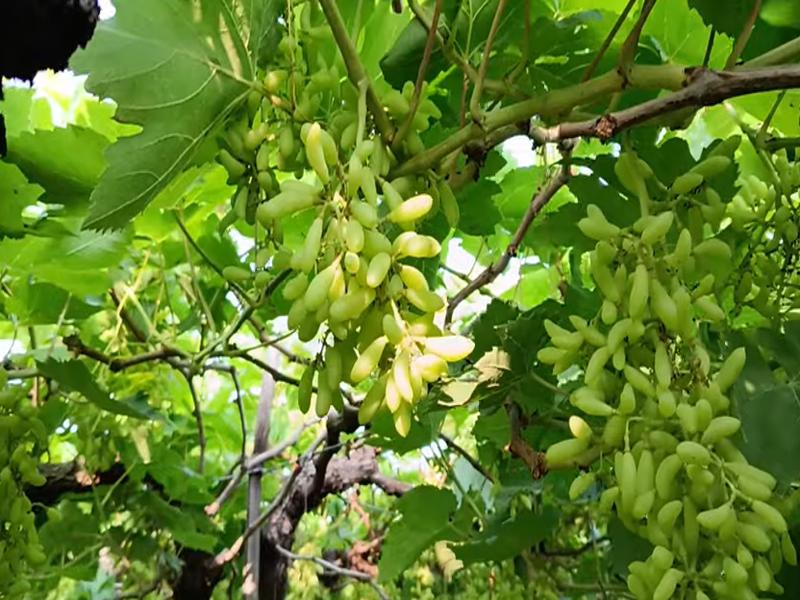
Grape Farming in India: Complete Guide to Profitable Farming
Grape farming is one of the most profitable horticulture crops in India. With proper planning, modern techniques, and good market access, farmers can earn high returns from a small area of land. Grapes are not only consumed as fresh fruits but are also widely used for making raisins, juice, jam, jelly, vinegar, wine, seed oil, and herbal extracts.
Today, grape cultivation is becoming increasingly popular among Indian farmers due to its export potential and strong market demand.
General Information About Grapes
Grapes are a globally famous fruit crop and are grown commercially in many countries. It is a perennial climbing vine, whose leaves shed once a year.
Grapes are rich in Vitamin B and essential minerals such as calcium, phosphorus, and iron.
Health Benefits of Grapes
- Helps in controlling blood sugar
- Beneficial for heart health
- Useful in asthma and constipation
- Strengthens bones
- Improves skin and hair health
Major grape-producing countries include France, USA, Turkey, South Africa, China, Portugal, Argentina, Iran, Italy, and Chile. Among these, China is the largest producer of grapes in the world.
Climate Requirement for Grape Farming
- Best suited for dry and semi-arid climates
- Ideal temperature range: 15°C to 35°C
- Rainfall during fruit ripening can damage the crop
- Frost and strong winds are harmful
Soil Requirement
Grapes can be grown in different soil types, but for best results:
- Fertile, loose, and well-drained soil
- Soil pH: 6.5 to 8.5
- Avoid water-logged land
Good drainage is extremely important for healthy vine growth.
Popular Grape Varieties and Yield (Per Acre)
Punjab MACS Purple
- Released in 2008
- High anthocyanin content
- Small, seeded, purple fruits
- Suitable for juice and nectar
- Average yield: 8–10 tons/acre
Perlette
- Released in 1967
- High yielding variety
- TSS: 16–18%
- Light aroma, thick skin
- Average yield: 10–12 tons/acre
Beauty Seedless
- Seedless, blue-black fruits
- Good for fresh consumption
- TSS: 16–18%
- Average yield: 9–11 tons/acre
Flame Seedless
- Seedless, crisp fruits
- Light purple color on ripening
- Ready by second week of June
- Average yield: 8–10 tons/acre
Superior Seedless
- Medium spreading vines
- Medium to large bunches
- Sugar content: 10%
- Average yield: 8–9 tons/acre
Varieties for Different Uses and Regions
For Raisin Making
- Thompson Seedless
- Black Sahebi
For Fresh Eating
- Thompson Seedless
- Beauty Seedless
- Black Sahebi
- Anab-e-Shahi
For Juice Making
- Beauty Seedless
- Black Prince
For Wine Making
- Rangspray
- Cholhu White
- Cholhu Red
For Lower Hill Regions
- Perlette
- Beauty Seedless
- Delight
- Himred
Land Preparation
- Plough the field 3–4 times deeply using a tractor
- Harrow the land 2–3 times
- Make the soil loose and level
Well-prepared soil helps in strong root development.
Planting Method
Planting Time
- December to January is ideal for planting rooted cuttings
Spacing
- Niffin system: 3 × 3 meters
- Arbor system: 5 × 3 meters
- Anab-e-Shahi: 6 × 3 meters
👉 On average, 450–500 vines per acre are planted.
Planting Depth
- Cuttings should be planted at a depth of 1 meter
Manure and Fertilizer Management (Per Acre)
| Plant Age | FYM (Quintals) | Nitrogen | Phosphorus | Potash |
|---|---|---|---|---|
| 1st Year | 90–100 | 12–15 kg | 30–35 kg | 10–12 kg |
| 3rd Year | 200–220 | 25–30 kg | 60–70 kg | 25–30 kg |
| 5th Year | 350–400 | 45–50 kg | 90–100 kg | 40–45 kg |
- Apply FYM and full phosphorus after pruning
- Nitrogen and potash should be applied in two split doses
- Spray urea twice:
- At full flowering
- At fruit setting stage
Weed Management
- Before weed germination:
Stomp @ 800 ml/acre - After weed emergence (15–20 cm height):
Glyphosate @ 1.6 liters/acre in 150 liters of water
Irrigation Management
| Stage | Irrigation |
|---|---|
| After pruning (Feb) | 1 |
| Early March | 1 |
| April–Early May | Every 10 days |
| Late May | Weekly |
| June | Every 3–4 days |
| July–October | As needed |
| Nov–Jan | When soil is dry |
👉 Drip irrigation is highly recommended for water and fertilizer efficiency.
Major Pests and Their Control
Beetles
- Damage young leaves
- Spray Malathion 400 ml/acre
Thrips and Jassids
- Suck sap from leaves and fruits
- Spray Malathion 400 ml/acre
Leaf Folder Caterpillar
- Rolls leaves and damages flowers
- Spray Quinalphos 600 ml/acre
Yellow and Red Wasps
- Attack ripe fruits
- Spray Quinalphos 600 ml/acre
Diseases and Their Management
Powdery Mildew
- White powdery spots on leaves and bunches
- Spray Carbendazim 400 g/acre or Sulphur 600 g/acre
Downy Mildew
- Yellow spots on upper leaf surface
- White fungal growth on underside
- Spray Mancozeb 400–500 g/acre
Anthracnose
- Dark sunken spots on fruits and shoots
- Spray Copper Oxychloride 400 g/acre
Harvesting
- Harvest grapes only when fruits are fully mature
- Harvest during morning or evening hours
- Avoid harvesting during rain
Post-Harvest Management
- Pruning is done after harvesting
- Fruits should be pre-cooled within 6 hours at 4.4°C
- Use proper containers for long-distance transport
Per Acre Cost and Profit from Grape Farming
- Total cost: ₹1.5 – 2 lakh per acre
- Average yield: 8–12 tons per acre
- Market price: ₹30 – ₹60 per kg
👉 Net profit: ₹2 – 4 lakh per acre (depending on variety and market)
Frequently Asked Questions (FAQs)
1. Which states are best for grape farming in India?
Maharashtra, Karnataka, Tamil Nadu, Punjab, and Haryana.
2. How long does it take for grapes to bear fruit?
Commercial production starts from the 2nd–3rd year.
3. How many grape vines are planted per acre?
Around 450–500 vines per acre.
4. Which grape variety is most profitable?
Thompson Seedless and Perlette.
5. Is drip irrigation necessary for grapes?
Yes, it saves water and improves yield.
6. When does flowering occur in grapes?
During February–March.
7. Can grapes be exported?
Yes, grapes are an important export crop.
8. What is the most common grape disease?
Downy mildew and powdery mildew.
9. When should grapes be harvested?
When TSS reaches 16–18%.
10. Is grape farming suitable for small farmers?
Yes, with proper management it gives high returns even on small land.
Conclusion
Grape farming is a golden opportunity for Indian farmers who want to move towards high-income horticulture crops. By selecting the right variety, maintaining soil health, using balanced fertilizers, managing pests and diseases on time, and adopting drip irrigation, farmers can achieve excellent yields and stable income.
If you are looking for a crop that combines profit, sustainability, and export potential, grape farming can be the right choice for your future.
👉 Explore detailed guides on other fruits farming – click here to read more.
Reference Sources
- Government of India – Vikaspedia
- HP Agriculture Department
- Indian Institute of Horticultural Research
- Krishi Vigyan Kendra Portal
🌱 Hard work, right knowledge, and timely action are the keys to becoming a successful grape farmer.