


Cucumber Farming
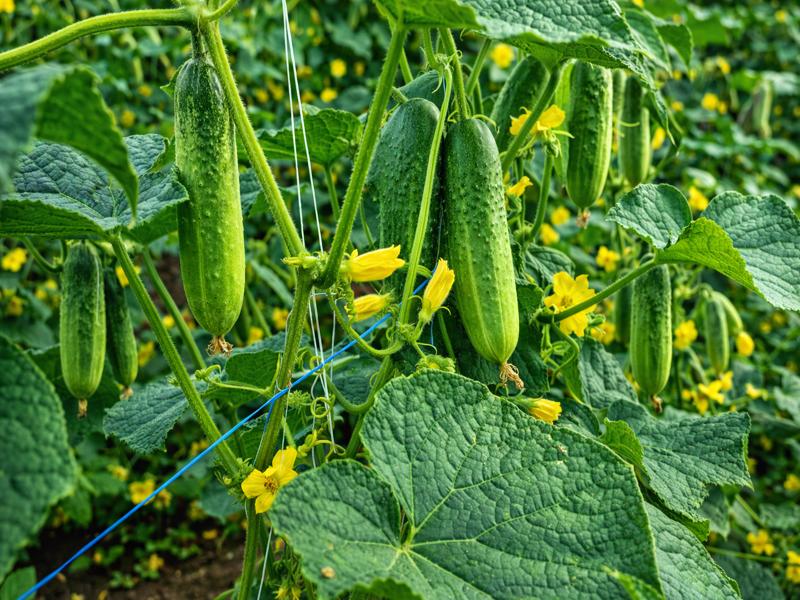
🌿 Cucumber Farming: How to Earn More Profit with Low Cost
💧 Low Cost | ⏱️ Less Time | 💰 More Profit
🌞 Introduction
As soon as the summer season starts, cucumber becomes the first choice in salads and cooling foods.
With the increase in heat, the demand for cucumber rises fast in the market because it gives cooling and freshness to the body.
In many areas including the Vindhya region, farmers now consider cucumber farming as a very good cash crop because of:
- ✅ Low cultivation cost
- ✅ Quick crop ready
- ✅ Fixed and ready market
⏳ Good income is possible in just 3 months.
📅 Sowing in February is considered the most profitable.
🌱 1. Crop Introduction
- Scientific Name: Cucumis steevs
- Origin: India
- Crop Type: Creeping vegetable crop
🔹 Main Characteristics
- Spreads like a vine
- Leaves are big, hairy, and triangular
- Flowers are yellow in color
- Fruits are green, juicy, and cooling
- Contains about 96% water
🥒 2. Health Benefits & Uses
💚 Health Benefits
- Keeps the body hydrated
- Gives cooling effect in summer
- Improves skin glow
- Good for heart and kidney
- Helps in weight loss
- Works as an alkalizer
🍽️ Uses
- Salad
- Eaten raw
- Vegetable preparation
- Juice and raita
- Oil extracted from seeds
🔬 3. Scientific Classification
- Crop Name: Cucumber
- Family: Cucurbitaceae
- Plant Nature: Creeping vine
- Use: Vegetable
🌤️ 4. Climate & Temperature
- Suitable Temperature: 20 to 40°C
🌡️ Temperature by Stage
- Germination: 22–30°C
- Growth: 25–35°C
- Harvesting: 30–35°C
🌧️ Rainfall Requirement: 120–150 mm
🌾5. Soil Requirement
✔️ Suitable Soil
- Loamy soil is best
- Sandy loam to heavy loam
- Rich in organic matter
- Good water drainage
⚖️ Soil pH: 6 to 7
🌟6. Seed & Varieties
Choosing the right variety directly affects production, quality, and profit. The following varieties are most trusted by farmers.
🏆 Advanced Varieties from Punjab
🟢 Punjab Cucumber 1
- Suitable only for polyhouse
- Fast-growing plant
- 1 to 2 fruits per node
- Dark green fruits
- Seedless with less bitterness
- Length: 13 to 15 cm
- Average weight: 125 grams
- No peeling required
📈 Yield
- September sowing: 304 quintal per acre
- January sowing: 370 quintal per acre
⏱️ Harvesting
- 45 to 60 days after sowing
🟢 Punjab Naveen
- Dark green leaves
- Cylindrical, light green fruits
- Seedless and non-bitter
- High Vitamin C content
- Crispy and tasty fruits
⏳ Crop Duration: 68 days
📊 Average Yield: 70 quintal per acre
🌍 Advanced Varieties from Other States
🟢 Pusa Uday
- Developed by Indian Agricultural Research Institute
- Light green fruits
- Length around 15 cm
- Medium-sized fruits
🌱 Seed Rate: 1.45 kg per acre
⏱️ Crop Duration: 50 to 55 days
📊 Yield: 65 quintal per acre
🟢 Pusa Barkha
- Suitable for Kharif season
- Tolerant to high moisture and temperature
- Resistant to leaf spot disease
📊 Average Yield: 78 quintal per acre
🟢 HW 216
- Best for early crop
- Harvesting starts in 40–45 days
- 3 to 4 kg production per plant
- Early market supply gives better price
🌱7. Seed Rate
- Seed required per acre: Around 1 kg
✔️ For Better Germination
- Sow 2 seeds at one place
- This increases plant population and yield
🚜8. Land Preparation
Proper land preparation is very important for a good crop.
- Deep ploughing 3 to 4 times
- Make the field completely weed-free
- Add around 6 tons of well-rotted farmyard manure per acre
- Make soil loose and fertile
- Proper arrangement of beds and ridges
🌿9. Sowing Method
📅 Right Time for Sowing
- Last week of January
- First week of February is most profitable
📏 Spacing
- Plant to plant: 60 cm
- Bed to bed: 50 cm
📌 Seed Depth
- 2 to 3 cm
🛠️ Main Sowing Methods
- Small tunnel method
- Sowing in pits
- Sowing in furrows
- Circular pit method
🧪10. Fertilizer & Manure Management
🐄 Organic Manure
- Well-rotted farmyard manure: 6 tons per acre
🧂 Chemical Nutrients
- Nitrogen: 20 kg
- Phosphorus: 12 kg
- Potash: 10 kg
📌 Application Method
- Apply nitrogen in 3 equal doses
- Helps in strong plant growth
- Increases flowering and yield
💧11. Irrigation Schedule
Cucumber crop needs regular irrigation.
- Total 10 to 12 irrigations
- One irrigation before sowing
- In summer, irrigation every 2 to 3 days
- Later stages, irrigation at 4 to 5 days interval
🌿12. Weed Control
In the early stage, weeds grow very fast and reduce nutrient availability, which lowers yield. So timely weed control is very important.
✔️ Control Methods
🧤 Manual Weeding
- First weeding: 15–20 days after sowing
- Second weeding: 30–35 days after sowing
🧪 Chemical Control
- Glyphosate: 1.6 liters
- Mix in 150 liters of water
- Spray only on weeds
⚠️ Do not let the chemical touch the main crop
🐛13. Pest & Disease Management
If pests and diseases are not controlled on time in cucumber crop, it directly affects yield.
🦠 Major Diseases and Their Control
❌ Anthracnose (Fruit Rot Disease)
🔴 Symptoms
- Yellow spots on leaves
- Dark round spots on fruits
🛡️ Control
- Spray Chlorothalonil
- Use Benomyl
❌ Wilt Disease
🔴 Symptoms
- Plant suddenly starts drying
- Affects vascular tissues
🛡️ Control
- Timely spraying of pesticides
- Remove infected plants
❌ White Spots on Leaves (Powdery Mildew)
🔴 Symptoms
- White powder-like spots on leaves
- Leaves start drying
🛡️ Control
- Carbendazim 2 grams per liter of water
- Use Chlorothalonil or Benomyl
❌ Mosaic Disease
🔴 Symptoms
- Plant growth stops
- Lower part of fruit turns yellow
🛡️ Control
- Imidacloprid 17.8%
- 7 ml per 10 liters of water
🪰 Major Insects and Their Control
🐜 Fruit Fly
🔴 Damage
- Female fly lays eggs inside the fruit
- Fruit rots from inside and falls
🛡️ Control
- Neem oil 3%
- Spray at regular intervals
🪵14. Crop Support
Cucumber is a vine crop, so providing support is very important.
With proper support, fruits do not touch the ground, diseases reduce, and market quality improves.
✔️ Benefits of Support
- Increases yield per plant
- Fruits are straight and clean
- Less disease and rotting
- Better market price
🛠️ Methods of Support
- Bamboo and wire structure
- Dry tomato plants
- Rope or plastic thread
👉 Support clearly increases both yield and quality of cucumber.
⏳15. Crop Duration
Cucumber is a short-duration crop, which is why it is called a cash crop.
📆 Crop Period
- First harvesting: 40–50 days after sowing
- Total harvestings: 10–12 times
- Total crop duration: Around 3 months
👉 Regular harvesting in a short time gives continuous income.
✂️16. Harvesting Method
Harvesting cucumber at the right time is very important.
✔️ Right Signs for Harvesting
- Fruits are green in color
- Medium size
- Seeds are soft
🔪 Harvesting Method
- Use sharp knife or cutting tool
- Do not pull fruits by hand
- Morning or evening time is best
👉 Timely harvesting increases both demand and price.
📊 17. Yield per Acre
Cucumber yield depends on variety, care, and season.
🌾 Average Yield
- Normal varieties: 33–42 quintal per acre
- Improved varieties with good care: More than this
📈 Support, balanced fertilizer, and timely irrigation further increase yield.
💰18. Market Price & Profit per Acre
Cucumber is one of the most demanded vegetables in summer.
📈 Market Price
- Normal price: ₹10–15 per kg
- High demand during March–April and wedding season
- Prices increase as heat rises
💸 Key Profit Points
- Low cultivation cost
- Quick crop
- Fixed market
- Continuous income from regular harvesting
👉 That is why cucumber is adopted as a cash crop in many regions including Vindhya area.
🧊19. Storage
Cucumber is a fresh vegetable, so storage is only for a limited time.
✔️ Storage Tips
- Keep in cool and shaded place
- Do not store in heaps
- Send to market quickly after harvesting
👉 Quick selling keeps freshness and gives better price.
🏛️20. Government Schemes
Farmers get benefits from many government schemes for cucumber and other vegetable farming.
📝 Main Benefits
- Vegetable production incentive schemes
- Subsidy on drip irrigation
- Polyhouse and protected farming support
- Training and technical guidance
📞 Contact your nearest agriculture department or agriculture officer for correct information.
❓21. Frequently Asked Questions (FAQs)
1. What is cucumber farming?
Cucumber farming is vegetable cultivation done as a vine crop. It is a short-duration and high-demand crop. In summer, cucumber sells fast due to use in salads and cooling foods, so it is considered a cash crop.
2. How to do hybrid cucumber farming?
In hybrid cucumber farming, improved seeds are used which give:
- Higher yield
- Uniform fruits
- Better disease resistance
Hybrid varieties need proper spacing, balanced fertilizer, and timely irrigation.
3. How to do desi cucumber farming?
Desi cucumber farming can be done at low cost.
- Good taste
- Seeds easily available
- Demand in local market
Desi varieties give good yield with normal care, but production is slightly less than hybrid.
4. How to do Chinese cucumber farming?
Chinese cucumber farming is mostly done in:
- Polyhouse
- Protected cultivation
Fruits are long, straight, and seedless. Hotels and big buyers prefer them, so good prices are received.
5. Where to get complete information about cucumber farming?
Complete cucumber farming information includes:
- Right time
- Seeds and varieties
- Fertilizer and irrigation
- Pest and disease control
- Yield and profit
All this information per acre is explained in detail in this blog.
6. How to do cucumber farming / Which methods are used?
Cucumber farming is done by:
- Sowing on beds
- Sowing in pits
- Sowing in furrows
- Small tunnel method
Being a vine crop, support is necessary to increase yield.
7. What is the right time for cucumber farming / January farming?
Best time for cucumber farming:
- Last week of January
- First week of February
Sowing in January gives harvest in April, when market prices are highest.
8. How to do cucumber farming in rainy season?
Rainy season cucumber farming is done in Kharif season.
- Good drainage is required
- Choose disease-resistant varieties
- Take care of leaf diseases
Due to high moisture, disease risk is more, so regular monitoring is necessary.
9. How to do cucumber farming in summer?
Summer cucumber farming is most common.
- Suitable temperature: 25–35°C
- Frequent irrigation required
- Mulching helps retain moisture
Demand is highest in summer, so profit is also more.
10. How to do cucumber farming in winter?
Winter cucumber farming is done using:
- Small tunnel method
- Poly sheet cover
This protects plants from cold and gives early crop.
11. Cucumber farming in polyhouse
Polyhouse cucumber farming gives:
- Year-round production
- Very high yield
- Better quality
Varieties like Punjab Cucumber 1 are very suitable for polyhouse.
12. What are the major diseases in cucumber farming?
Major diseases include:
- Anthracnose
- Wilt
- White spots on leaves
- Mosaic disease
Timely and correct use of fungicides and pesticides controls these diseases.
13. Income / profit from cucumber farming
Profit from cucumber farming includes:
- Low cost
- Harvesting in 40–50 days
- Price ₹10–15 per kg
- High demand in wedding and summer season
👉 With proper care, farmers can earn good and stable profit per acre, which is why cucumber is considered an excellent cash crop.
🌾 Conclusion
🌟 Cucumber Farming | Kheera Ki Kheti
In today’s time, cucumber farming has become a:
- Safe
- Reliable
- Quick profit giving
crop for farmers.
👉 Timely sowing
👉 Selection of improved varieties
👉 Balanced fertilizer and irrigation
👉 Pest and disease control
By following all these points, farmers can earn good and stable income per acre.
🌱 Adopt cucumber farming, get cooling in summer and increase profit from your farming.
👉 For more detailed and practical information on vegetable farming, click here.
Reference Source:
- Indian Institute of Horticultural Research
- Krishi Vigyan Kendra Portal
- Soil Health Card Scheme