


Tea Farming In India
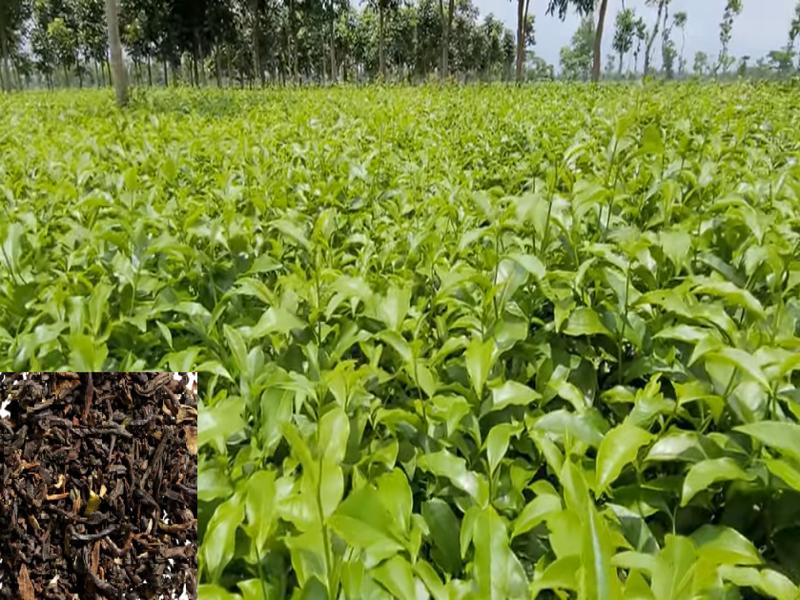
Tea Farming in India: India Tea Production 2020-2025 (Million KG) – Year-Wise Statistics
Tea is one of the most consumed beverages in the world—right after water. In India, tea is not just a drink but a daily habit for millions. India ranks among the top tea-producing, tea-consuming, and tea-exporting nations globally.
In this detailed guide, you will learn:
- Where tea is cultivated in India
- Right climate, soil, and temperature for tea
- Land preparation, planting, irrigation & fertilizers
- Production details and farmers’ income
- Tea export markets
- 10 important FAQs
This blog is written in simple and friendly English, specially designed for Indian rural farmers and beginners.
Where and How Tea is Grown in India
India is the second-largest tea producer in the world. Tea cultivation mainly happens in the north-eastern and southern hilly regions of India.
Major Tea-Producing States in India
1. Assam
- The largest tea-producing state in India
- Produces more than 50% of India’s tea
- Brahmaputra Valley and Cachar region are famous for tea plantations
2. West Bengal
- Tea cultivation in Darjeeling, Dooars and Terai
- Darjeeling tea is known as the “Queen of Tea”
3. Tamil Nadu
- Leading tea producer in South India
- Nilgiri tea is globally appreciated
4. Kerala
- Tea gardens mainly in Munnar and Idukki regions
5. Karnataka
- Tea cultivation in Chikmagalur and surrounding hills
👉 Assam, Darjeeling and Nilgiri teas are considered among the finest teas in the world.
Tea Production in India
According to the Indian Trade Portal:
| Calendar Year | Tea Production (Million KG) | Remarks |
|---|
| 2020 | 1,257.52 | COVID-impacted year |
| 2021 | 1,342.33 | Recovery year |
| 2022 | 1,365.11 | Strong production year |
| 2023 | 1,368.00 | Stable output |
| 2024 | 1,285.00 | Weather impact, lower yield |
| 2025 | 1,320.00 (estimated) | Provisional / trend-based |
Nearly 80% of India’s tea is consumed within the country, which ensures a strong domestic market for farmers.
Suitable Climate, Soil and Temperature for Tea Cultivation
Tea is a tropical and subtropical crop, thriving in warm and humid climates.
Ideal Temperature for Tea Farming
- Ideal: 20°C to 30°C
- Tolerable: 15°C to 45°C
- Extreme heat or frost can damage the crop
Suitable Soil for Tea
- Slightly acidic soil
- Soil pH: 5.4 to 6.0
- Well-drained, porous soil
- Sandy loam and hill soils are best
👉 Waterlogging is harmful, so sloped or well-draining land is recommended.
Rainfall Requirement
- Annual rainfall: 150–300 cm
- Humid, shaded areas are ideal for tea growth
Land Preparation and Fertilizers for Tea Farming
Tea plantations require good land preparation before planting.
Preparing Pits for Tea Plants
- Prepare pits in rows
- Distance between pits: 2–3 feet
- Row-to-row distance: 1–1.5 meters
- Prepare pits one month before planting
Fertilizer Requirement per Hectare
Fill pits with the following:
- 15 kg well-rotted cow dung
- 90 kg Nitrogen (N)
- 90 kg Super Phosphate (P)
- 90 kg Potash (K)
Apply these fertilizers after every plucking season for healthy growth.
Right Time and Method for Tea Planting
Tea cultivation is done using nursery-grown plants.
Best Time for Planting Tea
- October to November is the ideal time.
Planting Method
- Use plants prepared through cutting (stem propagation)
- Remove polybags and plant into prepared pits
- Press soil around the plant to provide support
- Mulch around plants to retain moisture
Irrigation Management in Tea Farming
- If rainfall is sufficient, irrigation is minimal
- In summer, provide light daily irrigation
- Use sprinkler irrigation during dry periods
- Maintain soil moisture at 50–60% for best results
Weed Management in Tea Plantations
Weeds compete for nutrients and slow down plant growth.
Weeding Schedule:
- First weeding: 20–25 days after planting
- After full plant growth: 3–4 regular weedings
Mulching also reduces weed growth and helps retain moisture.
Major Diseases in Tea Plants
Tea plants are prone to several diseases, such as:
- Algal disease
- Black rot
- Dieback
- Root rot
- Charcoal rot
- Pink disease
- Brown root rot
- Blister blight
- Grey leaf spot
- Black root rot
- Brown blight
Prevention:
Spray recommended fungicides/insecticides advised by agricultural experts. Maintain plant spacing and proper airflow.
Tea Leaf Harvesting (Plucking)
Tea leaves become ready for harvesting one year after planting.
Plucking Schedule
- First plucking: March
- Subsequent plucking: Every 3–4 months
Yield per Hectare
- Tea farmers can get 600–800 kg of tea leaves per hectare
- High-demand crop with great market price
- Ideal cash crop for hilly regions
Tea Export From India
India is one of the top 5 tea-exporting countries globally.
Major Importing Countries
- USA
- UK
- China
- Germany
- Russia
- Iran
- UAE
India exports tea to over 25 countries.
In 2021, India exported tea worth 9 million USD.
Nearly 96% of exported tea is black tea.
Profitability of Tea Farming
Tea farming is highly profitable for several reasons:
- Low initial investment
- Long-term continuous income
- 3–4 harvests every year
- High domestic and international demand
- Organic tea fetches premium price
- Creates employment in hilly and rural regions
A farmer can earn ₹70,000 to ₹3,00,000 annually per hectare, depending on quality and region.
FAQs – Frequently Asked Questions on Tea Cultivation
1. Which state produces the most tea in India?
Assam produces the largest amount of tea, contributing more than half of India’s total production.
2. What is the ideal time for tea planting?
October to November is the best season for planting tea.
3. What type of soil is best for tea farming?
Slightly acidic soil with pH between 5.4 and 6.0.
4. How often should tea plants be irrigated?
Daily light irrigation in summer and sprinkler irrigation during dry periods.
5. Which temperature is suitable for tea plants?
Ideal temperature is 20°C to 30°C.
6. How many times can tea leaves be harvested in a year?
Tea can be plucked 3–4 times annually.
7. What is the average yield per hectare?
Around 600–800 kg of leaves per hectare.
8. What diseases affect tea plants?
Black rot, root rot, blister blight, pink disease, etc.
9. Is tea farming profitable in hilly areas?
Yes, it is one of the best cash crops for hilly regions.
10. Which countries import Indian tea?
USA, UK, China, Germany, Russia, Iran, UAE and many others.
A Motivating Message for Indian Farmers
Tea is one of the most reliable and profitable crops for Indian farmers, especially those living in hilly and humid regions. With proper land preparation, the right plantation technique, good irrigation, and timely care, farmers can achieve excellent yields and long-term income.
Tea will always have strong demand in India and across the globe.
If you are a farmer looking for a stable, long-term, and rewarding farming opportunity, tea cultivation can be a life-changing crop for you.
Consistent care, dedication, and the right knowledge – these are the keys to success in tea farming.
👉 Read about other cash crops: click here