


Black Gram Farming: Complete Cultivation Guide for High Yield
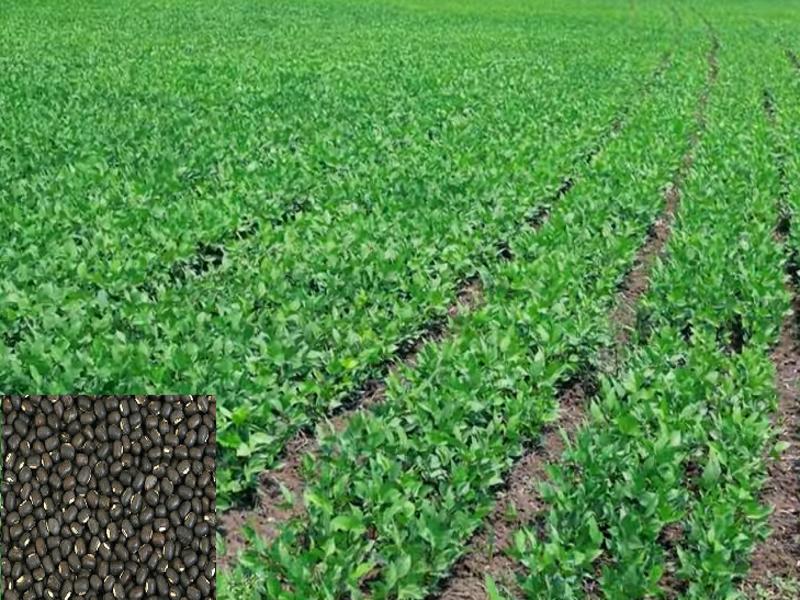
Urad Farming: Complete Guide – Varieties, Care & Profits
Urad (black gram) is a vital pulse crop rich in protein, vitamins, and minerals. It has been cultivated in the Indian subcontinent since ancient times and is mentioned in classical texts like Kautilya’s Arthashastra and the Charaka Samhita. Scientists also suggest its origin in this region. Urad matures quickly and can be grown in Kharif, Rabi, and summer seasons. In India, urad is primarily used as dal and is also processed into many traditional foods like kachori, papad, badai, halwa, imarti, puri, idli, and dosa.
Urad’s haulms and husks are excellent livestock feed. As a legume, urad fixes atmospheric nitrogen and improves soil fertility and organic matter. The crop can also be used as green manure. Urad seeds possess medicinal properties as well.
1. Nutritional Value and Health Benefits
Urad dal is an important plant protein source, especially for India’s largely vegetarian population. It contains higher protein than many other pulses and provides essential vitamins and minerals beneficial for health.
Nutritional composition (per 100 g):
- Moisture: 10.9 g
- Protein: 24.0 g
- Fat: 1.4 g
- Fiber: 0.9 g
- Ash: 3.2 g
- Calcium: 154 mg
- Phosphorus: 385 mg
- Iron: 9.1 mg
- Vitamin B1 (Thiamine): 0.42 mg
- Vitamin B2 (Riboflavin): 0.37 mg
- Energy: 350 kcal
Because of its high protein content (about 23–27%), urad plays a crucial role in the physical and mental development of children and adults. It is especially suitable for vegetarian diets.
2. Global and Indian Scenario
India is the world’s leading producer of urad. Other producing countries include Myanmar, Pakistan, Japan, Thailand, Bangladesh, Canada, Iran, Greece, and parts of East Africa.
In India:
- Urad contributes roughly 16.28% to total pulse area and 11.48% to total pulse production.
- Annual production is around 1.4 million metric tonnes.
- Average national yield: approximately 451.6 kg/ha.
- Major producing states: Maharashtra, Madhya Pradesh, Andhra Pradesh, Uttar Pradesh, and Tamil Nadu.
- About 70% of India’s urad production comes from Maharashtra, Madhya Pradesh, Uttar Pradesh, and Tamil Nadu.
3. Urad Farming in Madhya Pradesh and Tikamgarh
Madhya Pradesh is a significant urad producer. In Tikamgarh district, urad covers about 50% of the pulse area and contributes 33.46% of the district’s pulse production. Tikamgarh’s average yield is notably higher than the state average in many years.
Urad’s short duration and high protein content make it suitable for summer (rabi/zaid) cultivation, enabling farmers to earn additional income in less time.
4. Production Technology for Urad
Climate
- Prefers warm and humid weather.
- Optimal temperature: 25–30°C.
- Suitable rainfall: 700–900 mm.
- Excessive rain during flowering or maturity is harmful and may ruin the grains.
Soil and Land Preparation
- Best on light sandy, loamy, or medium soils with good drainage.
- Ideal soil pH: 7–8.
- Avoid highly acidic or strongly alkaline soils.
- After the rains begin, plow/level the field 2–3 times.
- Sowing before heavy rains helps good seedling establishment.
Improved Varieties (suitable for Madhya Pradesh)
| Variety | Days to Maturity | Avg. Yield (q/ha) | Remarks |
|---|---|---|---|
| T-9 | 70–75 | 10–11 | Medium small seeds; light black |
| Pant U-30 | 70 | 10–12 | Medium black seeds; suited for yellow mosaic areas |
| Khargone-3 | 85–90 | 8–10 | Larger light-black seeds; spreading plant |
| PDU-1 (Basanta Bahar) | 70–80 | 12–14 | Large black seeds; suited for summer |
| Jawahar Urad-2 | 70 | 10–11 | Medium small shiny black seeds; pods in clusters |
| TPU-4 | 70–75 | 4–4.8 | Medium height, erect plant |
Seed Rate & Seed Treatment
- Seed rate: 6–8 kg per acre (≈ 15–20 kg/ha roughly adjusted depending on unit).
- Chemical treatment: Thiram 3 g or Dithane M-45 2.5 g per kg seed.
- Organic treatment: Trichoderma (5–6 g per kg seed).
Sowing Time and Method
- Sow at the onset of monsoon or late June when adequate moisture is available.
- Use furrow or drill planting.
- Row spacing: 30 cm; plant-to-plant spacing: 10 cm.
- Seed depth: 4–6 cm.
Fertilizers
- Nitrogen: 8–12 kg/acre
- Phosphorus (P₂O₅): 20–24 kg/acre
- Potash: 10 kg/acre
- Sulfur: apply sulfur-bearing fertilizers like SSP, ammonium sulfate or gypsum as required (8 kg sulfur/acre where deficient).
- Apply fertilizers in the seed row below seed at sowing.
Legumes require relatively low nitrogen due to nodulation; use balanced fertilization and sulfur-rich fertilizers where needed.
Irrigation
- Generally rainfed; irrigation may be required during flowering and grain filling if soil moisture is low.
Weeding and Hoeing
- Timely weeding significantly improves yield.
- Use hand weeding or mechanical hoeing; use recommended herbicides if needed.
- Soil-applied herbicides (e.g., pre-emergence) and proper seedbed preparation help control weeds.
5. Integrated Pest Management (IPM) for Urad
Urad suffers from about 15 major insect pests; losses of 17–38% have been recorded under severe infestations. Major pests include:
- Root and pod borers / cutworms (pissuu bhrang) – larvae cause root/tuber damage and destroy nodules.
- Leaf-rolling caterpillars – cause severe leaf damage and webbing.
- Whitefly – sap-sucking; transmits yellow mosaic virus (most destructive); causes 10–40% yield loss.
- Leaf-eating caterpillars (various species) – e.g., Bihar hairy caterpillar and others.
Chemical control suggestions
- Mix an adjuvant (sticker) with sprays so rain doesn’t wash pesticides off.
- Apply dust formulations in the morning.
- Do not mix multiple pesticides without expert advice.
- Rotate pesticides to delay resistance.
- Always prepare spray solution in a bucket first, then pour into the sprayer tank.
- For granular recommendations and dosages, follow label instructions and local extension advisories.
Example dosages (general guidance):
- For leaf-feeding caterpillars: Quinalphos (as per label)
- For whitefly: Dimethoate 30 EC @ label rate
(Always follow pesticide labels and local recommendations.)
6. Integrated Disease Management
Major diseases include:
- Yellow mosaic (virus) – early chlorotic patches leading to full yellowing; can cause complete yield loss if severe. Spread by whitefly.
- Leaf roll (virus) – causes crinkled, stunted leaves and reduced flowering.
- Mosaic (mottle) disease – severe yield losses; seed-borne viruses possible.
- Leaf curl / enation (virus) – transmitted by thrips.
- Sarcospora leaf spot, anthracnose, charcoal rot, powdery mildew, root rot, bacterial blight, etc.
Resistant varieties and chemical controls
- Use resistant/tolerant varieties for yellow mosaic and other viral diseases (e.g., Pant Urd-19, Pant Urd-30, PDU-1, UG-218, Narendra Urd-1, etc. — variety suitability depends on region).
- Seed treatment with Imidacloprid (as per label) and other recommended measures control insect vectors.
- For fungal diseases: Carbendazim / Benlate @ label rates or Mancozeb 0.3% as foliar sprays at symptom onset, repeated at 15-day intervals.
- For powdery mildew: Sulfur dust @ recommended rate.
- Seed treatment with Trichoderma viride (5 g/kg seed) and streptomycin sulfate (500 ppm) can help bacterial/fungal control.
7. Storage Pests and Management
Post-harvest pests:
- Bruchids (pulse beetle) – attack both field pods and stored dal; larvae burrow into grains.
- Khapra/tarnished plant beetles and red flour beetles cause severe losses and reduce seed viability.
Preventive storage practices
- Dry dal thoroughly to 8–10% moisture before storage.
- Use clean, well-ventilated storage: Pusa bin, RC Kothi, Pantnagar kutcha bin, GI bins.
- Use new or thoroughly sanitized bags; boil old jute bags for 15 minutes or dip in 1% Malathion solution and dry.
- Mix 1 part ash with 3/4 part dal for protection (traditional practice).
- Store bales on wooden pallets 6–10 cm above ground, 2–3 feet away from walls; keep stacks under 3 m height and avoid mixing old and new stock.
8. Cost–Benefit Analysis of Urad Farming (per hectare example)
Expenses (approximate): ₹18,702 per hectare (includes plowing, seed, fertilizers, sowing, labor, plant protection, harvesting, threshing, packing)
Yield scenario:
- Average yield: 10 quintal/ha
- Market price: ₹4,500 per quintal
- Total income: ₹45,000
- Net profit: ₹26,298
- Benefit–cost ratio 1:2.40
(This example is indicative; actual results vary with local costs, yields, and market prices.)
9. Additional Practical Tips to Improve Yield
- Avoid waterlogging and improve drainage.
- Use certified, disease-free seed.
- Rotate crops – follow urad with wheat, mustard, or chickpea to improve soil health.
- Scout fields regularly and act early at first signs of pest/disease.
- Harvest when pods are properly dry to avoid grain damage from late rains.
10. Additional Information and Government Resources
If you want more information about soil testing, fertilizer recommendations, or crop nutrition management,
you can visit the official website operated by the Ministry of Agriculture, Government of India:
Soil Health Portal – Government of India
On this portal, you will find:
- Facility to view the Soil Health Card for your land
- Crop-wise fertilizer recommendations
- State-wise agricultural expert advice
- Useful information related to organic farming
11. Useful Articles for Farmers
- Horse Gram Farming
- Cowpea Farming
- Kidney Beans
- Black Gram Farming: Complete Cultivation Guide for High Yield
- Moong Farming
- Pigeon Pea Farming
- Chickpea Farming
- Lentil Farming
- Carbon Farming in India: Benefits & Practices Guide
- Low Cost Irrigation Method
- Micro Irrigation System
- Plant a Tree with Just One Liter of Water
- How to Do Organic Farming
- Benefits of Natural Farming
- Vermicompost Preparation Method
- Benefits of Drip Irrigation
- Pest and Disease Management
- Soil Health Card Scheme
12. FAQs (Common questions with answers)
Q1. What is the best time for Black Gram (Urad) sowing?
The best time to sow black gram is at the beginning of the monsoon season, usually from late June to early July. Adequate soil moisture during sowing ensures better seed germination and healthy crop establishment.
Q2. What is the recommended seed rate for Black Gram farming?
The recommended seed rate is 15–20 kg per hectare (6–8 kg per acre). The exact quantity depends on the variety, seed size, and sowing method.
Q3. Which are the best Black Gram varieties for high yield?
High-yielding black gram varieties include PDU-1, Pant U-30, T-9, Jawahar Urad-2, and other region-specific cultivars recommended by your state agricultural department for better productivity and disease resistance.
Q4. What fertilizers should be applied in Black Gram cultivation?
Apply 20–30 kg Nitrogen (N), 50–60 kg Phosphorus (P₂O₅), and 25 kg Potash (K₂O) per hectare, along with sulfur if the soil is deficient. Apply fertilizers in rows during sowing for maximum nutrient efficiency.
Q5. Which disease is the most harmful in Black Gram farming?
Yellow Mosaic Virus (YMV) is the most destructive disease in black gram. It is primarily spread by whiteflies and can significantly reduce crop yield if not managed promptly.
Q6. How can whitefly infestation in Black Gram be controlled?
Control whiteflies by using recommended insecticides such as Dimethoate or other approved products as per label instructions. Remove infected plants and follow integrated pest management (IPM) practices to reduce disease spread.
Q7. When should irrigation be provided in Black Gram cultivation?
Black gram is mostly grown under rainfed conditions. However, if rainfall is insufficient, provide irrigation during the flowering and pod-filling stages, as these are the most critical growth periods.
Q8. What is the average yield and profit from Black Gram farming?
Under good crop management, black gram can produce an average yield of 1.0–1.2 tonnes (10–12 quintals) per hectare. Profitability depends on production costs, market prices, and overall crop management practices.
Q9. When is the right time to harvest Black Gram?
Harvest the crop when 80–90% of the pods have turned black and dry, and the grains are fully mature. Avoid harvesting during rainy weather to prevent seed damage and quality loss.
Q10. How can storage pests be prevented in Black Gram?
Dry the harvested grains to 8–10% moisture content before storage. Store them in clean, dry, and pest-free containers or bags, keep the storage area sanitized, and avoid mixing newly harvested grains with old stock to minimize storage pest infestations.
13. Conclusion – A Motivational Note for Farmers
Urad farming is a short-duration, nutrient-rich, and soil-improving crop that can provide good returns when scientific practices are followed. Adopting improved varieties, balanced fertilization, early pest and disease interventions, and sound post-harvest handling will help you increase yield and profitability.
Dear farmer brothers and sisters – adopt good practices, stay informed, and cultivate urad with confidence. With right effort and timing, urad farming can boost your income and improve soil health. Sowing smartly today secures a better tomorrow.
Need any assistance? 👉 Feel free to contact us.