


Clove Farming
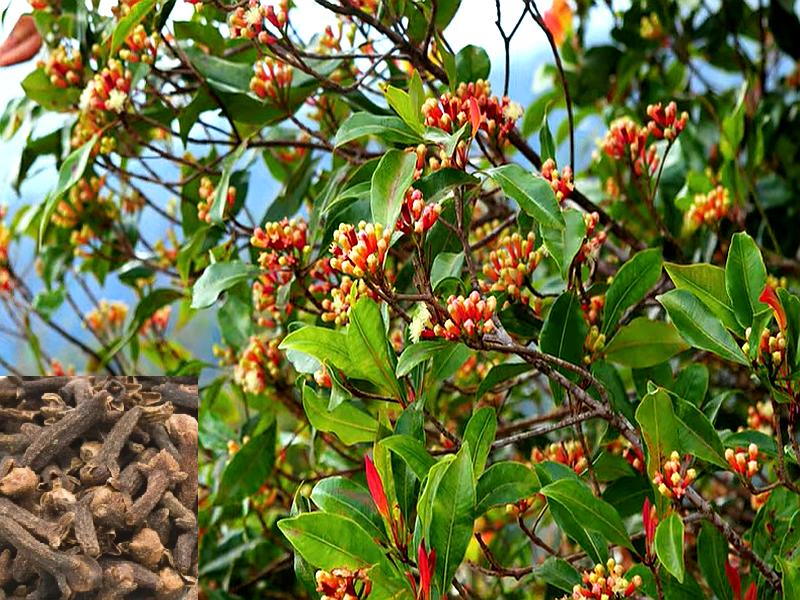
🌿 How to Do Clove Farming? Cost, Profit and Complete Information
Clove farming is becoming a rapidly popular cash spice crop in India. This crop is not only used as a spice but also widely used in Ayurveda, dental treatment, and the food industry because of its medicinal properties. Clove is an evergreen perennial plant, which keeps producing for many years after planting once. Its plant can live for about 100 to 150 years and starts giving yield after around 4 to 5 years.
The demand for spices in India is continuously increasing, so clove farming is becoming a profitable option for farmers. In the market, its price often remains between ₹700 to ₹1000 per kilogram, due to which farmers can earn good income per acre.
Clove farming is especially successful in areas where tropical climate, shaded environment, and well-drained soil are available. It is mostly cultivated in states like Kerala, Tamil Nadu, Karnataka, and the Konkan region of Maharashtra, but now farmers in other parts of the country are also adopting clove farming.
The biggest advantage of clove farming is that once the plants are planted, they keep producing for many years, which reduces the need to prepare the field again and again. Along with this, in the initial years farmers can grow other crops in the empty space of the field and earn additional income.
This blog has been prepared for farmers so that they can easily understand complete information related to clove farming such as climate, soil, seeds, fertilizer, irrigation, disease control, yield, and profit.
Now further we will learn in detail how clove farming is done and how much income can be earned per acre from it.
1️⃣ Introduction to Clove Farming
Clove is an important crop of the spice category. It is used to increase the taste of food, for medicinal treatment, and in religious activities. The scientific name of clove is Syzygium aromaticum.
Special Features of the Clove Plant
• It is an evergreen tree
• The plant lives for 100 to 150 years
• It starts production after about 4 to 5 years
• A fully developed plant can give 2 to 3 kg cloves
• Due to spice and medicinal use, its demand always remains in the market
In India, farmers are now moving away from traditional farming and moving towards cash crops, and clove farming is a good option in this.
2️⃣ Health Benefits and Uses of Clove
Clove is a spice full of medicinal properties. In Ayurveda it is used in the treatment of many diseases.
Major Health Benefits
🌿 Relief in tooth pain
🌿 Beneficial in cold and cough
🌿 Helps improve digestion
🌿 Increases the body’s immunity
🌿 Antibacterial and antiseptic properties
Major Uses of Clove
🍲 Used in spices
💊 Used in Ayurvedic medicines
🪥 Used in toothpaste and tooth pain medicines
🧴 Use of clove oil
🕉 Used in havan and worship
3️⃣ Scientific Classification
The scientific classification of clove is given below in table form so that it can be easily understood.
| Category | Details |
|---|---|
| Kingdom | Plantae |
| Division | Magnoliophyta |
| Class | Magnoliopsida |
| Order | Myrtales |
| Family | Myrtaceae |
| Genus | Syzygium |
| Species | Syzygium aromaticum |
This scientific classification shows that clove is an important evergreen plant of the Myrtaceae family, which is mainly used as a spice and medicine.
4️⃣ Climate and Temperature
Tropical climate is considered the most suitable for clove farming.
Suitable Temperature
🌡 In Summer
30 to 35 degree Celsius
🌡 In Winter
Around 15 degree Celsius
Important Things to Remember
• Too much heat damages the plants
• Very cold weather or frost stops the growth of plants
• Plants grow well in a shaded environment
5️⃣ Soil Requirement
For clove farming, fertile loamy or sandy loam soil is considered most suitable.
Soil Characteristics
• Soil with good drainage
• Rich in organic matter
• pH value between 6.5 to 7.5
• Waterlogged land is not suitable
If water stays in the field, then the chances of disease in plants increase.
6️⃣ Seeds and Varieties | Seeds and Varieties for Laung Ki Kheti
For good production in clove farming, selecting the right seeds and healthy plants is very important. Generally, clove farming is done by preparing plants from seeds, but many farmers also buy plants from government or certified nurseries to save time.
6.1 How to Select Seeds
Keep the following points in mind for good quality seeds.
• Take seeds from healthy and disease-free trees
• Take seeds from fully ripened fruits
• Seeds should be fresh
• Before sowing, seeds should be soaked in water overnight
6.2 Method to Prepare Plants in Nursery
In clove farming, a nursery is prepared to grow plants.
Nursery Preparation Process
Prepare a mixture of fertile soil and organic manure
Make the soil well loose and soft
Keep row to row distance about 10 centimeters
Sow seeds in lines
Do light irrigation
It takes about 2 years for the plant to be ready.
6.3 Selection of Plants for Transplanting
Characteristics of ideal plants for transplanting
• Plant height about 3 to 4 feet
• Plant should be healthy and green
• Roots should be strong
• Plant should be free from diseases and pests
Farmers can also buy plants from government registered nurseries, which saves time and production starts earlier.
7️⃣ Seed Rate | Number of Plants per Acre in Laung Ki Kheti
In clove farming, keeping proper distance between plants is necessary so that plants can grow properly.
Distance Between Plants
Plant to Plant Distance
15 to 20 feet
Row to Row Distance
15 to 20 feet
Number of Plants per Acre
Based on this spacing, about
100 to 120 plants can be planted per acre.
8️⃣ Field Preparation | Land Preparation for Laung Ki Kheti
Proper field preparation is very important for getting good production in clove farming. A well-prepared field helps plants grow healthy and reduces the chances of weeds and diseases.
8.1 Ploughing of the Field
Before planting clove plants, the field should be prepared properly by ploughing.
Field Preparation Process
• First do deep ploughing of the field.
• After that, do 2 to 3 ploughings using a rotavator or cultivator.
• Make the soil loose and soft so that roots can grow easily.
• Finally, level the field by using a plank.
This process makes the soil soft and also helps in destroying weeds present in the field.
8.2 Drainage Arrangement
Clove plants do not tolerate waterlogging. If water stays in the field for a long time, plants can get diseases and their growth may stop.
Therefore, farmers must ensure:
• Proper drainage channels in the field
• No standing water around the plants
• Smooth flow of excess rainwater out of the field
Good drainage is very important for the healthy growth of clove plants.
8.3 Preparation of Pits
For planting clove plants, pits need to be prepared in advance.
Pit Size
| Parameter | Measurement |
|---|---|
| Diameter | 1 meter |
| Depth | 1.5 to 2 feet |
| Distance Between Plants | 15 to 20 feet |
Proper spacing helps plants grow well and allows enough sunlight and air circulation.
8.4 Mixing Manure in Pits
Before planting, mix manure and fertilizer in each pit to improve soil fertility.
Add the following in each pit
• 15 to 20 kg well decomposed cow dung manure
• 100 grams NPK fertilizer
After mixing the manure and fertilizer:
• Fill the pit with soil
• Do light irrigation
This helps the soil settle properly before planting.
9️⃣ Sowing and Transplanting Method
In clove farming, transplanting of plants should be done carefully to ensure good growth and survival of the plants.
9.1 Right Time for Transplanting
The most suitable time for planting clove plants is the:
🌧 Rainy Season
During this time:
• Soil moisture remains good
• Plants establish quickly
• Growth of plants becomes better
9.2 Plant Transplanting Process
Follow the following steps while planting clove plants.
- Make a small pit in the center of the already prepared pit.
- Place the plant carefully in the pit.
- Fill the soil around the plant properly.
- Press the soil lightly to make the plant stable.
- Do irrigation immediately after planting.
Proper planting helps plants grow strong and healthy.
9.3 Mixed Farming
Clove farming can also be done using mixed farming methods.
Clove plants can be planted in the following gardens:
• Coconut garden
• Areca nut garden
• Walnut garden
These trees provide natural shade, which is beneficial for clove plants.
🔟 Fertilizer and Manure Management
Clove plants require proper nutrients for healthy growth and better production.
Proper fertilizer management improves plant growth and increases yield.
10.1 Initial Fertilizer
Before transplanting, the following fertilizers should be added in each pit:
• 15 to 20 kg cow dung manure
• 100 grams NPK fertilizer
This provides the required nutrients for the early growth of plants.
10.2 Fertilizer for Developed Plants
When the plants become mature, the following fertilizers should be given per plant every year:
• 40 to 50 kg cow dung manure
• 1 kg chemical fertilizer
After applying fertilizer, irrigation must be done so that nutrients can reach the roots properly.
10.3 Importance of Organic Manure
Organic manure plays an important role in clove farming.
Benefits of organic manure:
• Improves soil fertility
• Promotes healthy plant growth
• Helps in increasing production
1️⃣1️⃣ Irrigation Management
Clove plants require regular irrigation for proper growth and healthy development. Proper water management helps plants grow faster and improves overall production.
11.1 Irrigation After Transplanting
After planting the clove plants, the first irrigation should be done immediately.
This helps:
• Plants settle properly in the soil
• Roots establish quickly
• Early plant growth becomes better
11.2 Irrigation in Summer
During the summer season, the soil dries faster, so plants need more water.
Recommended Irrigation Frequency
| Season | Irrigation Frequency |
|---|---|
| Summer | 1 to 2 times per week |
Regular irrigation helps maintain soil moisture and supports plant growth.
11.3 Irrigation in Winter
In the winter season, the water requirement becomes less.
Recommended Irrigation Frequency
| Season | Irrigation Interval |
|---|---|
| Winter | Every 15 to 20 days |
Proper interval irrigation prevents excess moisture in the soil.
11.4 Irrigation During Rainy Season
During the rainy season, if there is sufficient rainfall, then additional irrigation is not required.
Farmers should ensure:
• Proper drainage system
• No waterlogging around plants
1️⃣2️⃣ Weed Control
Weeds compete with plants for nutrients, water, and sunlight, which reduces the growth and productivity of clove plants. Therefore, timely weed control is necessary.
Methods of Weed Control
• Do the first weeding and hoeing 1 month after transplanting
• Perform second weeding when required
• During the rainy season, do light ploughing in empty areas of the field
These practices also help in improving soil aeration, which is beneficial for plant roots.
1️⃣3️⃣ Pest and Disease Management
In clove farming, pests and diseases generally occur less. However, if proper care and management are not followed, some pests and diseases may damage the plants.
Therefore, early identification and proper control measures are very important.
🌱 Major Pests
1️⃣ White Fly
White fly is a common pest that sucks sap from plant leaves, making the plants weak.
Effects on Plants
• Leaves lose nutrients
• Plants become weak
• Growth slows down
Control Measures
• Spray neem-based organic insecticide
• Remove and destroy infected leaves
• Maintain cleanliness in the field
2️⃣ Caterpillar
Caterpillars eat plant leaves and damage the plant structure, affecting growth.
Effects on Plants
• Leaves get damaged
• Photosynthesis decreases
• Plant growth becomes slow
Control Measures
• Do regular field monitoring
• Use organic insecticides when needed
• Take advice from agriculture experts if the problem increases
🌿 Major Diseases
1️⃣ Root Rot Disease
Root rot disease mainly occurs due to excess waterlogging in the field.
Symptoms
• Leaves start turning yellow
• Plants gradually start drying
Control Measures
• Maintain proper drainage in the field
• Avoid water accumulation around plants
• Remove infected plants immediately
🛡 General Prevention Measures
To protect clove plants from pests and diseases, farmers should follow these preventive steps:
• Keep the field clean and weed-free
• Inspect plants regularly
• Promote organic farming practices
• Apply balanced manure and fertilizers
1️⃣4️⃣ Crop Duration
Clove farming is a long-term perennial crop, which means it continues producing for many years once planted.
Important Information
| Factor | Details |
|---|---|
| Start of Production | After about 4 to 5 years of planting |
| High Production Age | 10 to 16 years |
| Plant Lifespan | Around 100 to 150 years |
Because of its long lifespan and continuous production, clove farming is considered a highly profitable long-term cash crop for farmers.
1️⃣5️⃣ Harvesting Method
In clove plants, fruits grow in clusters. Harvesting at the right time is very important.
Right Time for Harvesting
• When the flower buds become pink or red in color
• Buds should be picked before the flowers fully open
Harvesting Process
• Carefully pluck the clusters from the plants
• Collect the raw buds
• Spread them in a clean place for drying
Drying Process
• Dry properly in sunlight
• After drying, the buds turn brown in color
• These dried buds are sold in the market as cloves
1️⃣6️⃣ Yield Per Acre
Clove production depends on plant age, proper care, and climate conditions.
Average Production
• One developed plant gives about 2 to 3 kg cloves
• Around 100 to 120 plants can be planted per acre
Total Production
Approximately
200 to 300 kg per acre
If farming is done properly, production can be even higher.
1️⃣7️⃣ Market Price and Profit Per Acre
Clove is an expensive spice, and its demand in the market always remains high.
Average Market Price
₹700 to ₹1000 per kg
Possible Income
If production is
250 kg per acre
and average price is
₹800 per kg
Then total income will be
250 × 800 = ₹2,00,000
With good care and favorable market price, farmers can earn around ₹2 to ₹2.5 lakh per acre.
1️⃣8️⃣ Storage
After harvesting, it is necessary to store cloves properly so that their quality remains good.
Important Storage Methods
• Keep cloves completely dried
• Protect them from moisture
• Store in airtight containers
• Keep in a cool and dry place
Proper storage helps cloves remain safe for a long time and farmers can get a better price in the market.
1️⃣9️⃣ Government Schemes
The Government of India provides support to farmers for spice farming through several schemes.
Major Schemes
🌾 National Horticulture Mission
Under this scheme, farmers receive:
• Subsidy for planting plants
• Technical training
• Information about modern farming
🌾 Spice Board Assistance Scheme
Under this scheme, farmers receive:
• Quality plants
• Technical knowledge about farming
• Support related to export
🌾 Pradhan Mantri Krishi Sinchai Yojana
Under this scheme, farmers get benefits like:
• Subsidy on drip and sprinkler irrigation
• Water saving techniques
2️⃣0️⃣ Additional Income from Clove Farming
In the beginning, clove plants are small and there is a lot of empty space between the plants.
Farmers can use this empty land for additional income.
Additional Crops
• Spice crops
• Vegetables
• Medicinal plants
This helps farmers earn good income even in the early years.
2️⃣1️⃣ FAQ Related to Clove Farming
1. Which climate is suitable for clove farming?
Tropical climate is most suitable for clove farming. Plants require moderate temperature and shaded environment.
2. When does the clove plant start giving fruits?
Clove plants start giving fruits about 4 to 5 years after transplanting.
3. How much production is obtained from one plant?
From one developed plant, about 2 to 3 kg cloves are obtained.
4. How many plants are planted per acre?
About 100 to 120 plants can be planted per acre.
5. What should be the soil pH for clove farming?
The soil pH value should be between 6.5 to 7.5.
6. How much irrigation is required in clove farming?
Irrigation should be done once a week in summer and every 15 to 20 days in winter.
7. What is the market price of cloves?
The market price of cloves is usually around ₹700 to ₹1000 per kg.
8. Do diseases affect clove farming more?
No, generally clove crops have fewer diseases.
9. Where is clove farming done?
In India, clove farming is mainly done in Kerala, Tamil Nadu, Karnataka, and the Konkan region of Maharashtra.
10. How much profit can be earned per acre from clove farming?
With good management, farmers can earn around ₹2 to ₹2.5 lakh per acre.
Conclusion
Clove farming is a profitable cash crop for farmers that gives production for many years. Its demand in the market always remains high and farmers also get good prices.
If farmers take proper care of climate, soil, fertilizer, irrigation, and pest management, then they can earn lakhs of rupees per acre from clove farming.
The biggest advantage of clove farming is that once the plant is planted, it keeps producing for many years, which gives farmers a stable source of income.
Therefore, farmers who want to adopt cash crops along with traditional farming can consider clove farming as a very good option. 🌱
👉 For more detailed and practical information on spice farming, click here